PLEASE stop kissing your dog on the mouth.
Ad Copy
PLEASE stop kissing your dog on the mouth. I am an emergency vet. I have worked the overnight shift at an animal hospital for 14 years. And I am telling you this because it could save yours and your dog's life. It all started with one woman, one night, and two different hospitals. Her name is Rebecca. She did what so many of you do. She let her dog kiss her on the mouth. Every single morning. Toby was an eight year old Cocker Spaniel. He would put his paws up on her chest, and she would lean down, and he would kiss her good morning. It was their little ritual. She told me she had done it since the day she brought him home as a puppy. Until one morning she woke up and her lips were not her lips anymore. They were swollen. Puffy. Blistered at the corners. By the time she made it to the bathroom mirror, they had ballooned to almost twice their size. She figured it was an allergic reaction. Took an antihistamine. Waited. It got worse. Within the hour her lips were cracked and weeping. Little sores breaking open along the edges. She could barely talk. So she drove herself to the emergency room. The doctors were stumped. They swabbed her. Ran her bloodwork. Asked about new foods, new lipstick, new soap, anything that had touched her face. Not one of them could tell her what it was. They gave her a course of antibiotics, told her to come back if it spread, and sent her home. She walked out with a swollen face, a paper bag of pills, and no real answer. And that would have been the end of it — if not for what happened next. When she got home and opened her front door, her face dropped. She found Toby. He was lying on the kitchen floor. On his side. Not moving. She said his name. He did not lift his head. She dropped to her knees and put her hand on his chest, and he barely reacted. His gums had gone pale. His breathing was shallow and fast. The same dog that had jumped up to kiss her good morning a few hours earlier could not stand up. She scooped him up, her lips still cracked and bleeding, and rushed to the only place open at that hour. My hospital. That is where I met them. 2 in the morning. A woman holding a limp Cocker Spaniel against her chest, trying to talk through a mouth she was clearly ashamed of, begging me to do something. I will be honest with you. The first thing I noticed was her ballooned lips. The second thing I noticed was the smell coming off her dog. And standing there, before I had run a single test, I already knew those two things were the same thing. We got Toby onto the table. His organs were crashing. Kidney values you do not ever want to see in a living animal. His body had been fighting something for a very long time, and that night it had finally run out of the strength to keep up. While my team worked on him, Rebecca told me about her lips. The morning. The human ER. The antibiotics that nobody could explain. And I had to be the one to expose the truth that two human doctors had completely missed. Her lips and her dog were the same story. This is what most dog owners don't understand. A dog's mouth holds more than 700 species of bacteria. And around 80% of dogs in the United States have periodontal disease. Meaning the bacteria have taken full control of the mouth, have infected the gums, the teeth and are doubling every twenty minutes. It creates one of the most crowded, aggressive environments on the planet. And you guessed it. Toby had periodontal disease. Stage 3. When Rebecca kissed Toby that morning, some of that bacteria moved onto her lips. And her body did exactly what a healthy human body is supposed to do. It panicked. It swelled. It sounded every alarm it had and threw everything at the invasion until the antibiotics could help finish the job. Her lips blistered overnight from one single morning of exposure. She was probably going to be fine, but the same couldn't be said for Toby. Toby's body had been screaming on the inside for years, and nobody ever heard it. The oral bacteria had managed to break through his gums and into the bloodstream. From there they went hunting. First the kidneys, then the liver. And at last the heart. That night I had a hunch I didn't want to be right about. So I ran a full kidney panel on the spot. The results came back quick. Toby had developed early kidney disease. That's when it all made sense. When periodontal disease is left untreated the chances of organ disease skyrocket. According to VOHC 1 in 3 dogs with dental disease also develop kidney disease. Toby had dropped to the floor that morning because his kidneys shut down. I immediately started Toby on IV fluids to flush his system and take the load off his kidneys. Thankfully that evening he made a full recovery. But that wouldn't last long if Rebecca kept ignoring his dental issues. The bacteria were actively eating away his kidneys. And time was running out. Another shut down like this, and Toby wouldn't survive. Once Toby was stable, I sat down next to Rebecca and asked the question I ask every owner who ends up here at 2 AM. "What are you doing for his teeth?" She looked almost hurt. "Everything. He gets a dental chew every day. I bought one of those breath sprays. I even tried brushing when he was younger." Then she sighed. "He hides under the couch the second he sees the toothbrush. I'm 68 years old. I can't be crawling on the floor chasing him around every night." I hear this exact story every single week. Owners who do everything still end up here. So I told her the truth. None of it was ever going to work. Chews only scrape the surfaces your dog chews with. The bacteria that almost killed Toby live along the gumline and underneath it, where no chew ever reaches. Sprays mostly cover the smell. Like putting perfume on an active infection. And brushing, even when a dog allows it, protects the mouth for about 2 minutes a day. You can't fight a 24 hour enemy with a two minute weapon. Plus a dental cleaning under anesthesia was off the table. Toby wouldn't survive it. And even if he was younger, dental cleanings don't stop the root cause of the bacteria. So I told her what we do in veterinary medicine for dogs that cannot afford to get sick. We don't chase them around with toothbrushes. We don't put them under anesthesia every 6 months to clean their teeth. Instead we put a veterinary grade antimicrobial straight into their drinking water. A dog drinks from his bowl 4 to 6 times a day. On his own. That's 4 to 6 dental treatments a day. Every day. Without a single fight. And for severe cases like Toby we even add it to their food so they get double the protection. For years that formula stayed inside institutions. Until one company finally released it to regular dog owners. It's called PawBright Dental+. You just add one capful in the bowl. It's completely tasteless and odorless, so your dog never knows it's there. Made specifically for dogs with sensitive stomachs and picky eaters. It works through 2 powerful natural antimicrobials. The first is persimmon extract. It dissolves the biofilm that plaque and tartar hide under, so the buildup already on his teeth starts breaking down. The second is bromelain. It wraps the teeth and gums in a protective layer so new bacteria can't take hold. One clears out the damage. The other makes sure it never comes back. Every sip becomes a treatment, even while your dog sleeps. When Toby went home, a bottle went with him. Day 1. Rebecca called me. She sounded worried. "It looks like plain water. Are you sure this is doing anything?" I told her to be patient. The bacteria had an 8 year head start. Give the formula a few weeks. Day 3. The breath was the first thing to change. Toby yawned in her lap and she didn't have to turn her head. Week 1. She sent me a photo of his gums. The angry red line along his teeth had faded to a calm pink. Week 3. The tartar on his back molars had gone from rock hard to soft. She could flake pieces off with her fingernail. Month two. I brought him back in and ran the same kidney panel from that awful night. His values had dropped back into the safe range. His body was no longer fighting a war inside his mouth. So it finally had the strength to heal everything else. And the dog that couldn't lift his head off my table walked out of my hospital pulling on the leash. Since that night I have put 23 of my own patients on PawBright. Same protocol every time. As for Rebecca, her lips healed within the week. And the good morning kisses are back. Toby still puts his paws up on her chest every single morning. She told me the first time she let him kiss her again, she cried. Only now, there's nothing in his mouth that can hurt either of them. Now listen, because I didn't just write this for Rebecca. I see cases like hers every day now. So I'm telling you this. If your dog's breath makes you pull your head away when he greets you. If you've quietly stopped letting him lick your face. If his teeth look more yellow or brown than white along the gums. Then I need you to understand something. That smell is not "just dog breath." It's the smell of an active infection. The same smell that was coming off Toby while his kidneys were quietly shutting down. Your dog will keep eating. He'll keep wagging his tail. He'll keep meeting you at the door. Dogs hide pain until their body physically can't anymore. It's in their nature. Rebecca got a warning most owners never get. Your dog may never give you one. And every day you wait, the bacteria in his mouth are constantly multiplying. I use PawBright with all my patients. It works with any breed and size. You just add a capful in their water or food bowl. And even if they drink once a day the veterinary-grade antimicrobials will last the whole 24 hours. But I have to warn you PawBright is a small company, and lately they've been struggling to keep bottles in stock. Every order is covered by a full money back guarantee. If your dog's dental health doesn't improve, you get every penny back. Tap below to check if PawBright is still available.
More from PawBright
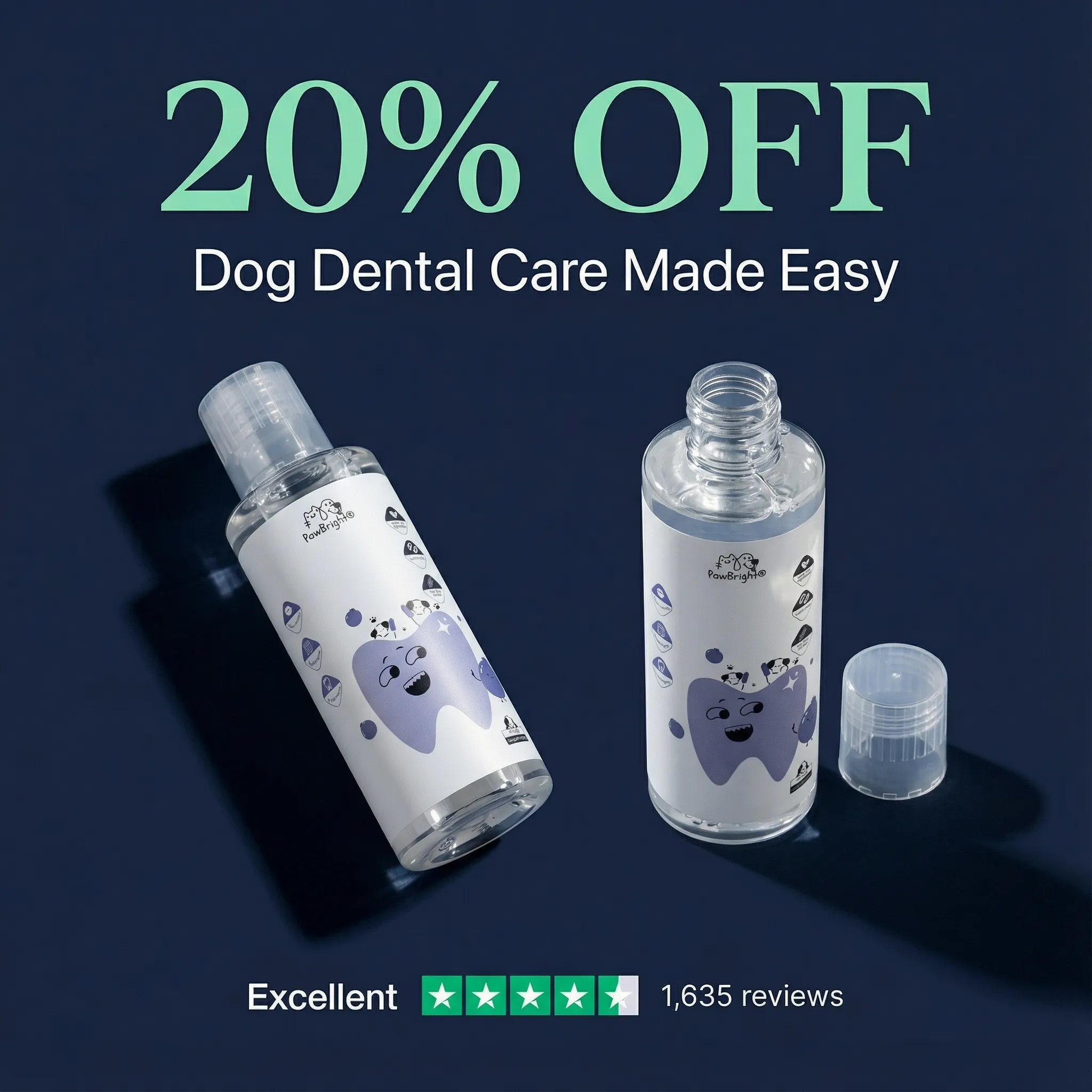
PawBright | Dog Dental Care That Actually Works
PawBright
PLEASE stop kissing your dog on the mouth.
PawBright
Hospital-Strength & Loved by doggos 👉
PawBright
Hospital-Strength & Loved by doggos 👉
PawBright
Hospital-Strength & Loved by doggos 👉
PawBright
Hospital-Strength & Loved by doggos 👉
PawBright
Hospital-Strength & Loved by doggos 👉
PawBright
Hospital-Strength & Loved by doggos 👉
PawBright
Hospital-Strength & Loved by doggos 👉
PawBright
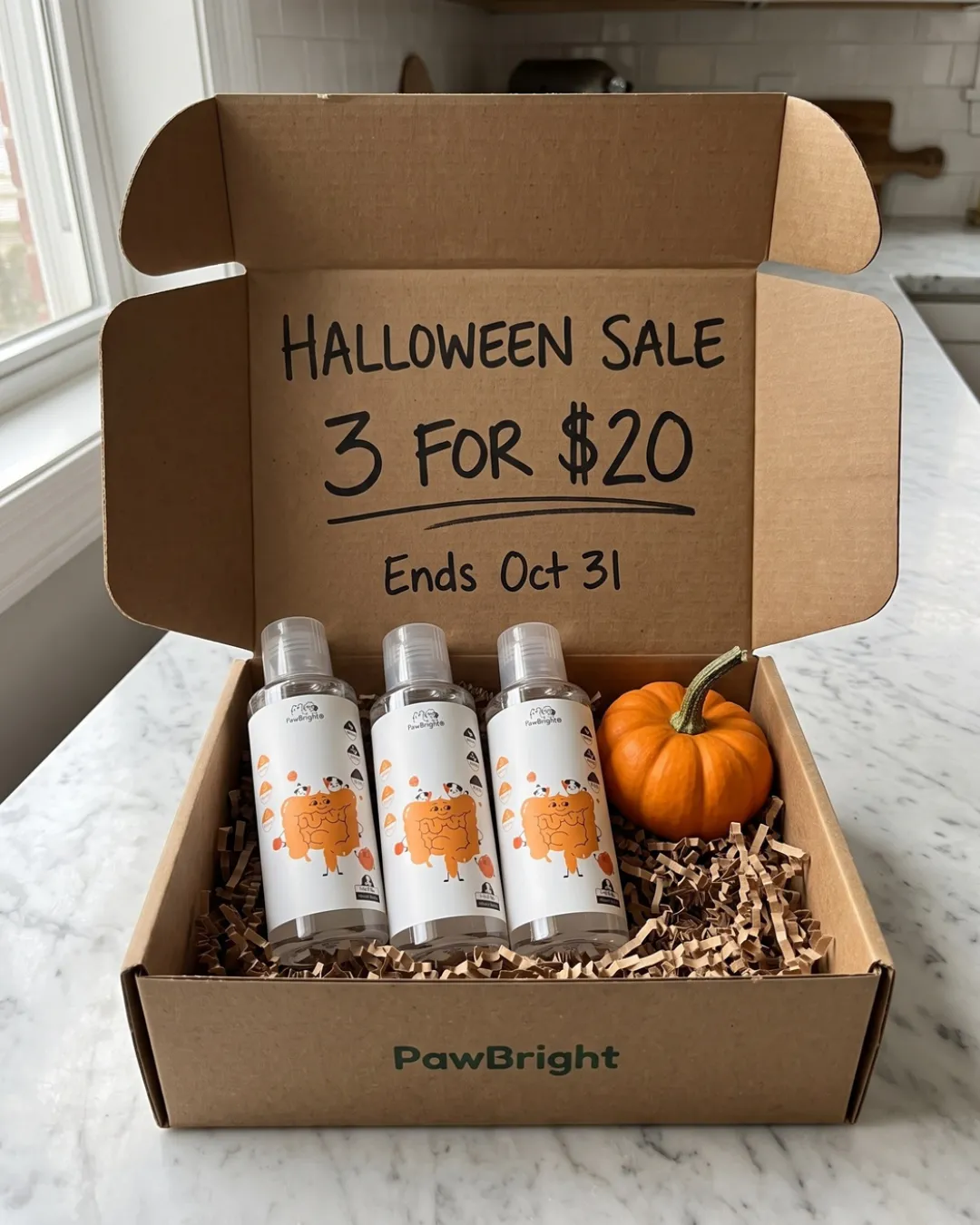
Hospital-Strength & Loved by doggos 👉
PawBright
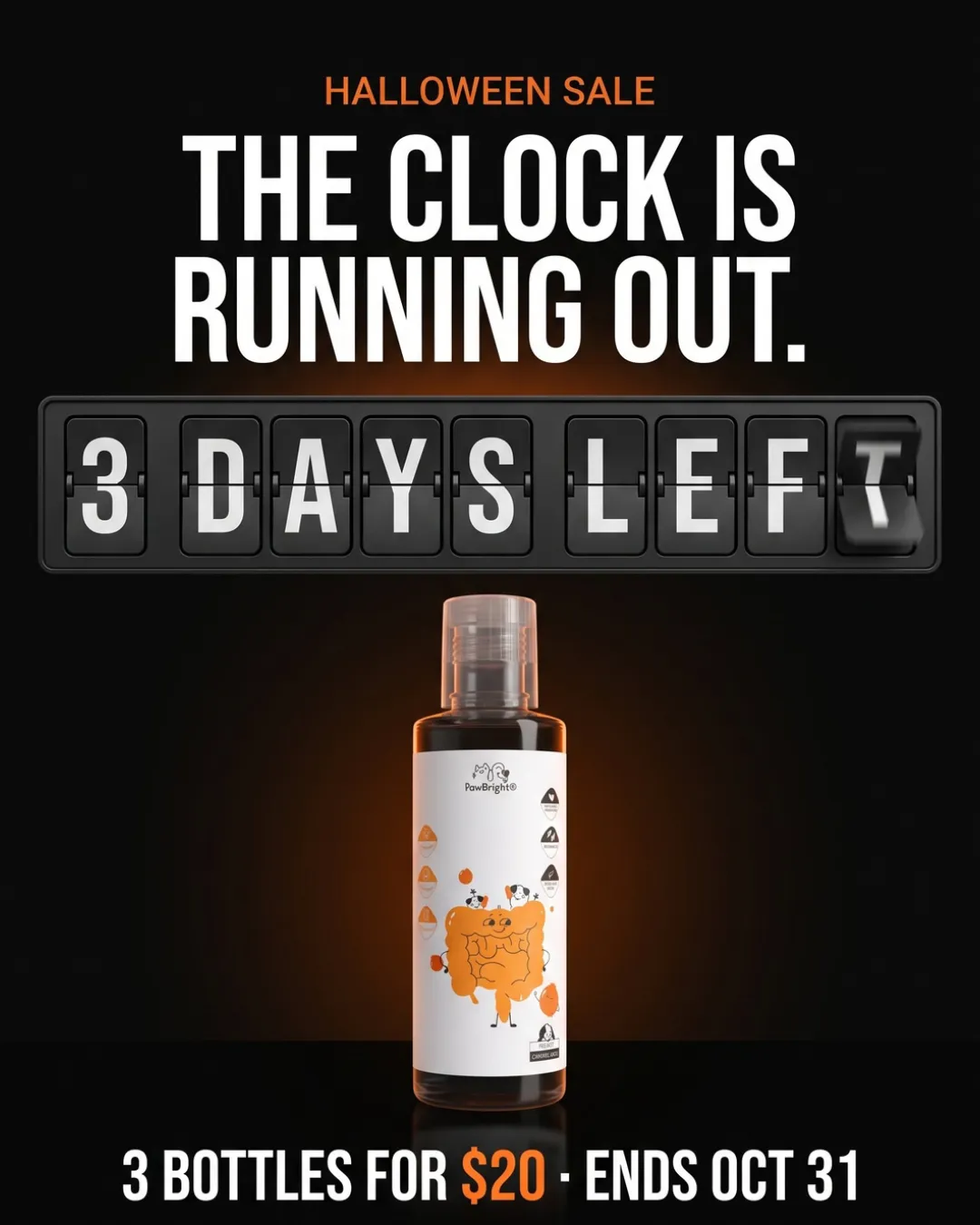
Hospital-Strength & Loved by doggos 👉
PawBright
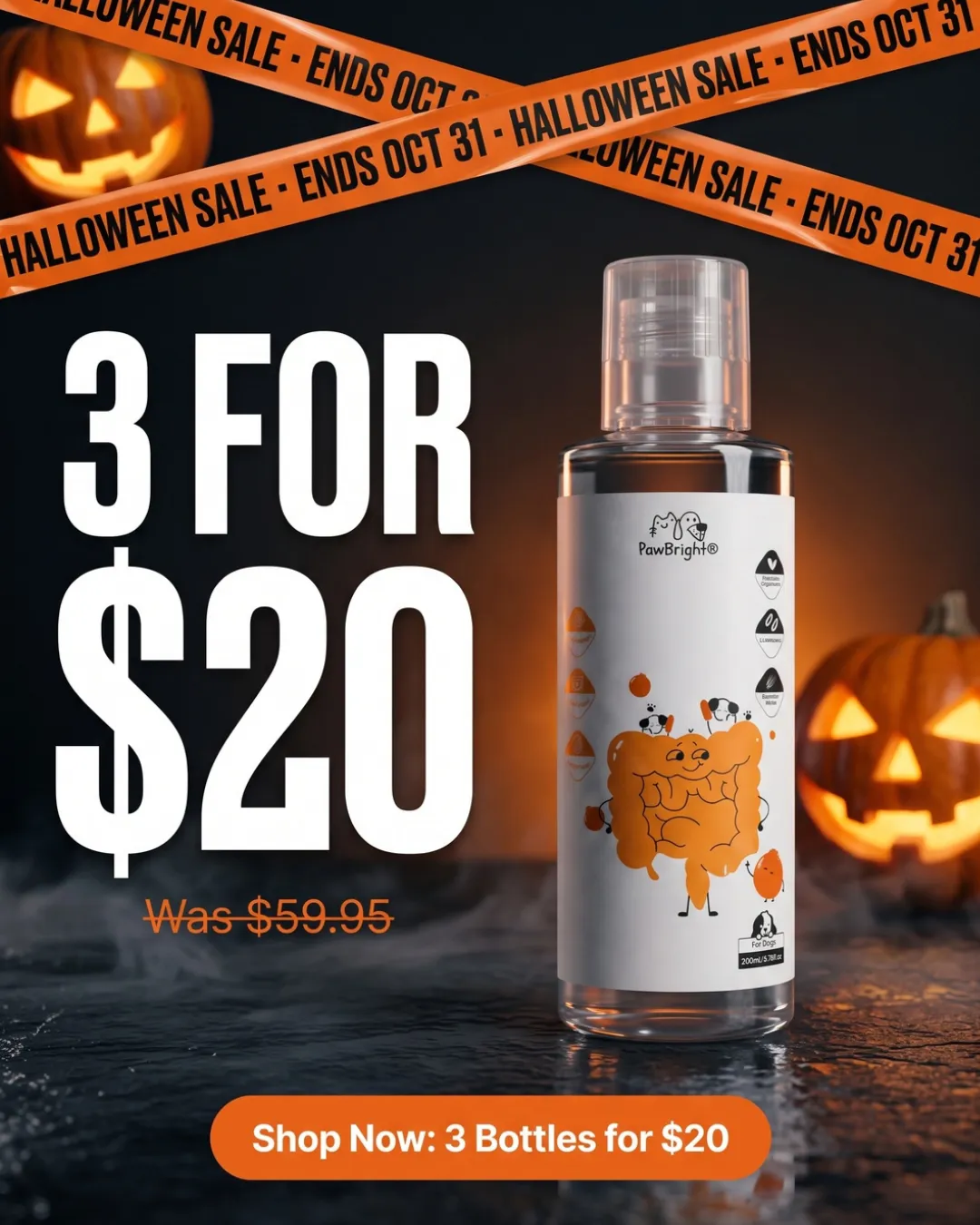
Hospital-Strength & Loved by doggos 👉
PawBright

 Add to Chrome