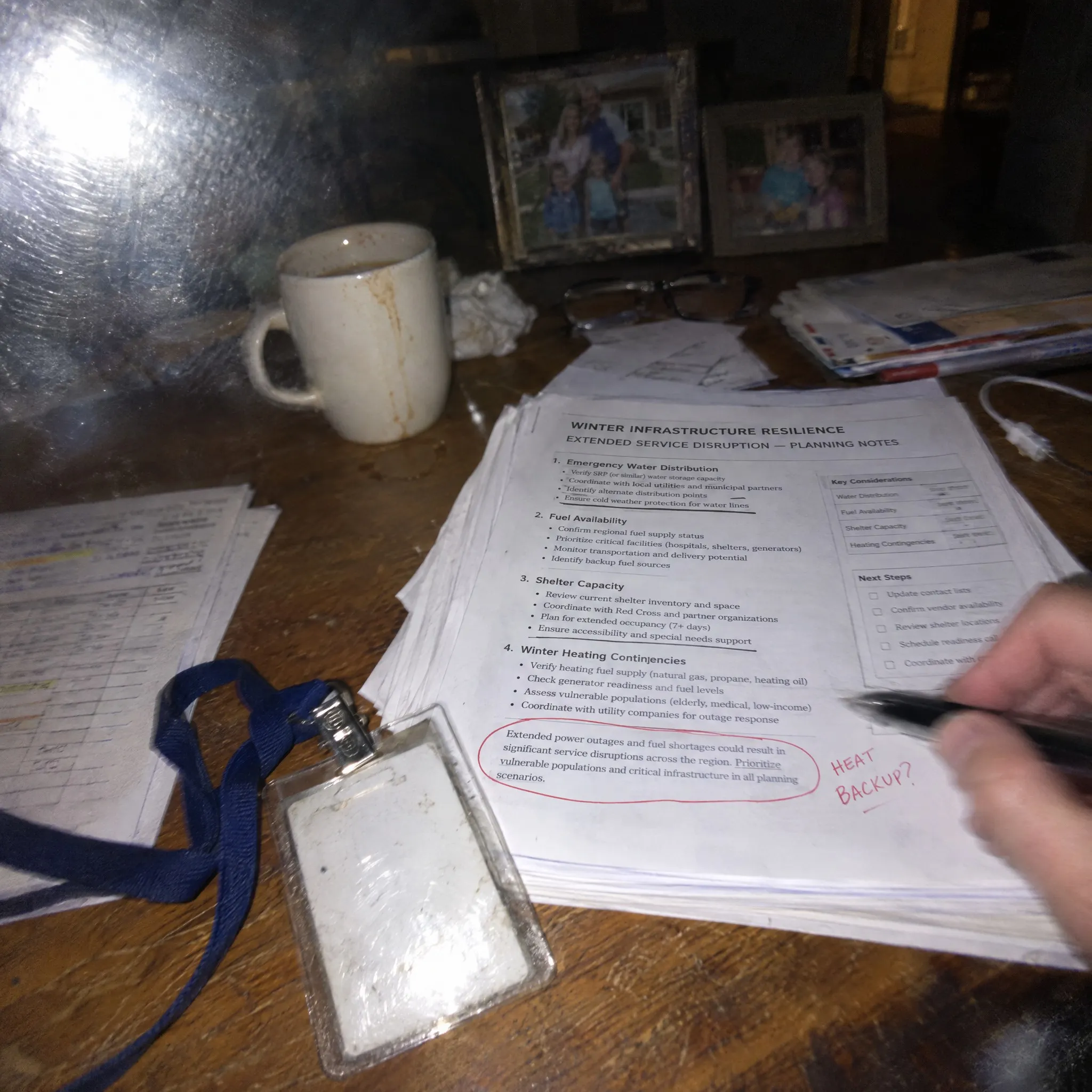
Nobody Freezes: 68% Off
Ad Copy
U.S. bases are now being prepared to last up to 90 days without outside support, and the UK just urged its citizens to start stockpiling, and I work for FEMA and I need to tell you about the one item on our emergency checklist that almost nobody owns until it's too late. I can't tell you my name or my office location… But what I can tell you is that 3 weeks ago, we had a coordination call with DHS, DOD, and the National Guard about infrastructure resilience. And the timeline they're planning for isn't 72 hours anymore. It's 90 DAYS. The UK government just told citizens to prepare for blackouts and supply disruptions… Germany's telling people to stockpile food and water… And over here, the Pentagon just finished upgrading every major base to operate independently for 3 months. That's not a coincidence. I've worked disaster response for 11 years. Hurricane Katrina, Sandy, Harvey, Helene. And I'm telling you, the agencies are moving in a way I've never seen before. Not faster. Quieter. We're not allowed to say certain things in public briefings anymore… We're not allowed to use certain timeframes… But the internal memos? They don't say 72 hours. They say extended grid failure. Prolonged service disruption. 90-day operational independence. And every single one of those memos has the same line buried in the logistics section. Hypothermia becomes the primary threat within 72 hours of winter grid loss. Let me tell you what that actually means, because I've seen it in every major cold-weather disaster I've ever worked. Your house runs on one thing: heat. And heat needs electricity or fuel. When the grid goes down in winter, your house becomes a freezer. Within 6 hours, interior temperatures start dropping. Within 24 hours, your house equalizes with the temperature outside. And that's when we issue the notice every single time: SHELTER IN PLACE WITH ALTERNATE HEAT SOURCE. Texas, February 2021. Four million people lost power. Temperatures in the teens. 246 people died. Most of them from hypothermia. In their own homes. And here's what I watched happen in every single one of those disasters. Families who did everything right still fell apart by day 3. They had the generator… But generators need fuel and fuel runs out or can't be delivered. They had propane heaters… But propane heaters need ventilation and families died from carbon monoxide trying to stay warm. They had blankets… But blankets don't stop your core temperature from dropping when you're sitting in 19-degree air for 48 hours. So they tried to improvise. Running cars in garages until the carbon monoxide got them. Burning furniture in fireplaces that hadn't been inspected in years and starting house fires. Huddling under every blanket they owned while their body temperature dropped degree by degree. By day 3, I've seen families trying to decide whether to stay in a freezing house or leave with nowhere to go. I've seen elderly people who couldn't get warm no matter what they tried. I've seen parents watching their kids shiver under six blankets knowing nothing they were doing was enough. After Texas, the after-action reports all said the same thing. The deaths clustered in the first 72 hours. Before response could reach people. In that window where they were on their own. And the cause of death was almost always the same. Hypothermia. Not because help didn't come. Because help couldn't come fast enough. And here's the part that made me break protocol and write this. 2 months ago, I was in a supply coordination meeting. We were reviewing the federal emergency stockpile. Millions of MREs. Pallets of water bottles. Generators. Medical supplies. And someone asked: "What about emergency heat for extended winter grid-down scenarios?" The answer was: "That's not a federal priority. Individuals are responsible for their own heat backup." Let me say that again. If the grid goes down for 90 days in winter, FEMA is not coming to your house with a heat solution. You're on your own. That's when I went home and ordered these for my own family. A TerraShell emergency bivouac for every person in my house. No power. No fuel. No installation. You get inside. Your body heat gets trapped and reflected back to you. That's it. I tested one in my garage in January. Turned off the heat. Let the temperature drop to 28 degrees. Got inside at 9pm. By 9:20pm I could feel warmth building. By 10pm I was comfortable. I stayed in there for three hours. Garage stayed at 28 degrees the whole time. I stayed warm the whole time. I ordered four more. One for each car. One for my daughter. One for my son. And then I started telling people. Other FEMA coordinators. Emergency managers. First responders. The ones who'd seen the same thing I'd seen in Texas. Most of them bought one. Because we all know the same thing. The grid is fragile. And when it fails in winter, you have 72 hours before cold becomes the primary threat. Not on day four. On day one. Here's what I need you to understand. I can't tell you what the agencies know. I can't tell you why the timeline changed from 72 hours to 90 days. I can't tell you why the UK and Germany are suddenly telling citizens to stockpile. But I can tell you this… The federal stockpile doesn't include emergency heat. The disaster response plan assumes you'll figure it out on your own. And every single FEMA coordinator I know who's worked a real extended winter outage has these in their own home now. Not because we're panicking. Because we've seen what happens to families who have everything except this. You've got power right now. The heat's running. Your house is warm. Order this tonight, while it still is. Because when the grid goes down in winter, we're not coming to your house with a heat plan. You'll be on your own. I've put the link below.
More from TerraShell by QuietProtector

Black Friday Sale Is Live
TerraShell by QuietProtector
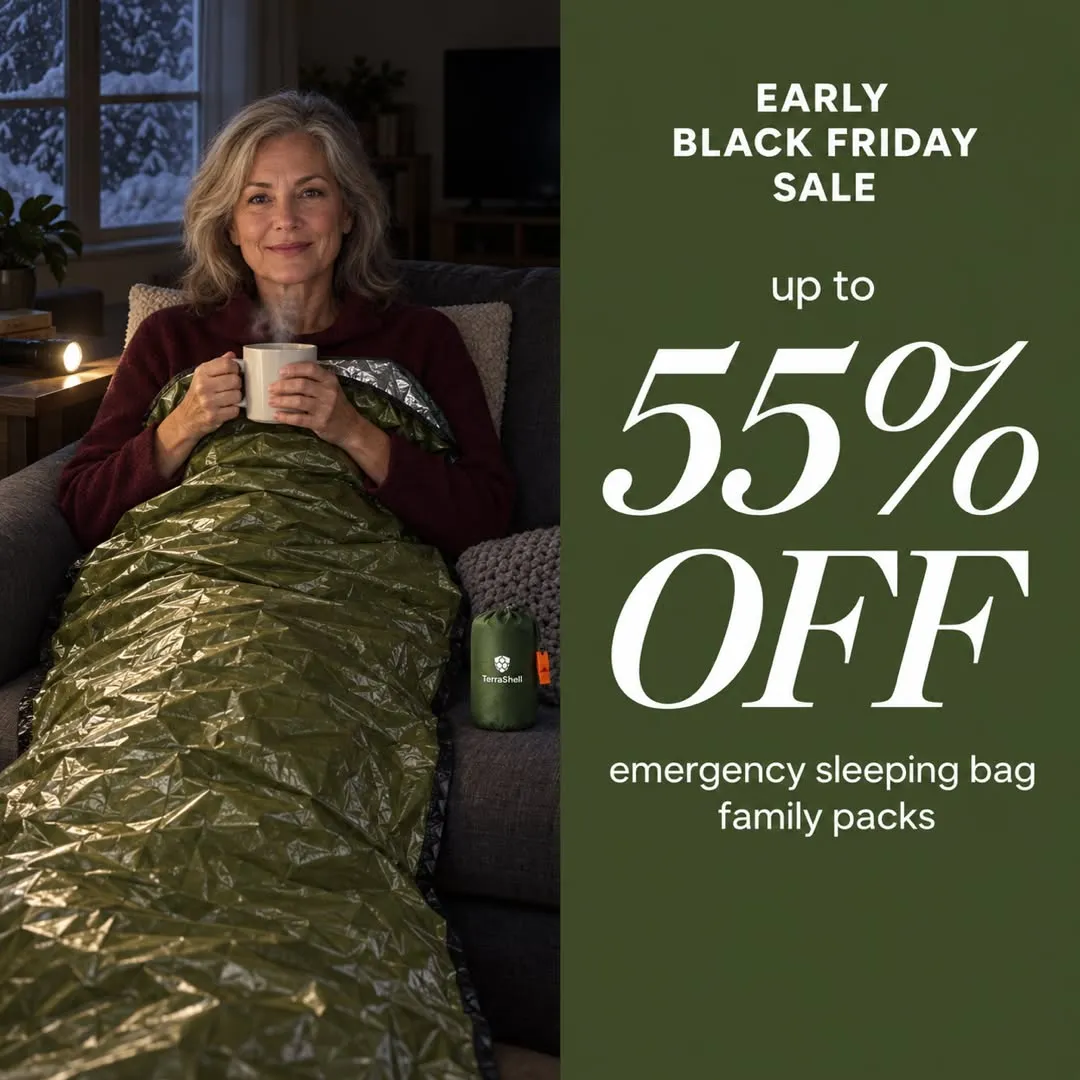
Stay warm with no power
TerraShell by QuietProtector
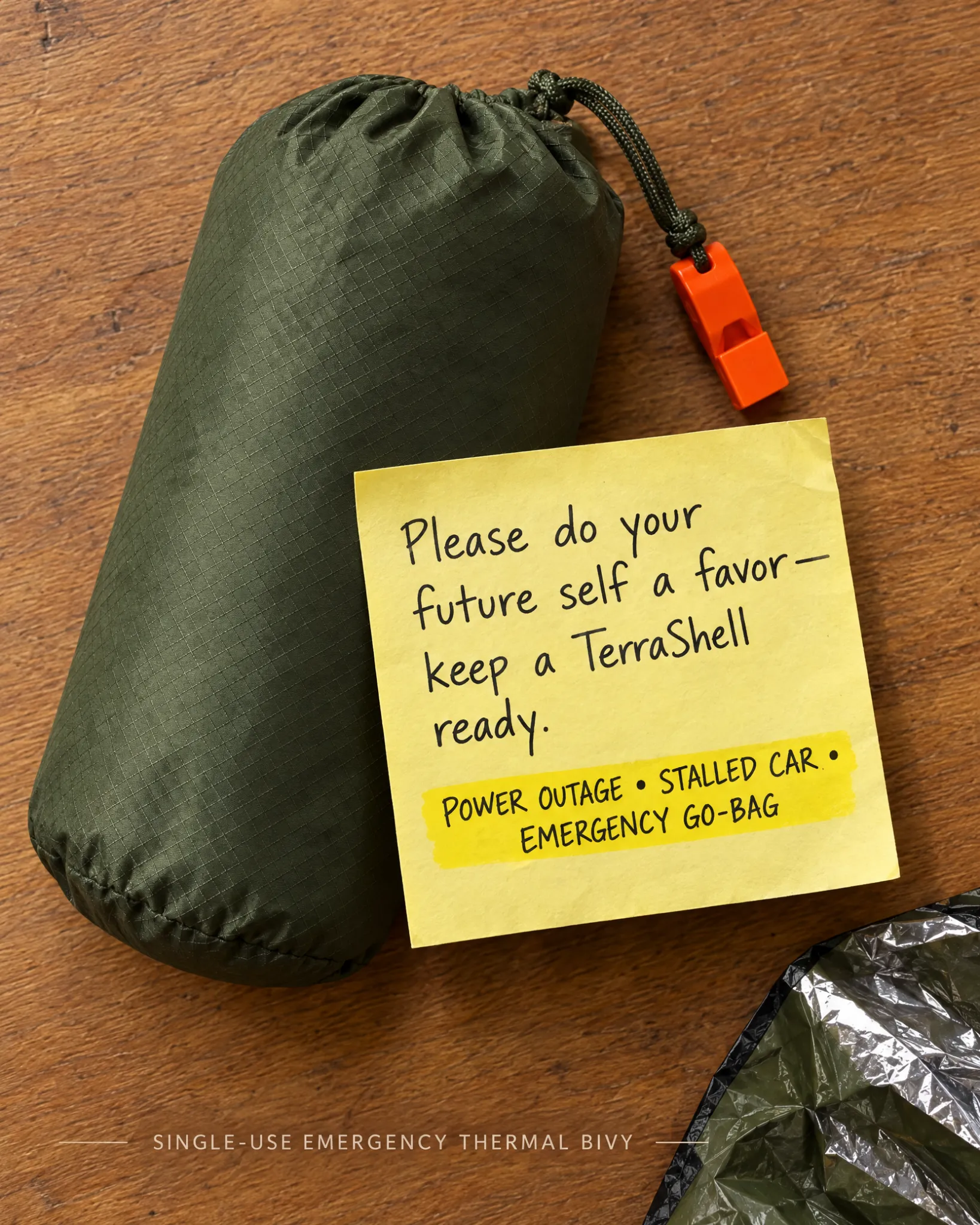
Black Friday Sale Is Live
TerraShell by QuietProtector
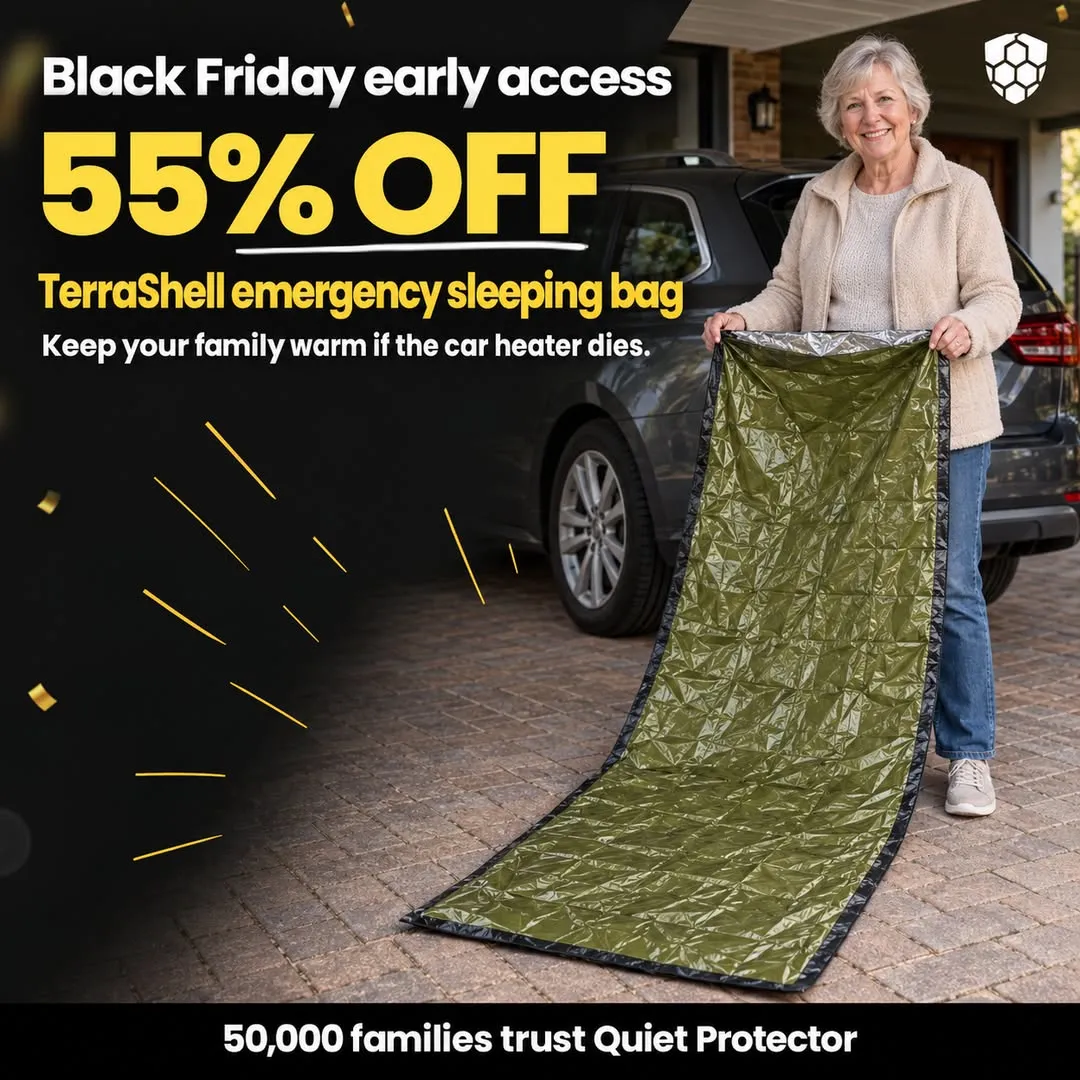
Keep Your Family Warm
TerraShell by QuietProtector
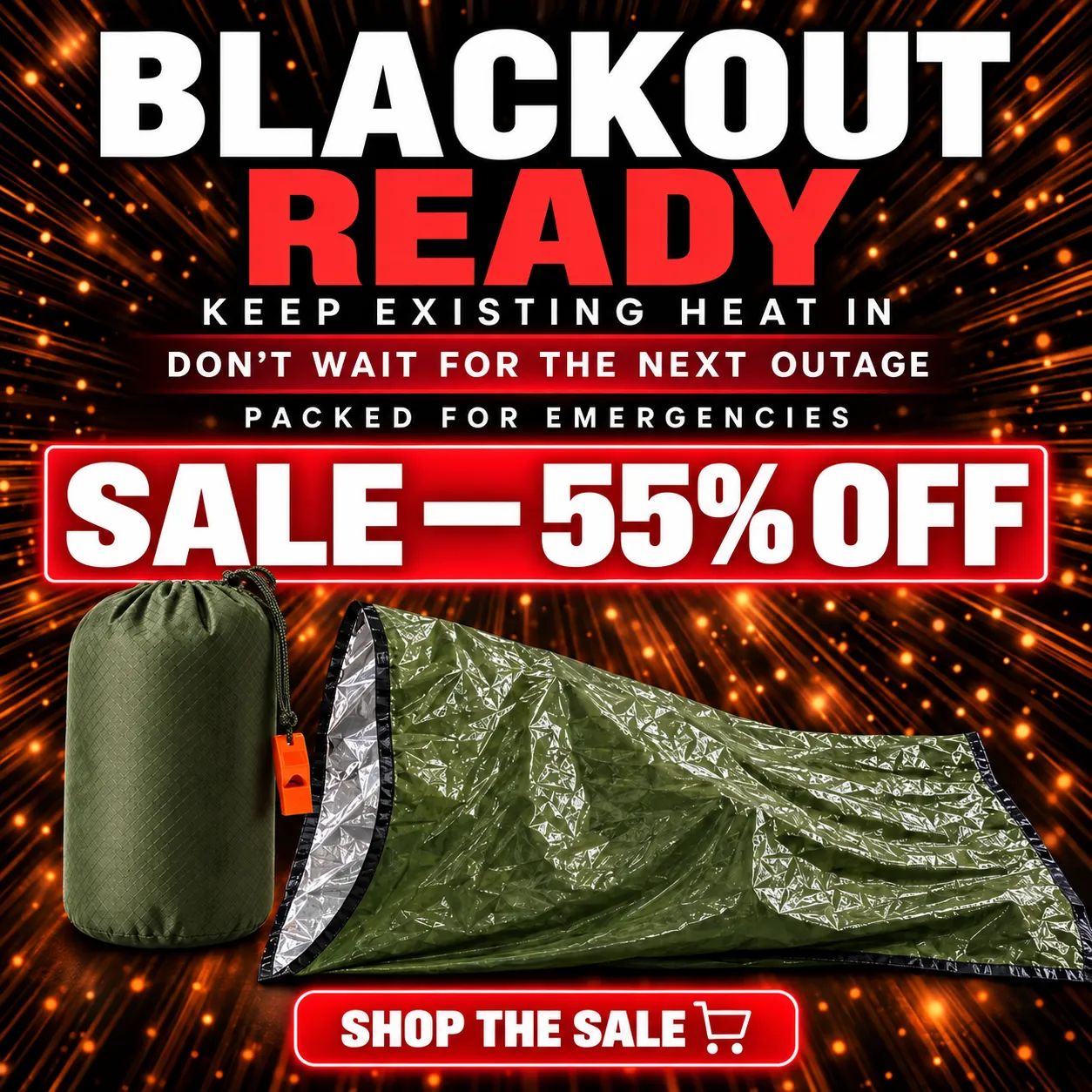
Black Friday Sale Is Live
TerraShell by QuietProtector
Why blankets won't save you this winter
TerraShell by QuietProtector
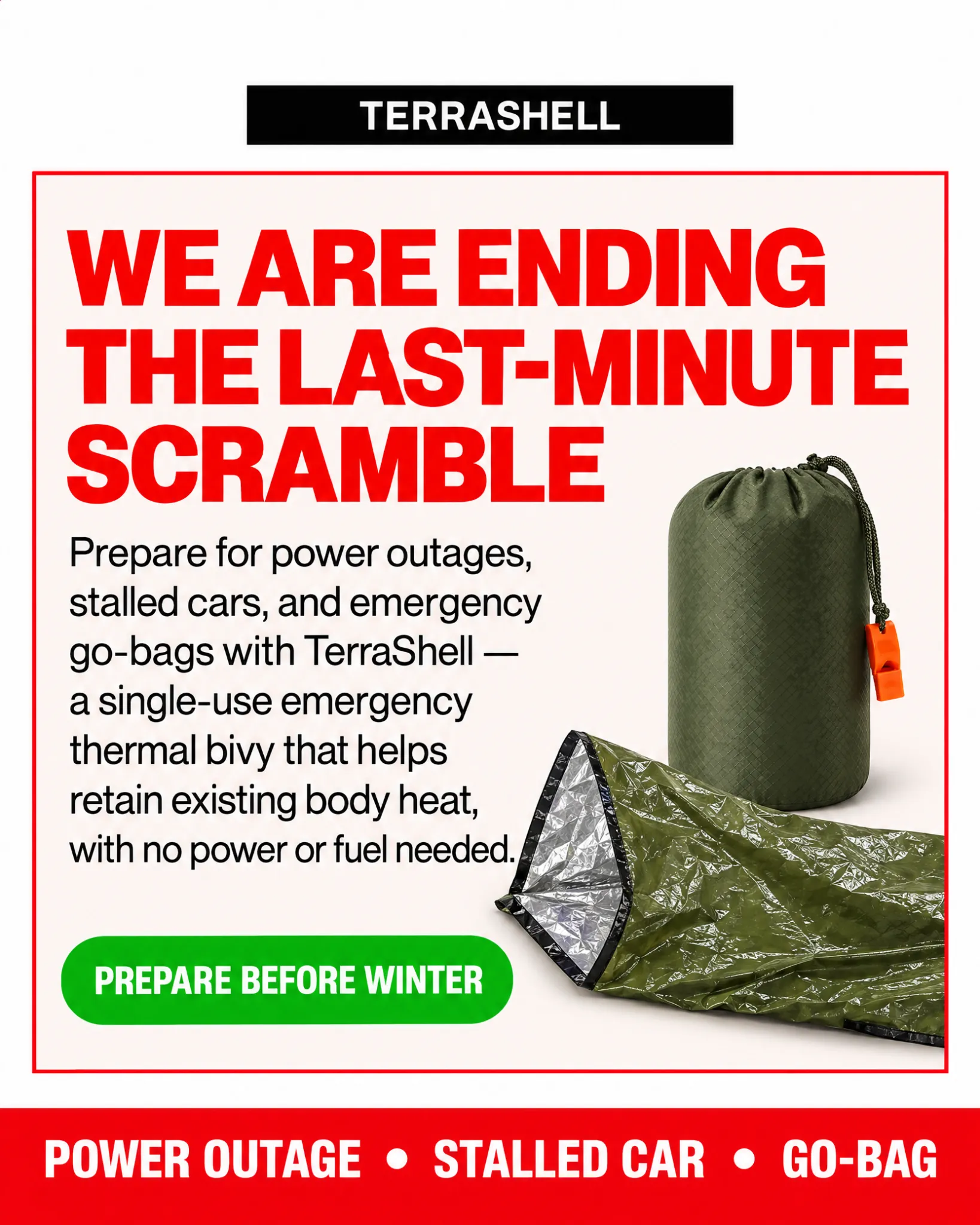
Black Friday Sale Is Live
TerraShell by QuietProtector
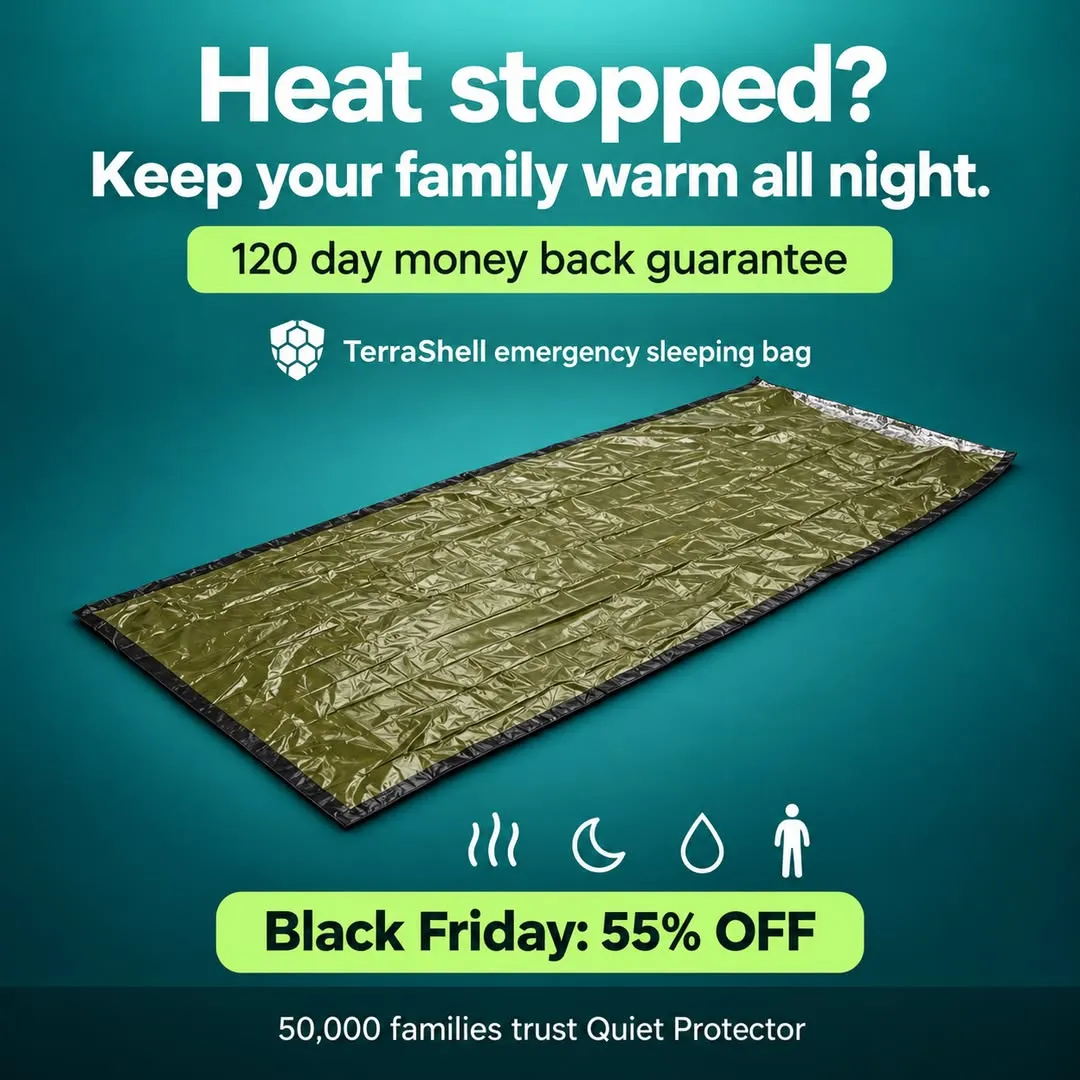
Keep Your Family Warm
TerraShell by QuietProtector
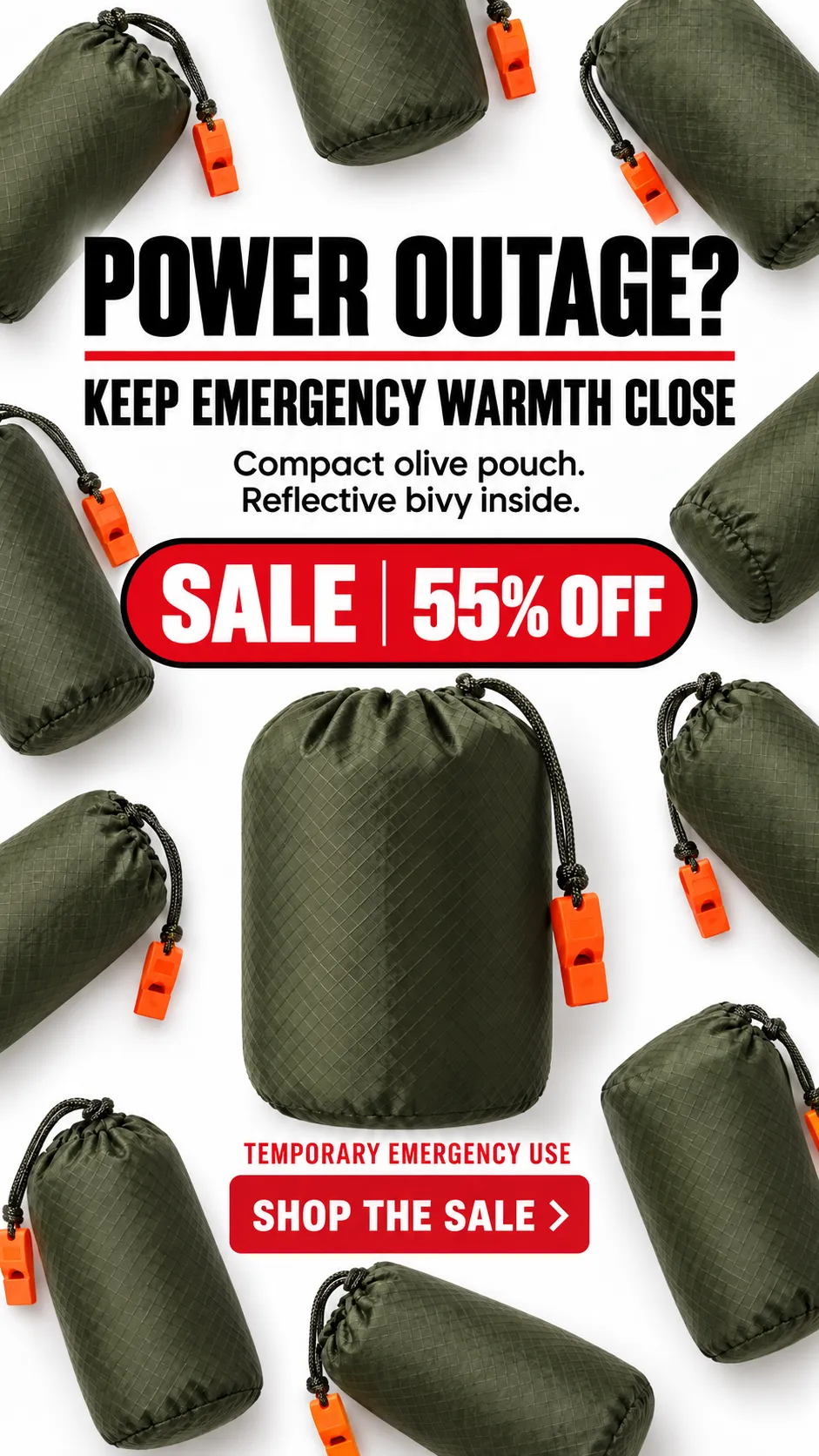
Black Friday Sale Is Live
TerraShell by QuietProtector
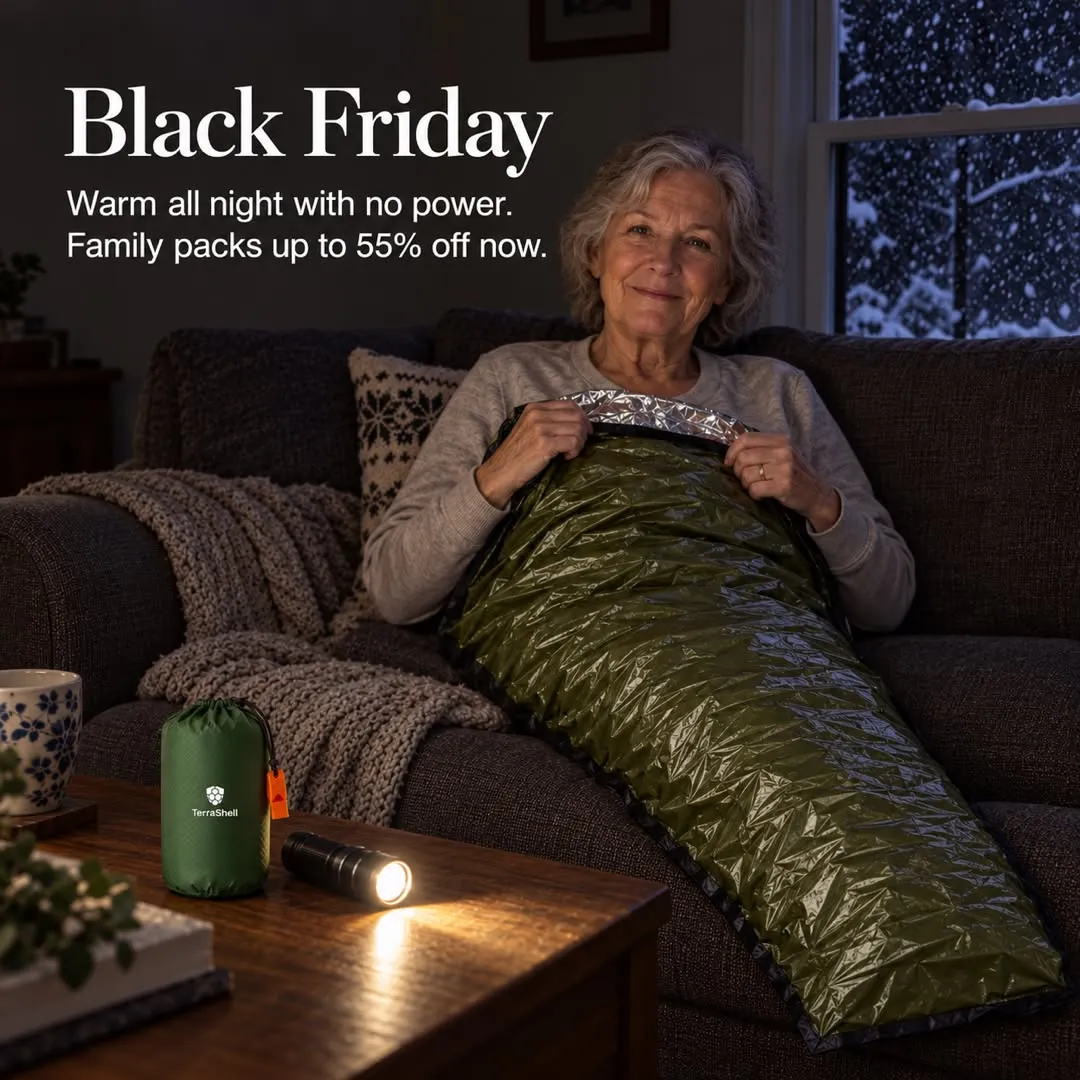
Warm through the outage
TerraShell by QuietProtector
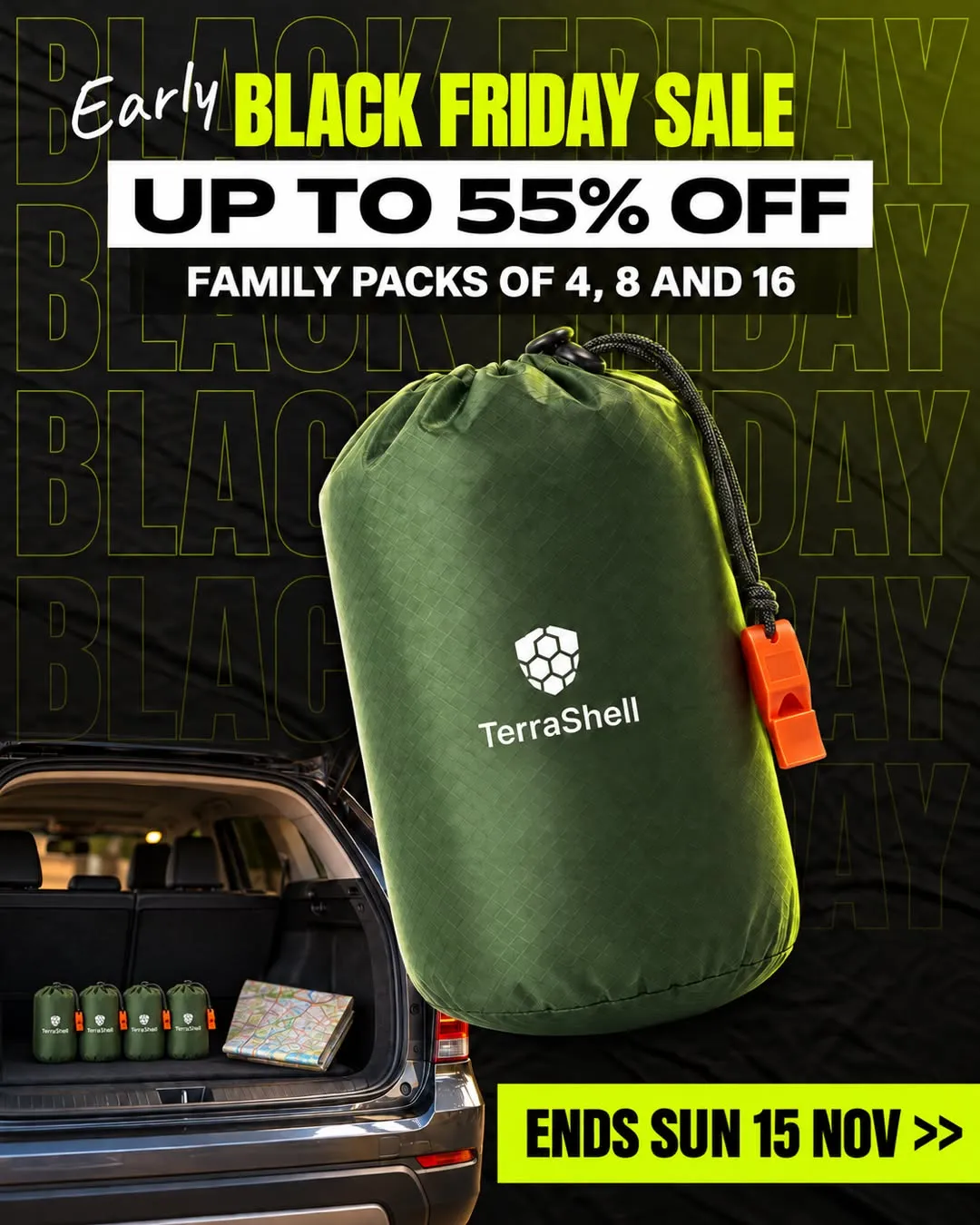
Warm when the power's out
TerraShell by QuietProtector
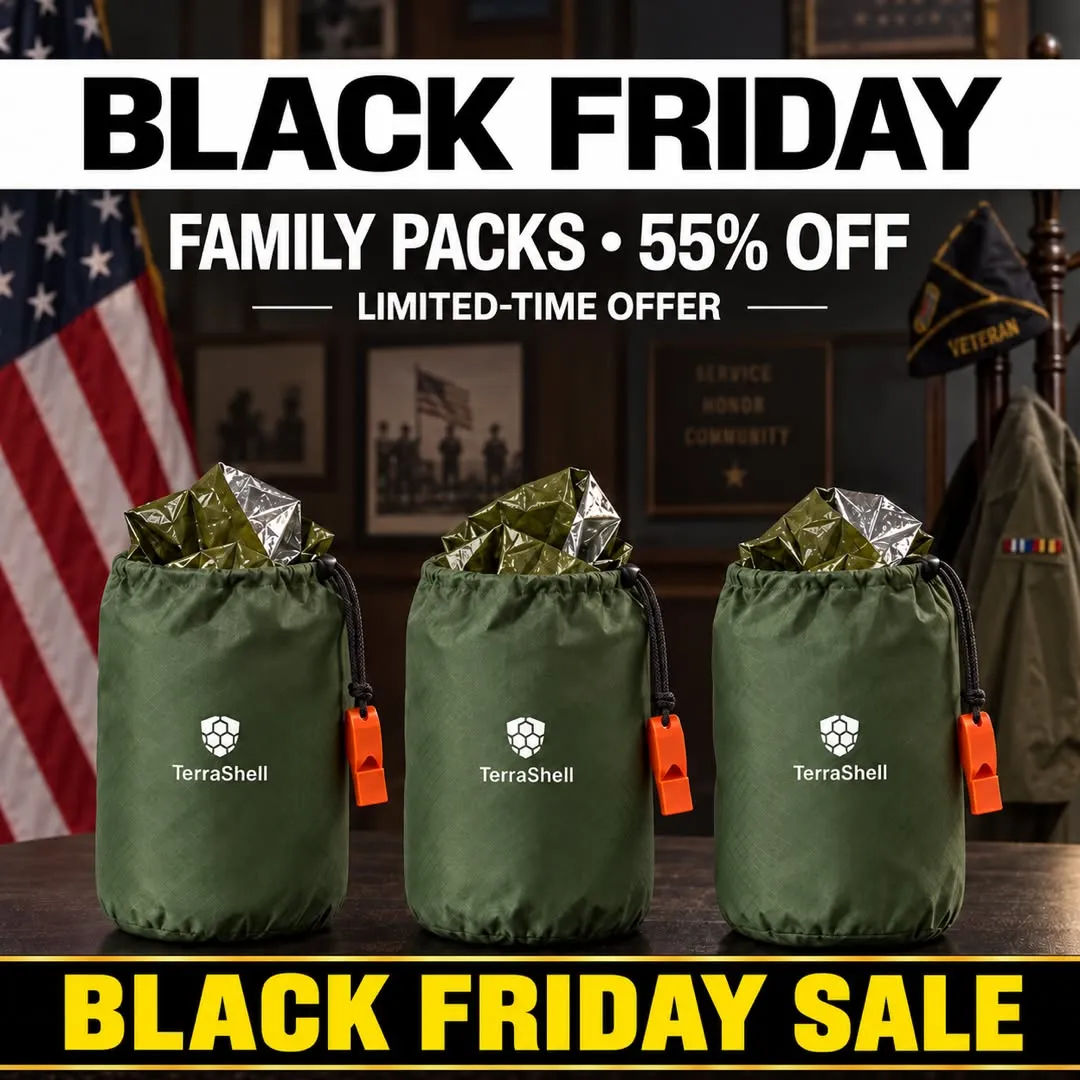
Black Friday Sale Is Live
TerraShell by QuietProtector

 Add to Chrome