
Not beginners. Guys five years in.
Ad Copy
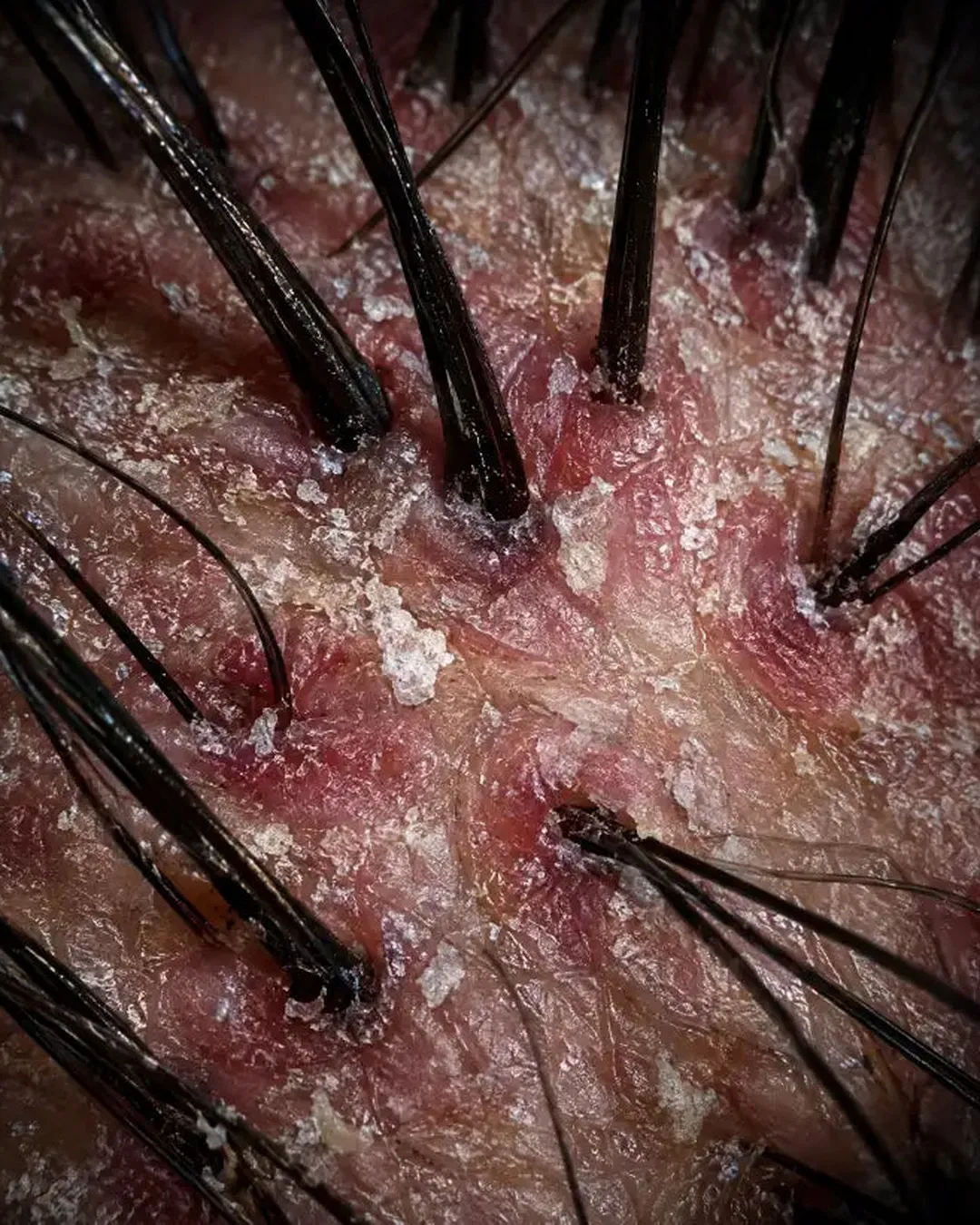
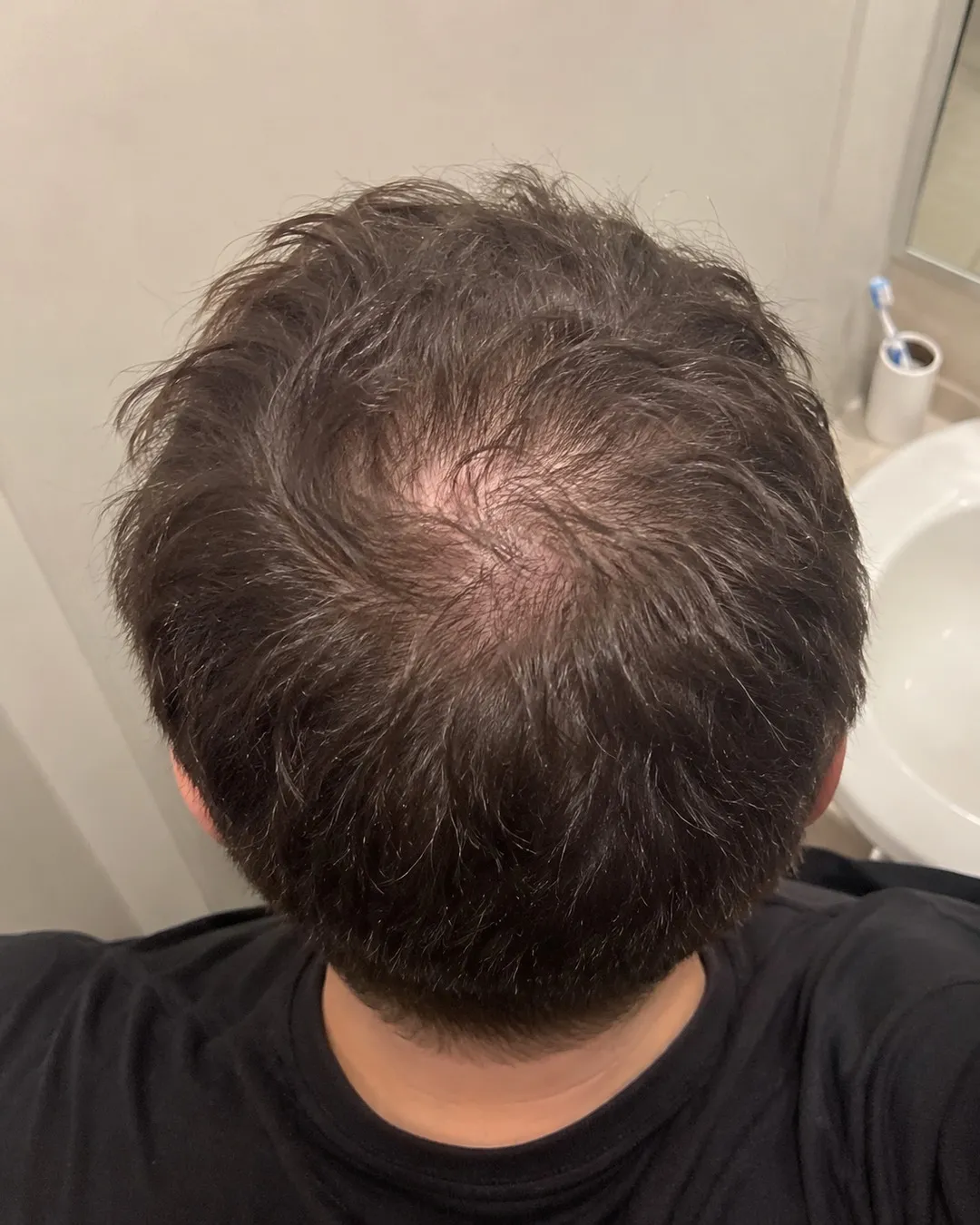
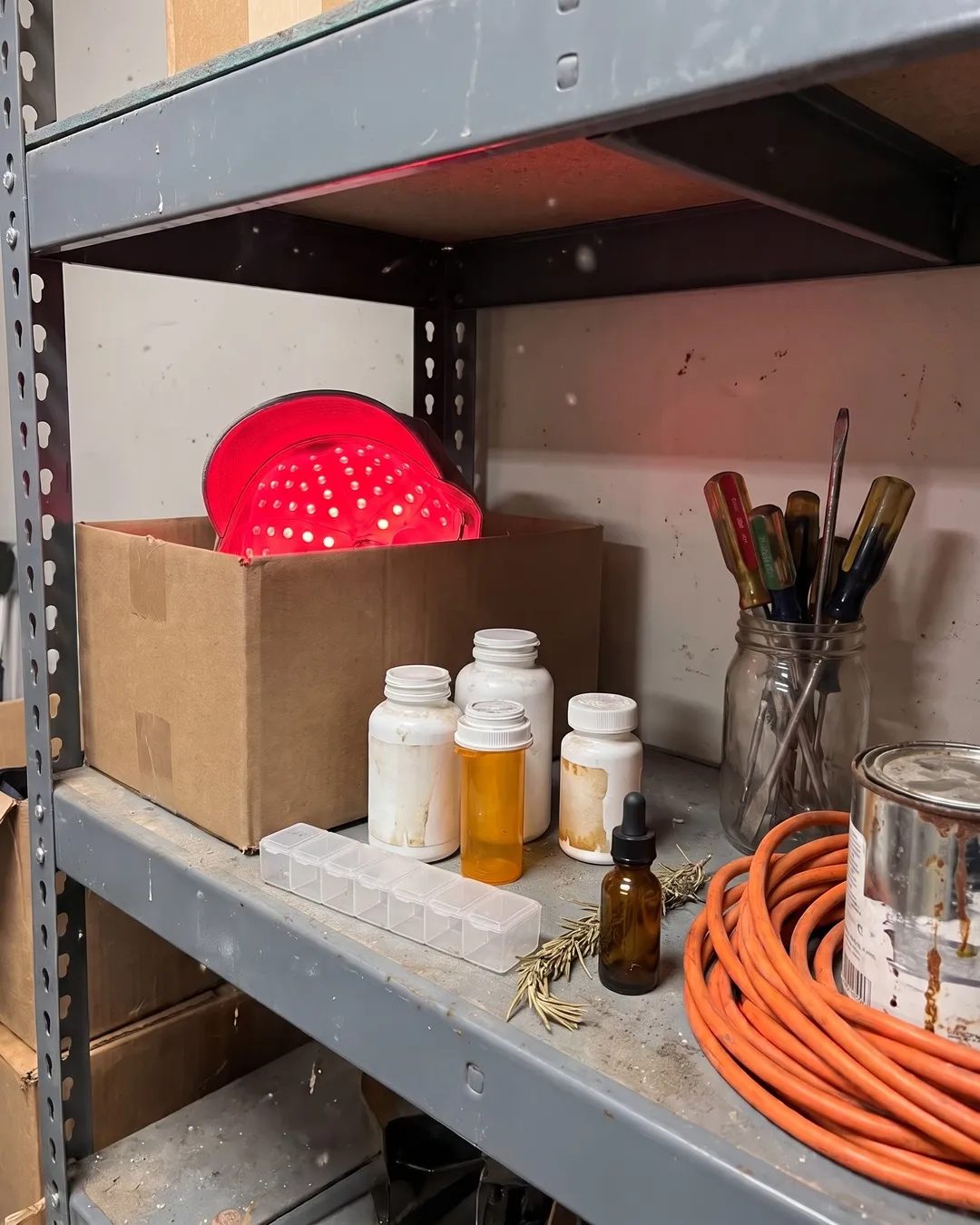
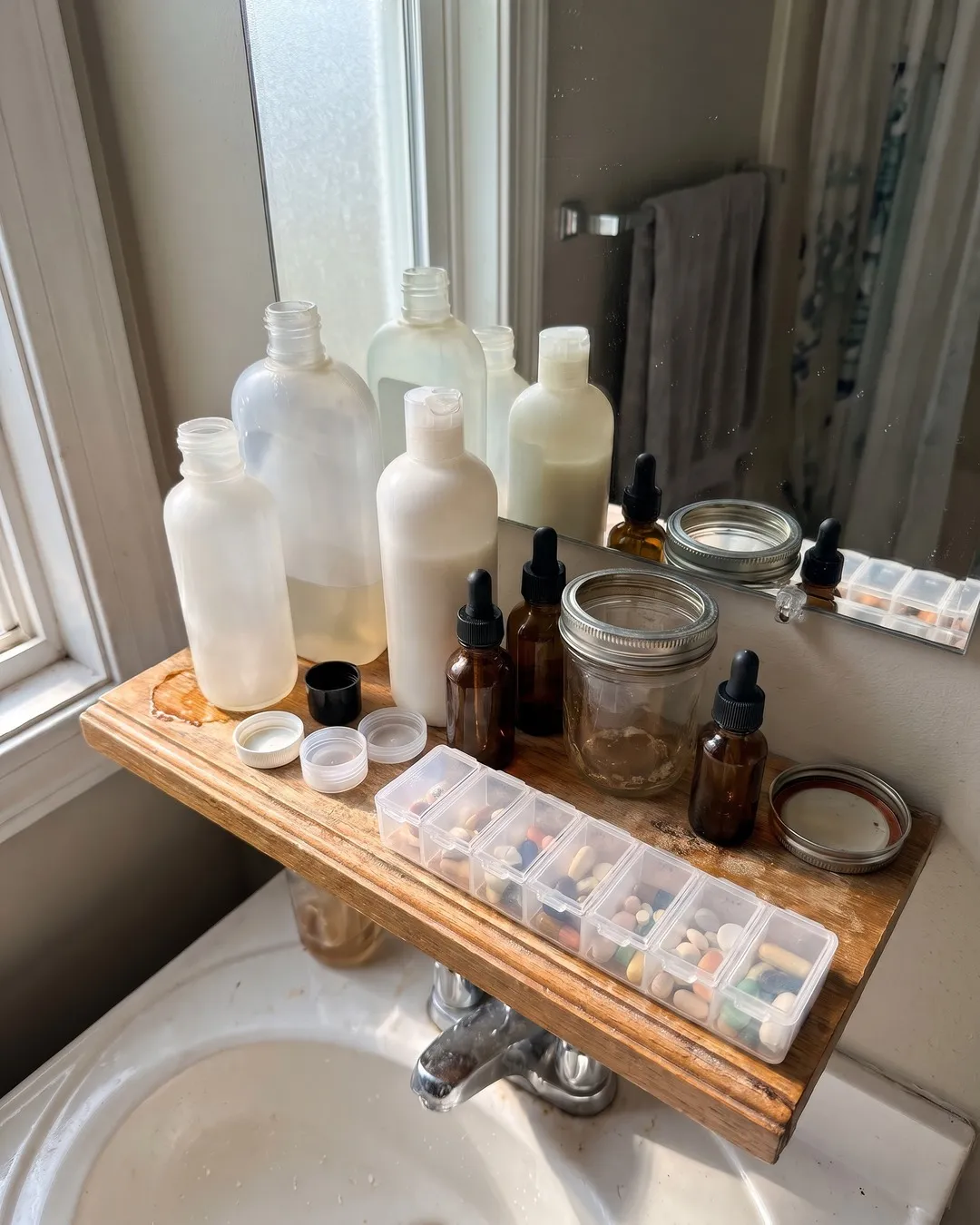
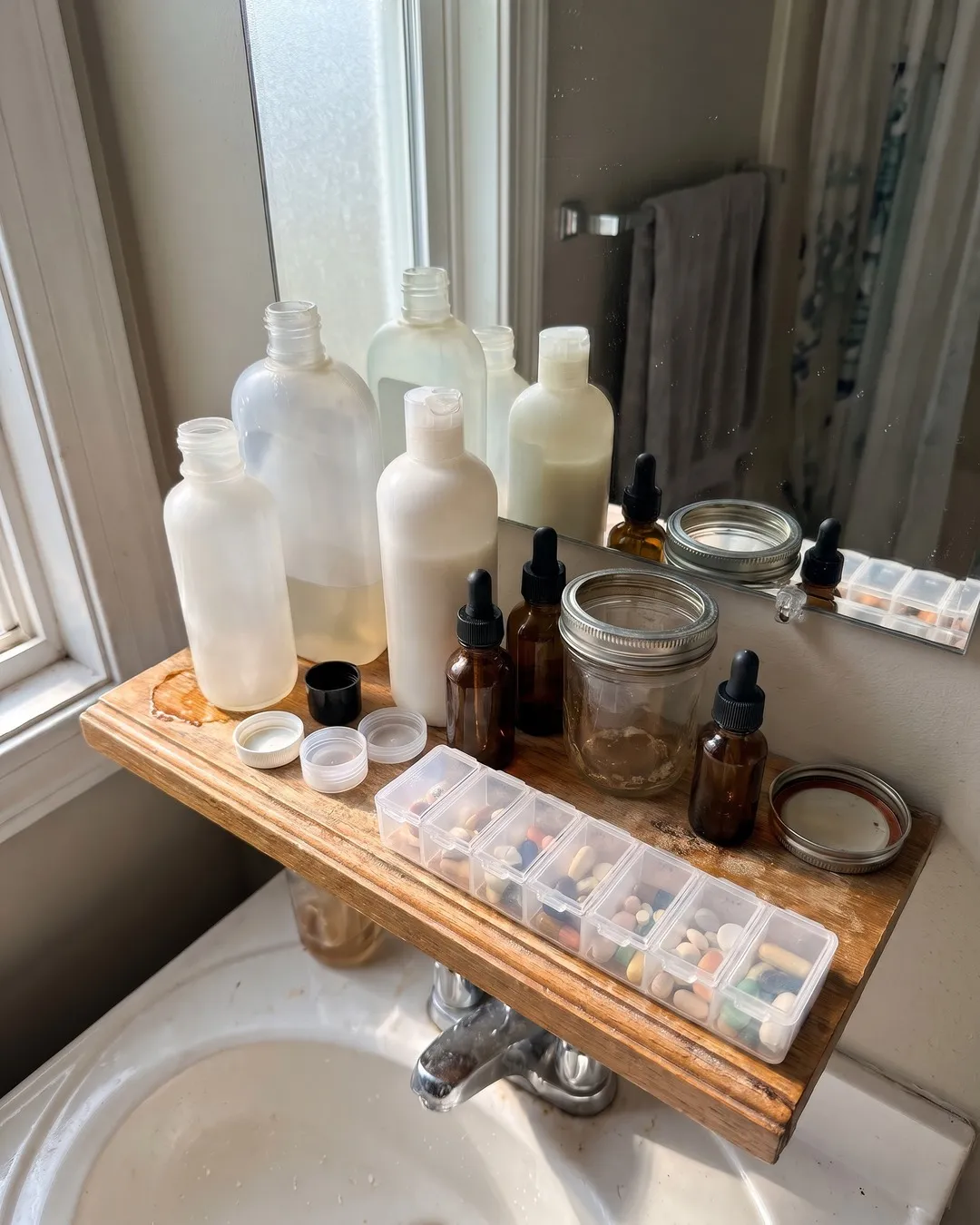
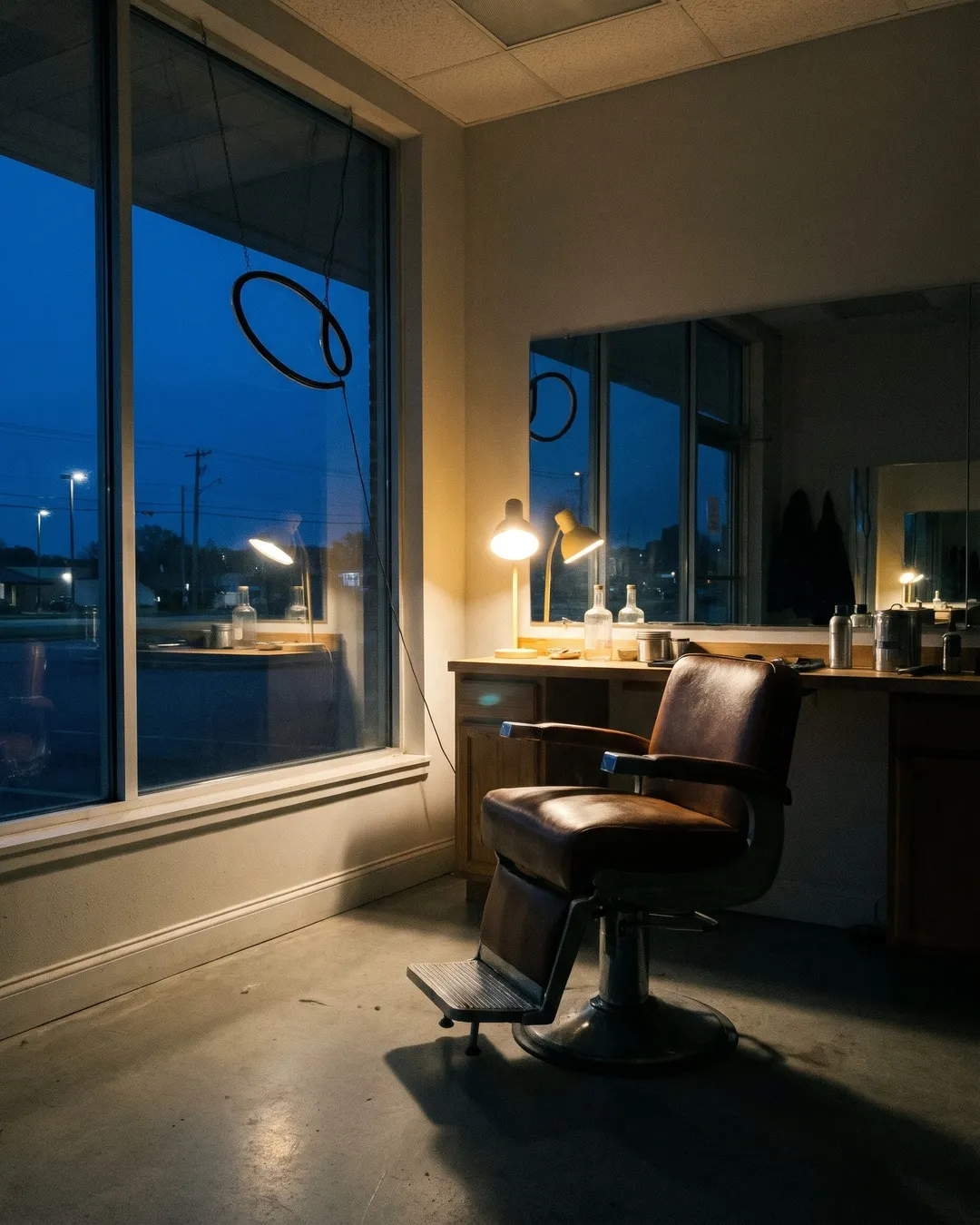
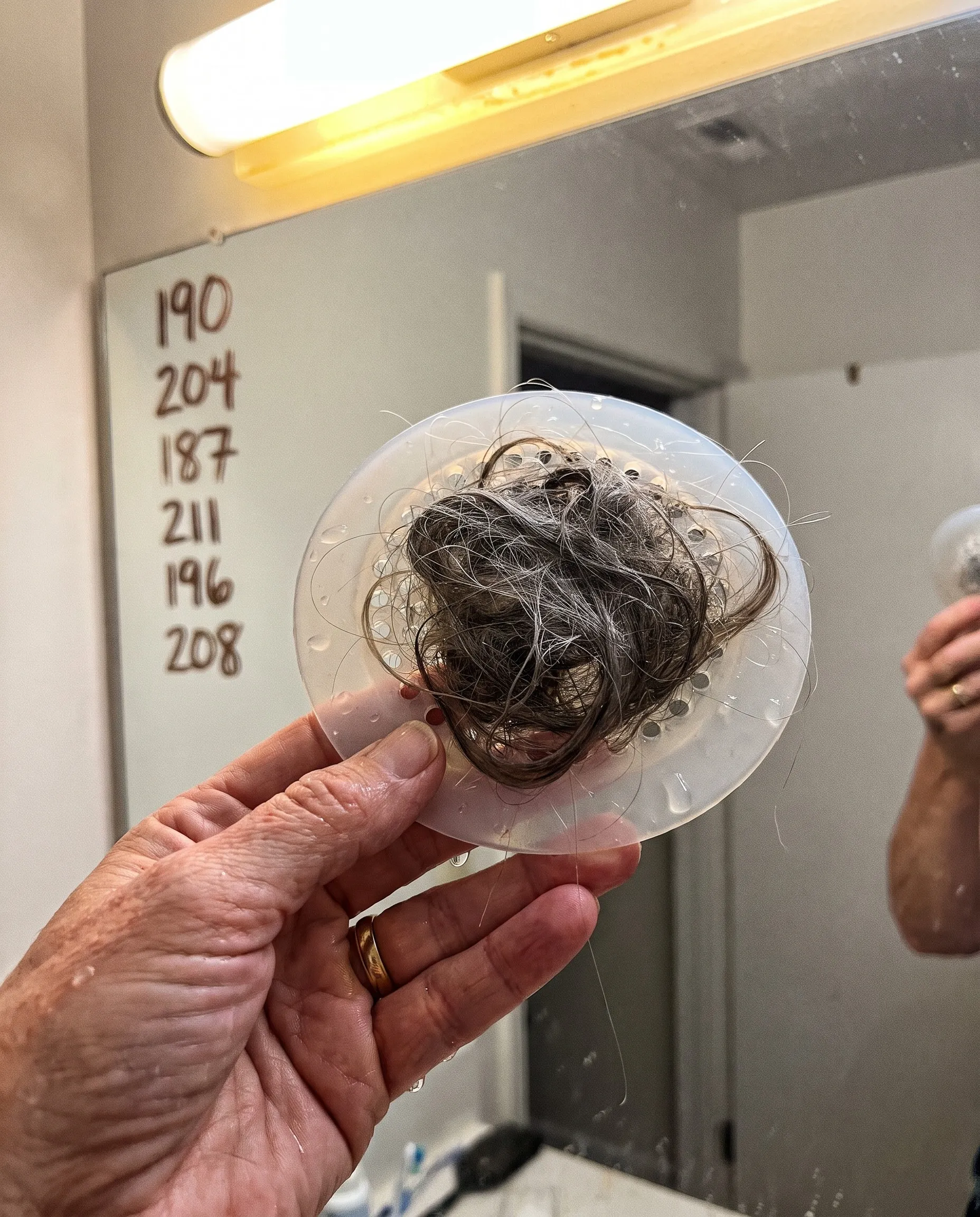
Five years on the DHT one. Then my barber held the mirror up behind me and said, "That's not just thin back there, man. That's red." I'm Mike. I'm 51 and I've been a quality inspector at a food plant in Ogden for 22 years. My whole job is reading labels and asking one question: does what's in the package match what's printed on it? So you'd think I'd have asked that question about my own hair a lot sooner. Here's where I was. Five years on the DHT one, every morning. Four years on the foam, most nights. I'd tried the rosemary oil, the pumpkin seed, the biotin, the shampoo that tingles. I had a shelf. My wife called it the graveyard. And the crown kept going. Slower than before, maybe. But going. Then my barber, Tony, who has cut my hair since my kids were in diapers, held the hand mirror behind me and tilted it so I could see. "It's not just thin back there," he said. "Look at the color. It's red. It's like that every time you come in." I'd never noticed. You don't look at the top of your own head in good light. Why would you. Tony said it the way he'd tell you a tire's low. No drama. But I sat in the truck in his lot for ten minutes afterward with the visor mirror down, trying to see what he saw. You can't. The one part of you you're most worried about is the one part you can't actually look at. I went home and couldn't let it go. Because "red" is a word I know from work. At the plant, red means something's reacting. So at 2 a.m., still awake, I did what I do. I went looking for the actual research. The first paper stopped me. 2026. Dermatologists biopsied 129 people with pattern hair loss, which for decades has been called a "non-inflammatory" condition. 81 percent of them had chronic inflammation around the follicle, plus fibrous tissue wrapped around it, a lot like scar tissue. And it was most common in the ones who had already responded poorly to treatment. Not beginners. Guys five years in. I read that line and looked over at the graveyard shelf. The second paper was older, 1993, and it was about the same twice-a-day foam I'd been using. Men with calm scalps responded 77 percent of the time. Men with inflamed scalps, 55. Same foam. Different ground. The third was a 2008 biopsy study that compared the thinning crown with the back of the same men's heads. The crown had more collagen packed around the follicles. Same man, two different patches of scalp. It clicked the way a failed batch clicks at work. You can have perfect ingredients going in. If the line itself is contaminated, the product still comes out wrong. Neither of the things I'd been using for five years was ever aimed at the environment. The pill lowers a hormone. The foam pushes blood flow. Good at their jobs. Nobody had pointed anything at the inflammation. So what does? The name that kept coming up was GHK-Cu, a copper peptide. Your body makes it on its own, it's in your blood, and you make less every year. In the research it shows up as an anti-inflammatory and as a remodeling peptide, which means it works on the tissue around the follicle, not only the inflammation. Here's where 22 years of reading labels paid off. I started pulling up copper peptide serums, and most of them failed my inspection before I got past the front of the bottle. No concentration printed. They tell you GHK-Cu is in there. They don't tell you how much. At the plant, a label that won't state the amount gets the batch pulled. No third-party testing. Nothing showing anyone outside the company checked what's actually in the bottle. Built for women's faces. Half of them were face serums with a man on the box. The one that passed was Restore. It's made for men's scalps. 0.5 percent GHK-Cu, printed on the label. Third-party tested. Made in the USA. That's the whole reason I bought it: it said what it was, and somebody outside checked. I kept my stack. I want to be clear about that. Pill in the morning, foam at night, and now a dropper of Restore on the crown before bed. I'm not anti-medication. If your routine is working, keep it. I'm not going to give you a before-and-after. I don't trust those either. I'll tell you what I can tell you. Seven weeks in I sat down in Tony's chair. He tilted the mirror like always, then stopped and tilted it again. "Huh," he said. "Not as red." That's it. That's the whole testimonial. From a guy who has seen the top of my head every three weeks for twenty years. The graveyard shelf is smaller now. I threw out everything that never printed what was in it. My wife noticed before I said a word. Not the hair. The fact that I'd stopped wearing the cap to the hardware store. If you're five years in and doing everything right, ask your barber to show you the top of your head in good light. Then read the papers. Then check the label on whatever you're putting up there. P.S. They give you 150 days. If it doesn't pass your own inspection, you get your money back. Link below.
More from Root Cause
They biopsied guys five years in.
Root Cause
They biopsied guys five years in.
Root Cause
They biopsied guys five years in.
Root Cause
They biopsied guys five years in.
Root Cause
Not beginners. Guys five years in.
Root Cause

Not beginners. Guys five years in.
Root Cause
Not beginners. Guys five years in.
Root Cause

"Guys who did everything. And the top's still on fire."
Root Cause

"Guys who did everything. And the top's still on fire."
Root Cause
"Guys who did everything. And the top's still on fire."
Root Cause

"Guys who did everything. And the top's still on fire."
Root Cause
The numbers on my mirror.
Root Cause

 Add to Chrome