Before You Buy Another Loofah
Ad Copy
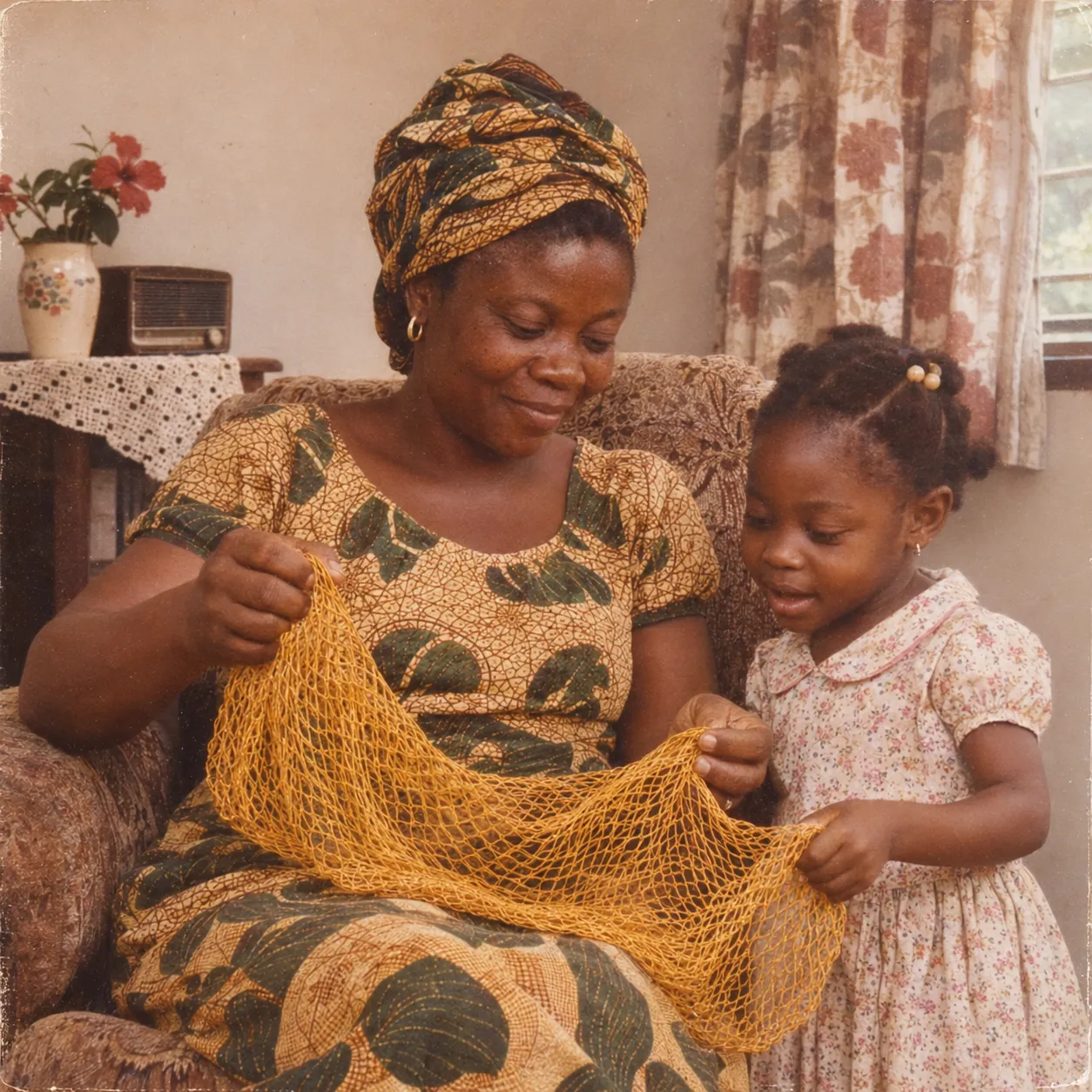
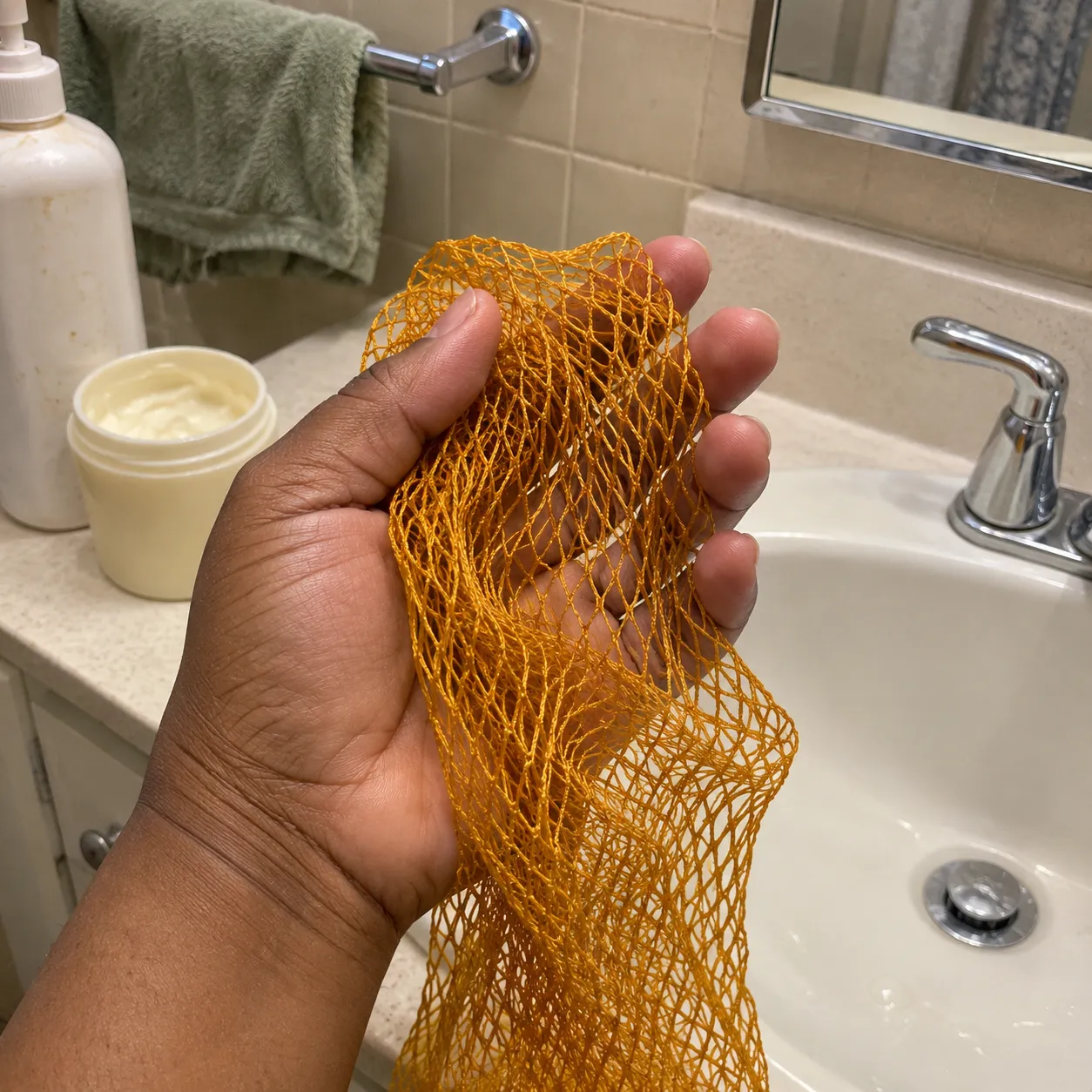
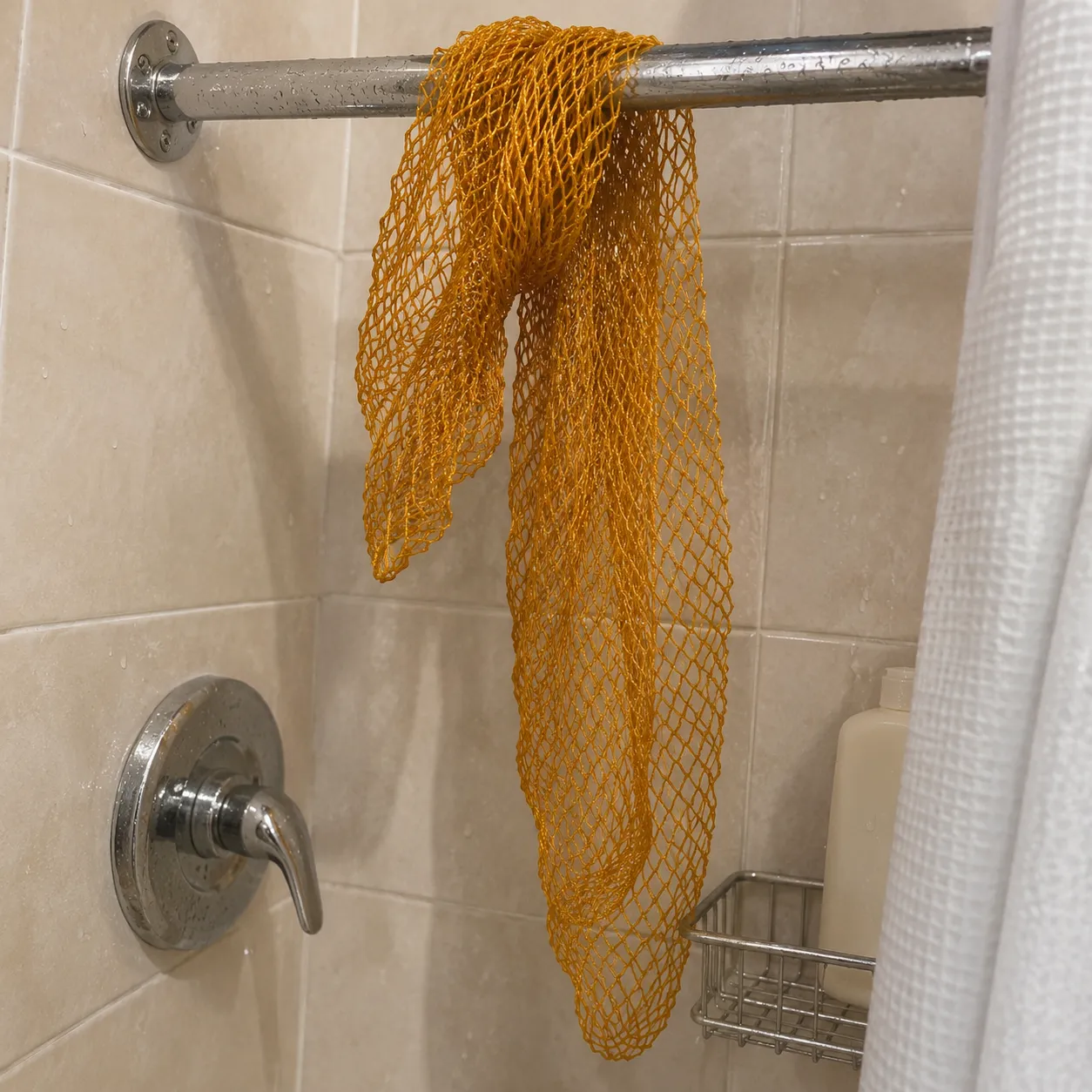
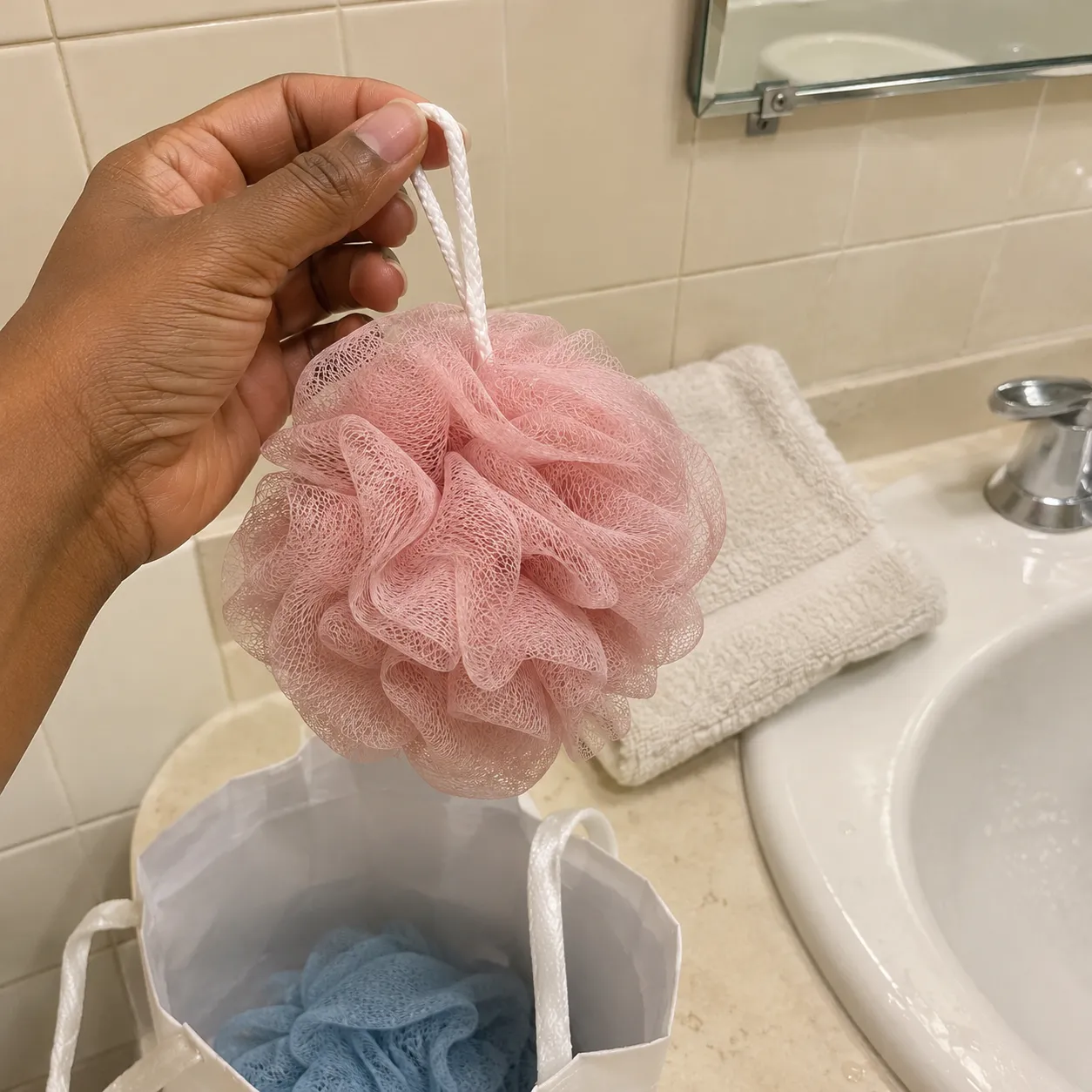
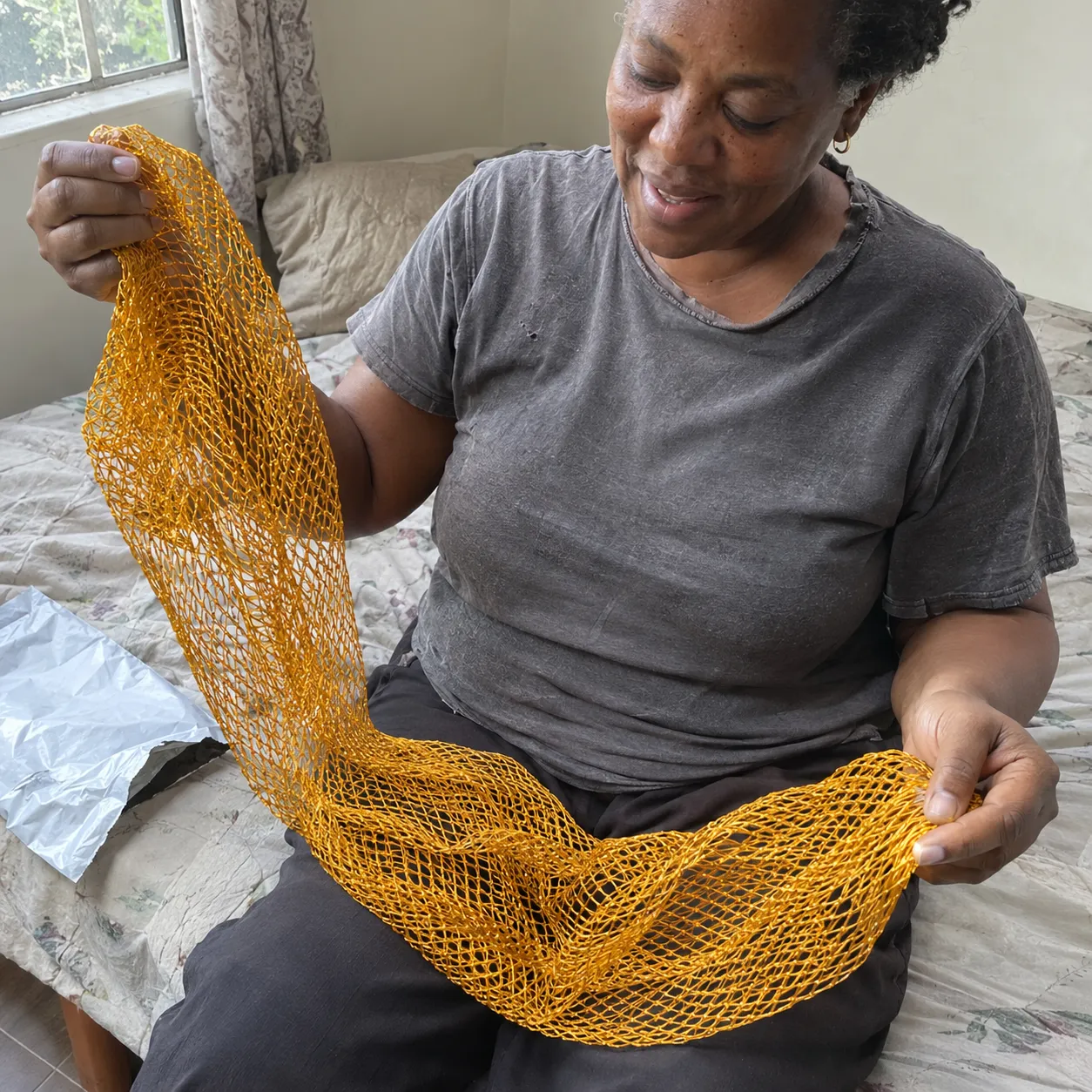
In 1982, a Ghanaian mother handed her daughter the bath tool that would go viral four decades later. Her daughter was about five. I found that memory while looking for a better way to wash my back. At first, I thought I’d stumbled onto another new shower gadget. Another thing I was supposed to buy because everyone online was suddenly talking about it. Then I read the date again. 1982. A woman named Caroline Ansah had written about her parents, who grew up in Kumasi, Ghana. They had used plant-fiber bathing sponges before switching to mesh. She remembered her mother giving her a mesh bath cloth as a little girl. That detail stayed with me. For her family, this was already part of learning how to wash. For me, it was something I’d never thought to look for. By then, I had tried the round loofah. A loofah on a stick. A silicone scrubber. Washcloths. I could have opened a little bath-tool aisle in my own bathroom. And I was still doing the same awkward thing in the shower. One arm over my shoulder. Reach a little farther. Switch hands. Try from underneath. I could feel the pouf moving. I just couldn’t comfortably get it across the part of my back I wanted to scrub. Eventually, I’d rinse off and get out. The next time I bought something, I hoped that would be the one. Then I came across the instructions on EcoTools’ Delicate EcoPouf page. “Replace every 30 days.” I looked at my phone. Thirty days. About twelve replacements a year if I followed that schedule. I understood that bath tools need care and replacing. But I was tired of shopping for another version of something I was already working around. The next one could be fresh. A different color. A little softer. It would still be a small ball of mesh in my hand. That was what annoyed me about the loofah aisle. It always had a replacement ready. I was the one going home to try reaching from another angle. I even found a 1998 Procter & Gamble patent pairing a mesh bath sponge with liquid cleanser. Better lather was one of the benefits, alongside cleansing and conditioning. I could understand why that combination sold. I liked the bubbles, too. But I already had plenty of bubbles on the parts of my body I could reach. I wanted my back to feel properly washed. So I went back to the African net. I watched how it opened out. One end in each hand. The cloth reaching across the back, instead of staying bunched around the hand holding it. I pictured that movement in my own shower. And suddenly, that Ghanaian mother’s choice made more sense to me. The mesh cloth was practical. Something you could gather in your hand, then open out when you needed the length. I didn’t have to understand every detail of its history to understand that. I was still hesitant. I’d already bought enough tools that seemed like a good idea. But this time I could see what I would actually do differently. I ordered one from Ember & Root. When I tried it, I held an end in each hand and worked it across my back. That was the part I’d been trying to get to. It lathered well, and I liked how it felt to scrub the whole area. When I rinsed off, my back felt clean. I didn’t get the dramatic piles of skin some videos show. What I got was a shower I felt good about finishing. I liked it enough to share nets with my boyfriend and his mother. They liked theirs, too. And there I was, telling other people about the thing I’d almost dismissed as another internet invention. I still think about that little girl in 1982. Her mother handed her a bath cloth. Years later, she remembered it well enough to write about it. I had spent all that time choosing the next pouf without considering a different kind of tool. The loofah aisle could keep offering me another color. I finally had a reason to walk past it. Before you buy another one, look at how an African net works. Ember & Root put together a page explaining the tool and seven reasons people are switching. It’s the alternative I wish I’d looked at before buying another version of the same routine.
More from Emma’s Skin Journal
The shower habit I never questioned
Emma’s Skin Journal
The shower habit I never questioned
Emma’s Skin Journal
The shower habit I never questioned
Emma’s Skin Journal
Before You Buy Another Loofah
Emma’s Skin Journal
Before You Buy Another Loofah
Emma’s Skin Journal
Before You Buy Another Loofah
Emma’s Skin Journal

Before You Buy Another Loofah
Emma’s Skin Journal

Die Kerze hats entschieden. #Arbeit #HomeOffice #ASMR #BessereJobsFuerAlle
Indeed

Get the revolutionary dog training book!
Raising Dog

So what are your nervous system triggers?🤯
Leaply: Vagus TESTS - Find Your Balance

🏡 Dream Hampshire Living + Defender: Enter 99p!
BOTB

Treat yourself to more elastic, hydrated and radiant skin ✨ Take one delicious sachet daily 💧 11,000mg of premium marine collagen 🍓 Choose from great tasting flavours
Zooki

 Add to Chrome