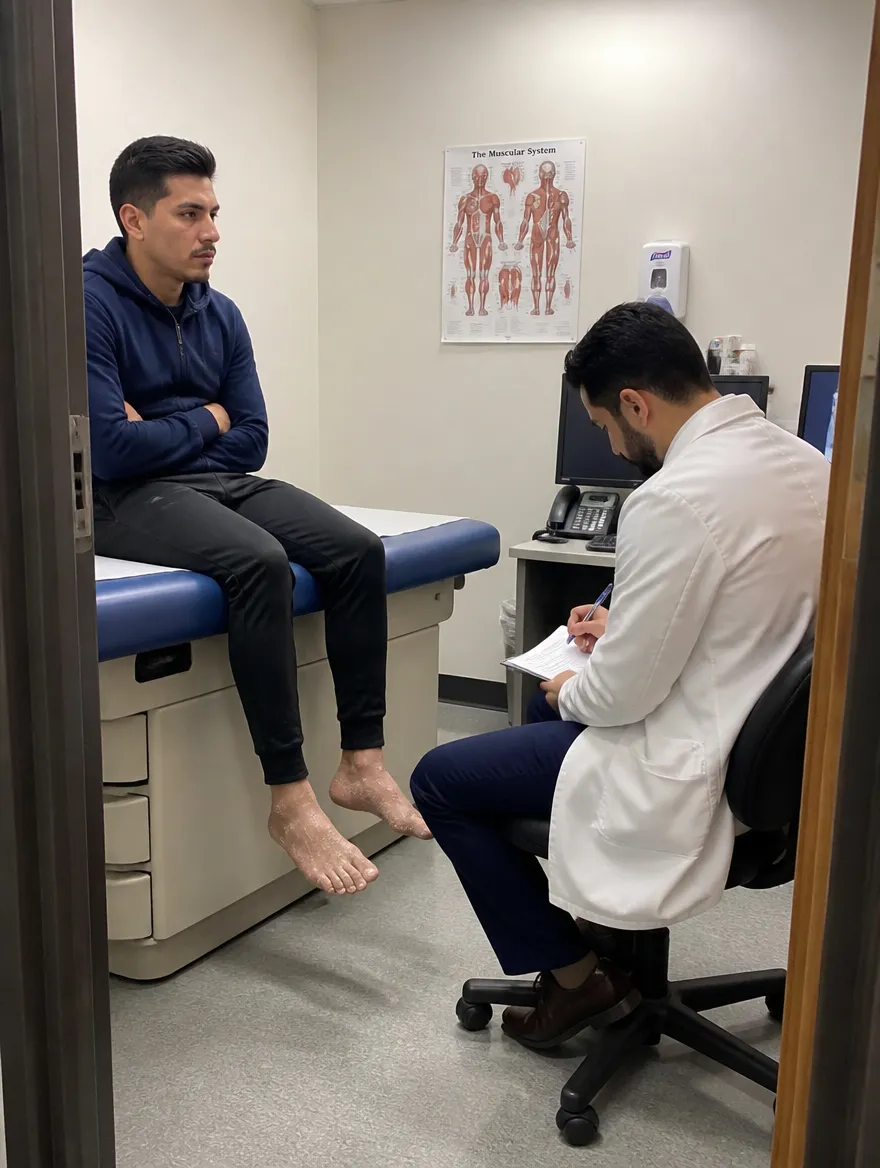
Eliminate Athlete’s Foot Today.
Ad Copy
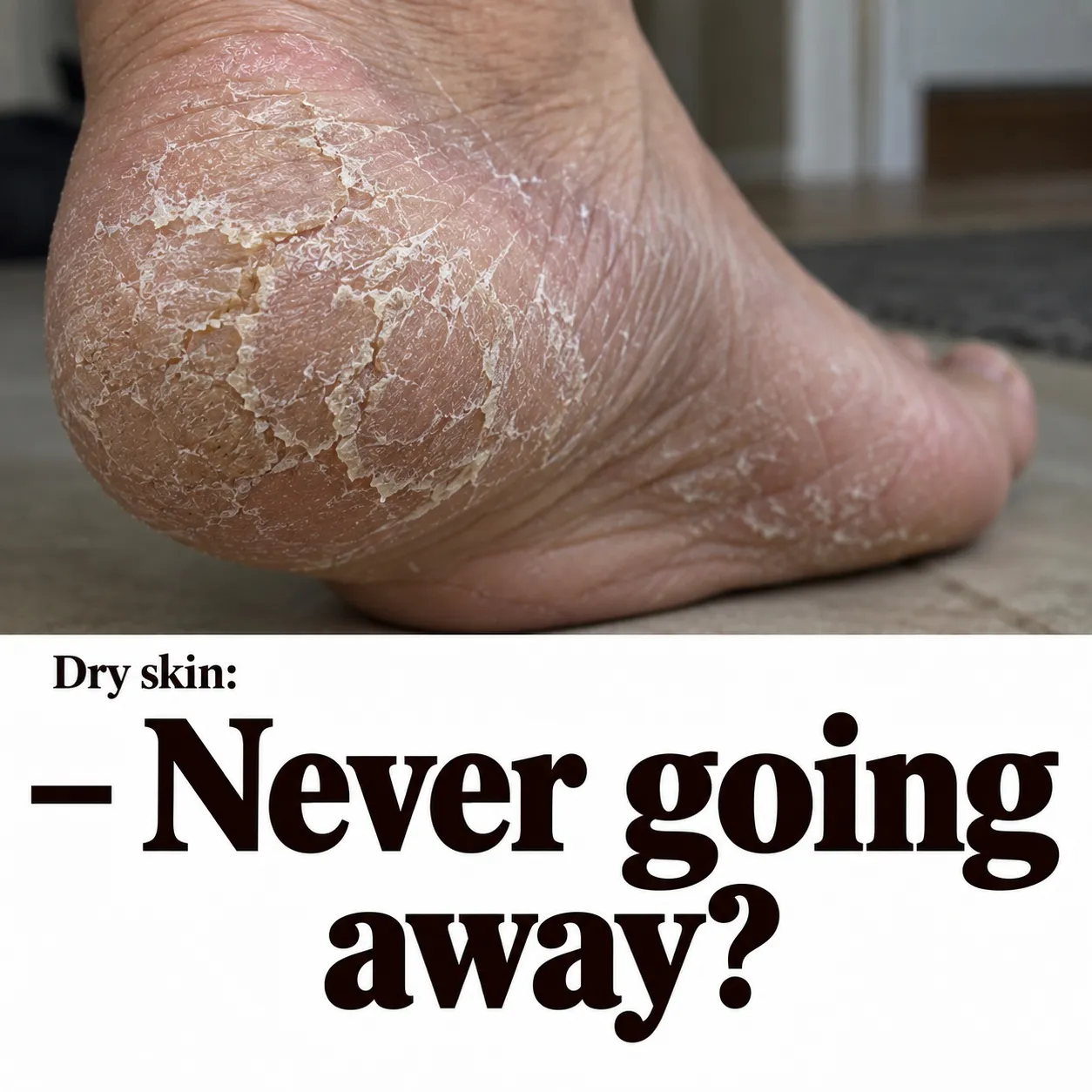
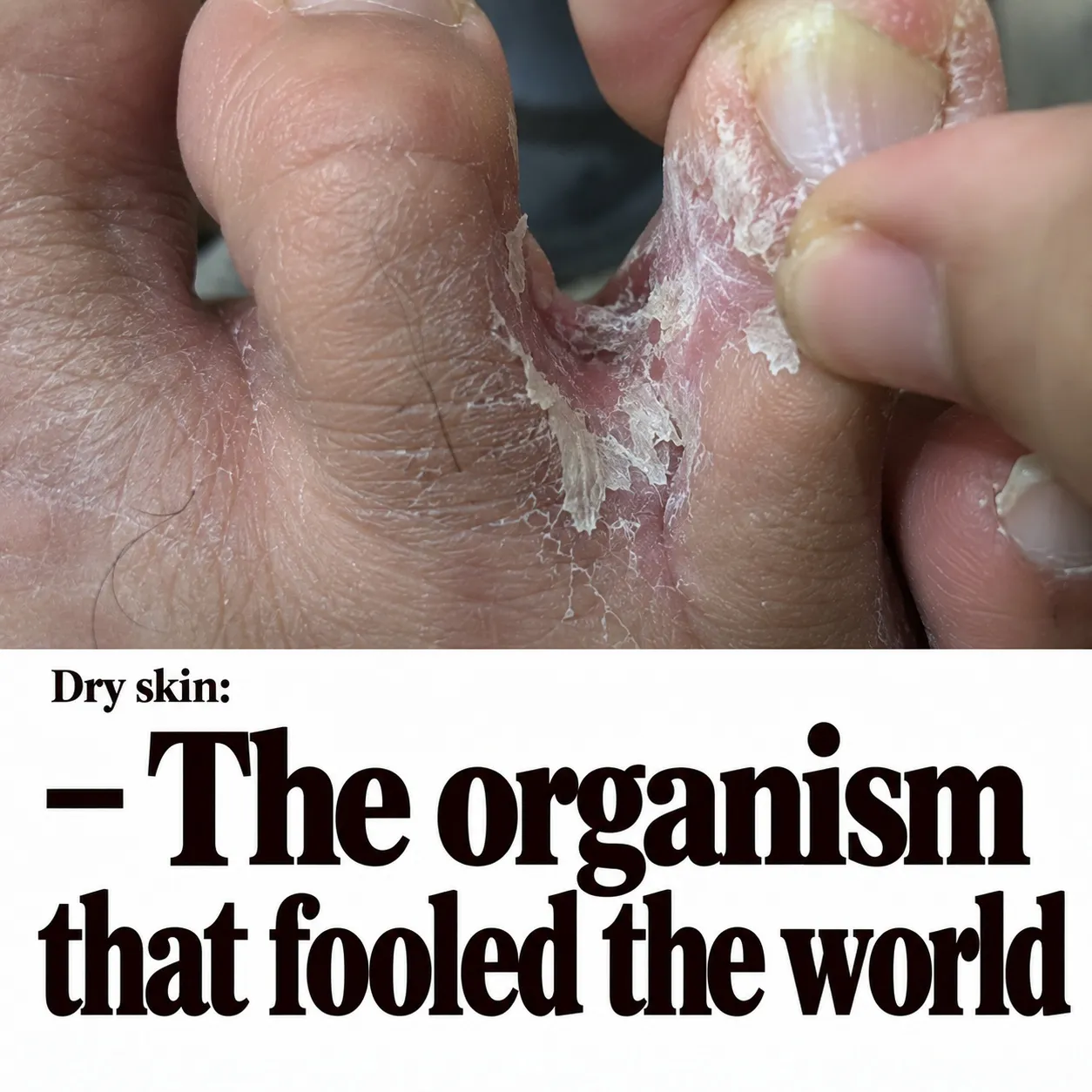
Is there peeling between your toes that never fully goes away? Or the itching that shows up, disappears, then comes right back? You've been calling it dry skin. It probably isn't. I'm a podiatrist. I've spent twelve years looking at feet for a living, and there's a symptom people bring me almost every week that they've been treating for months, sometimes years, without knowing what it actually is. They point to the skin between their toes. Sometimes the sole. And they say some version of the same thing. "It's just dry. I moisturize it and it comes back a day later." Here's what I tell them. Dry skin doesn't work like that. Real dry skin responds to moisturizer. It gets better and stays better. If the skin between your toes keeps peeling no matter how much lotion you put on it, that's not dryness. That's a pattern. And patterns have causes. Before I explain what's actually happening, check yourself against three things. Takes less than a minute, and it will probably tell you more than the last years of guessing did. Sign one. The skin between your toes looks white or soft after a shower — almost like it's been sitting in water too long, even though it's only been a few minutes. Some people describe it as looking almost bleached. Sign two. There's an itch that comes and goes. Not constant. It shows up for a day or two, fades, and you forget about it until it's back — usually worse after you've had shoes on all day, or right after you towel off. Sign three. Peeling or flaking that never fully clears, even with regular moisturizing, even when the rest of your skin looks completely fine. It stays confined to that one area, like it's living somewhere the rest of your skin isn't. If even one of those sounds familiar, I need you to hear this part carefully. That's not dry skin. That's athlete's foot. And it's been building for longer than you think. I know that sounds dramatic for something that barely bothers you. But that's exactly the problem. Athlete's foot doesn't hurt in the beginning. It doesn't look alarming. It just sits there, quietly, doing very little for a long time. No redness worth worrying about. No pain that stops you from walking. Nothing that would ever make you book an appointment on its own. Until it doesn't stay quiet. Left alone, it spreads. Between the other toes first. Then to the soles. Then, for a lot of my patients, into the toenails — where it turns them thick, yellow, and far harder to clear than anything on the skin ever was.I've seen it move to the hands from a single unwashed towel. I've seen it pass through an entire household because everyone was sharing the same shower mat, and nobody realized what they were sharing along with it. None of that happened because anyone was careless. It happened because nobody told them what they were actually looking at.I've had patients apologize to me for "letting it get this bad," and every time I tell them the same thing. You didn't let anything happen. You just never had the information you needed to know there was anything to stop. I see this constantly, in people who take care of themselves in every other way. Same patients who show up early to appointments, who ask good questions about their medication, who would never let a real health problem sit untreated.This one just never announced itself as a real health problem. It looked like laundry-day dryness. Nothing about it said "this is spreading." I want to be clear about something. If you've been putting moisturizer on this for months and it hasn't worked, that is not a failure on your part. You were treating the symptom you could see, the way anyone would. The problem is, moisturizer doesn't just fail to help here. It feeds it. Fungus thrives in warm, damp, softened skin. Every time you moisturize skin that's already fungal, you're improving the exact environment it needs to keep growing.You've been watering the thing you were trying to dry out. Most of the people I see have already tried basically everything on the pharmacy shelf. A cream. A spray. Sometimes a powder, sometimes all three at different points. Something worked for about a week, then stopped working, then came right back — exactly like it had never left in the first place. Here's why. When fungus lands on your skin, it doesn't just sit on the surface. Within days, it builds something doctors call biofilm, basically a protective shield around itself that protects the fungus from anything you ever put on top of it. That shield is why standard antifungal creams and sprays only work for a little while.They're built to attack fungus sitting exposed on the surface. But once this shield forms, the active ingredients in every solution hit it and do nothing.They never actually reach for what’s underneath that shield, which is why nothing has worked for you consistently. That's the part almost nobody explains, not in fifteen-minute appointments and not on the back of a spray can. You weren't treating it wrong. You were treating something that had already built armor against the exact solutions you were using to fight it. The fix isn't a stronger version of the same cream. It's breaking the shield first, so whatever comes next actually has a target to reach. There's one natural ingredient that does that better than almost anything else I've seen studied for this.Tea tree oil. Not as a background ingredient buried in a long list. But as the first move.It breaks down the biofilm shield, exposes the fungus that's been hiding underneath it, and only then lets the rest of a formula reach it and finish the job. That order matters. Shield first. Fungus second. Everything most people reach for does it backwards, or never addresses the shield at all. That's why I started recommending Veloma, a bar soap, to patients who'd already tried everything else and were starting to believe nothing would ever work. It's built around that order. Tea tree oil breaks down the shield firstfirst. Witch hazel and sulfur extract follow to kill what's exposed underneath, once the shield is already down. Then lauric acid helps rebuild the skin barrier, so the environment stops being one the fungus wants to live in to begin with. There's no separate step, no soaking, nothing extra to remember.It just replaces the soap already sitting in your shower. Three to five minutes under the water is all the routine requires. Most of my patients tell me the itching and the peeling calm down within the first week.Not gone completely, but noticeably quieter, which for most of them is the first real change they've felt in months of trying everything else.By the second and third week, that's usually when the skin starts looking like skin again instead of that soft, worn patch they'd stopped paying attention to. So now there are two ways this can go for you from here on. One: you keep calling it dry skin. You keep moisturizing it, which keeps feeding it. It keeps spreading quietly until it's loud enough you can't ignore it. That's usually when people finally sit in my chair, and by then it takes a lot longer to clear than it would have today. Or your second option is, you check yourself against the three signs I gave you, if you feel like they describe exactly your situation, then get Veloma because it’s the only solution designed exactly for this biofilm I explained to you.Veloma comes with a 30-day money-back guarantee, so if it doesn’t work for you, you get your money back. Veloma is also running a special offer right now, so if you don’t want to miss out, click the link below. P.S. "Is tea tree oil actually strong enough to do this on its own?" No — which is why nobody stops at tea tree oil. It's the first step, not the whole plan. It's what opens the shield so the rest of the formula, the sulfur extract and the lauric acid, can finish the job. Skip that first step and you're back to spraying a locked door. P.P.S. "I've tried creams before and nothing worked. Why would this be different?" Because creams and sprays were never built to deal with the shield in the first place. They were built to kill exposed fungus, which is a different problem than the one you actually have. This works backwards from that on purpose — shield first, fungus second. P.P.P.S. "What if mine isn't that serious yet?" That's what almost every patient tells me the first time they sit in my chair. The shield doesn't check whether you think it's serious. It keeps building, quietly, whether you're worried about it or not. The earlier you break it, the faster it's done, and the less it's had time to spread. P.P.P.P.S. "Could I be passing this to my family without knowing it?" It's more common than people expect, especially through shared shower mats, towels, and bathroom floors. If one person in the house has the three signs, it's worth everyone using this in the shower, not just the one who noticed first. P.P.P.P.P.S. "Is it safe to use every day?" Yes. It's a soap, not a medication — you use it exactly the way you'd use any other bar in the shower. The only thing I tell patients to hold off on is applying it to any open cuts or wounds until those heal.
More from Real Talk Wellness
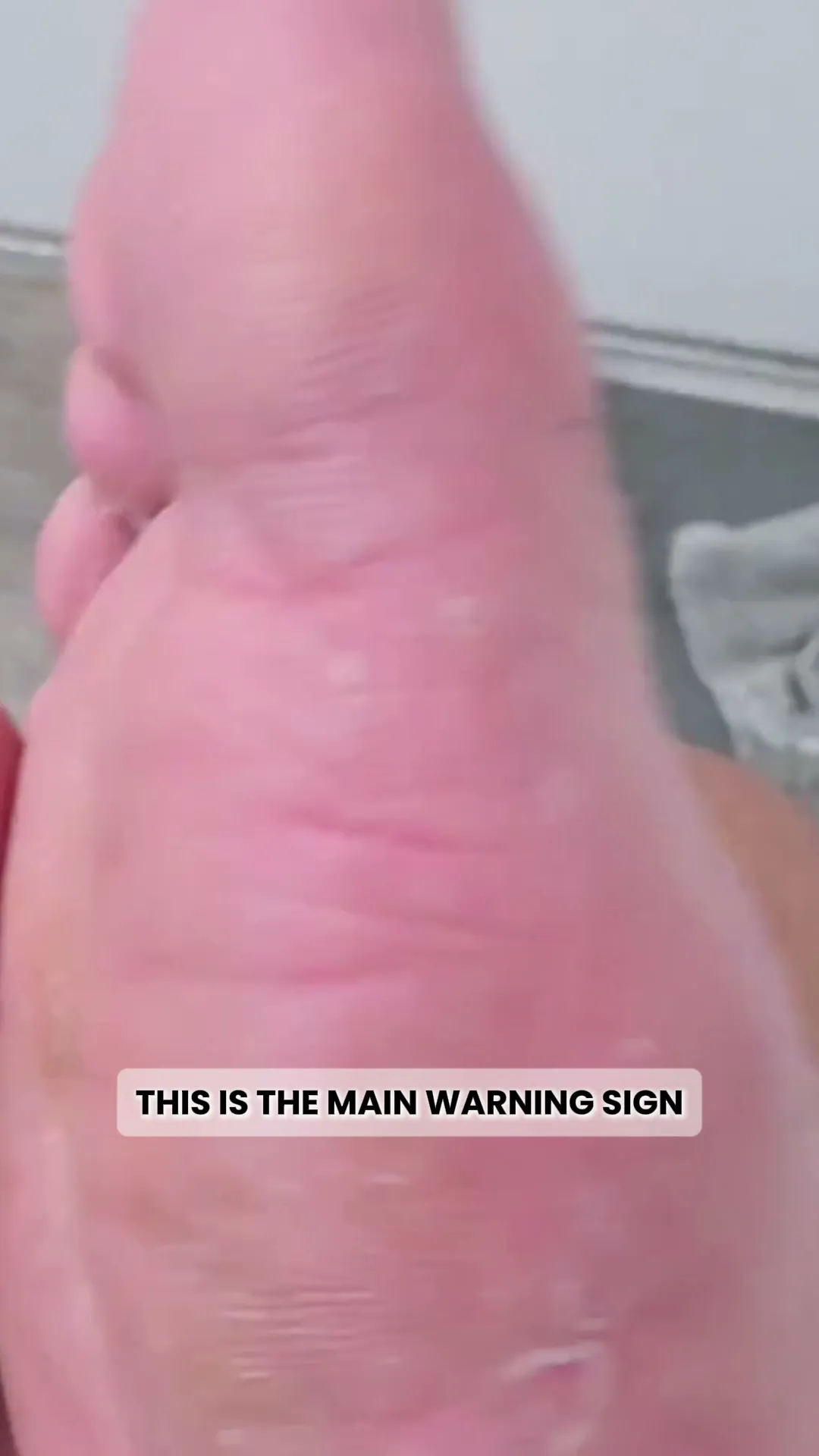
Don't Ignore It
Real Talk Wellness
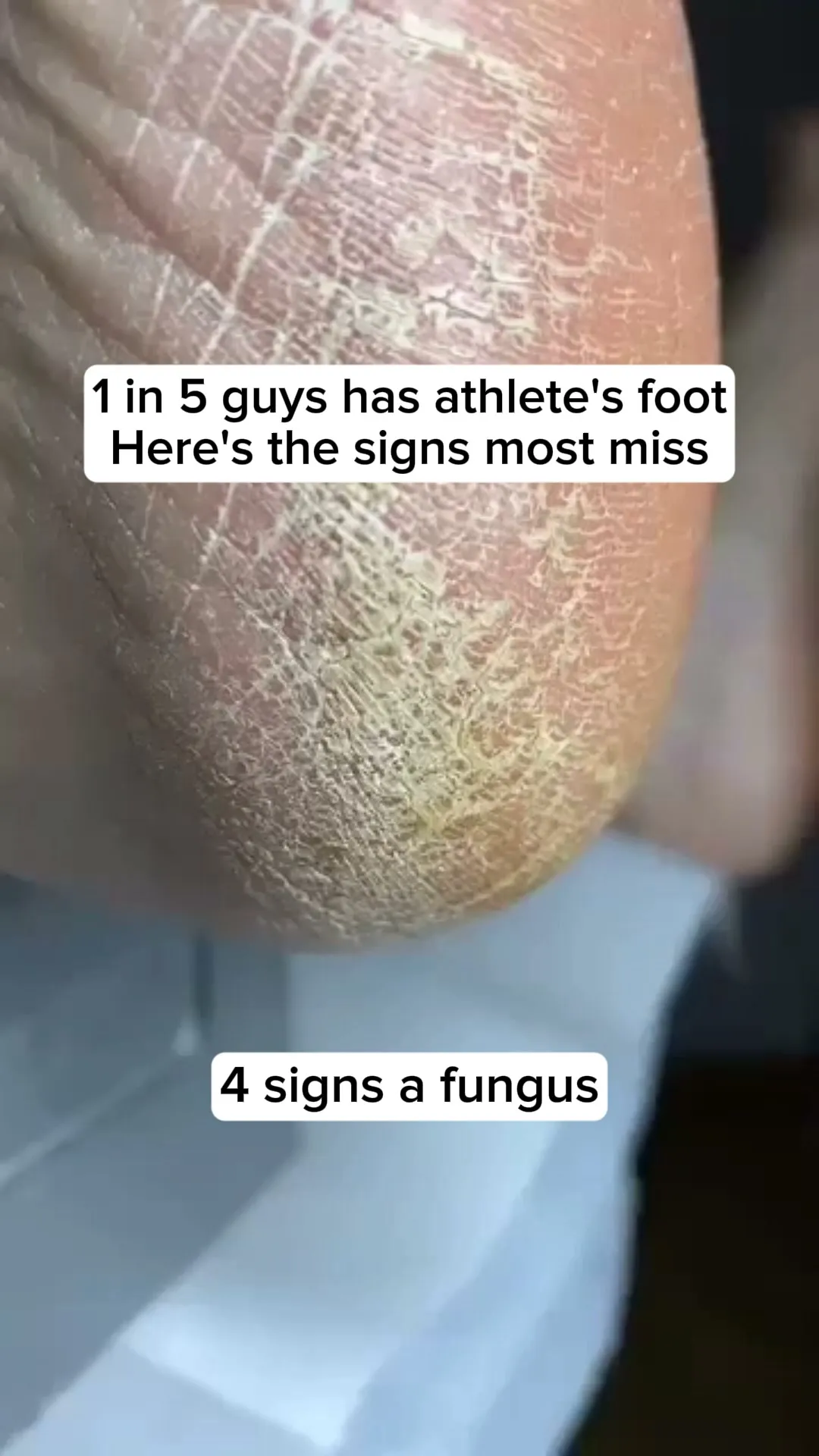
Goodbye Athlethe’s foot💚
Real Talk Wellness
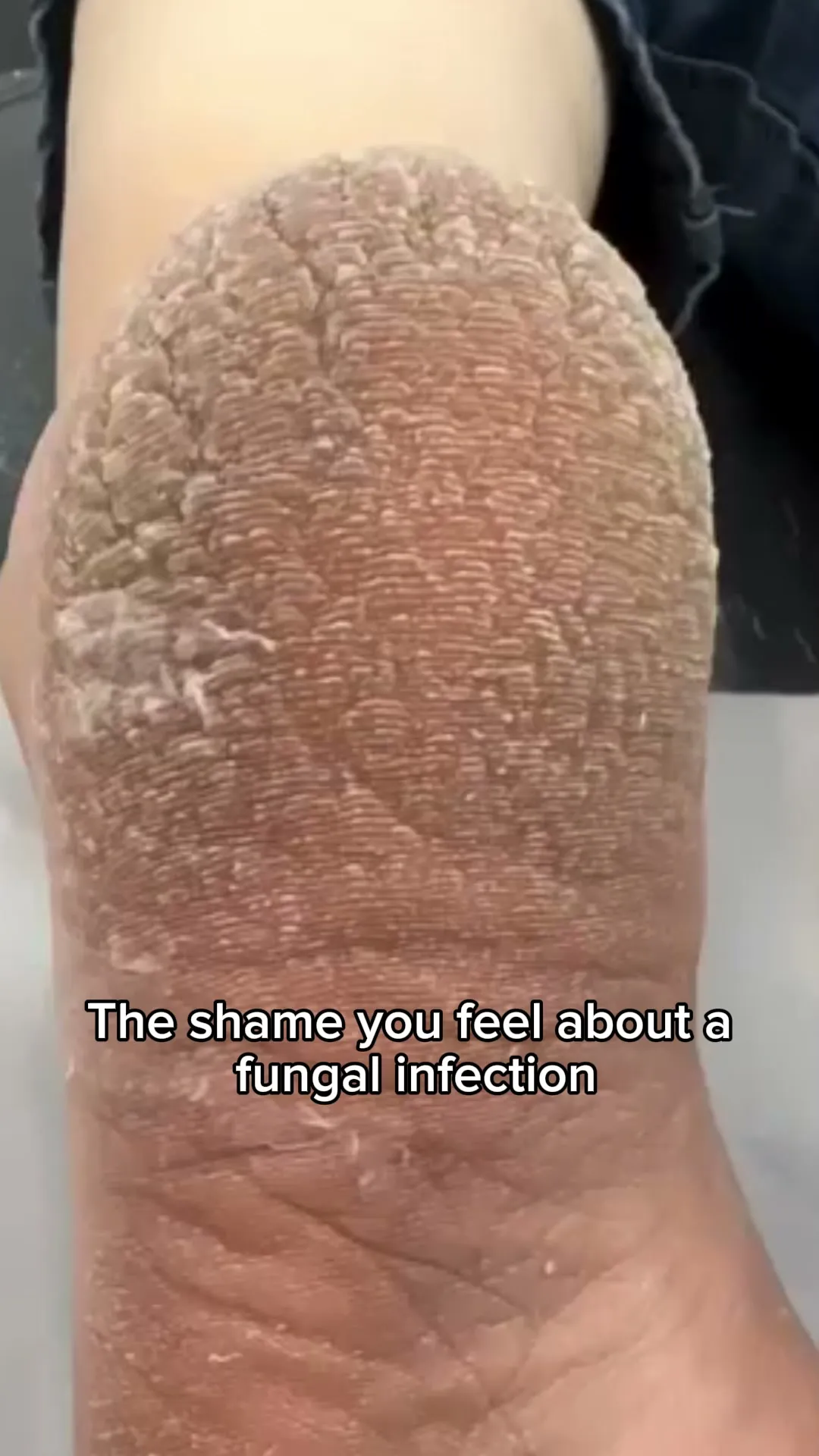
Goodbye Athlethe’s foot💚
Real Talk Wellness

Goodbye Athlethe’s foot💚
Real Talk Wellness

Goodbye Athlethe’s foot💚
Real Talk Wellness
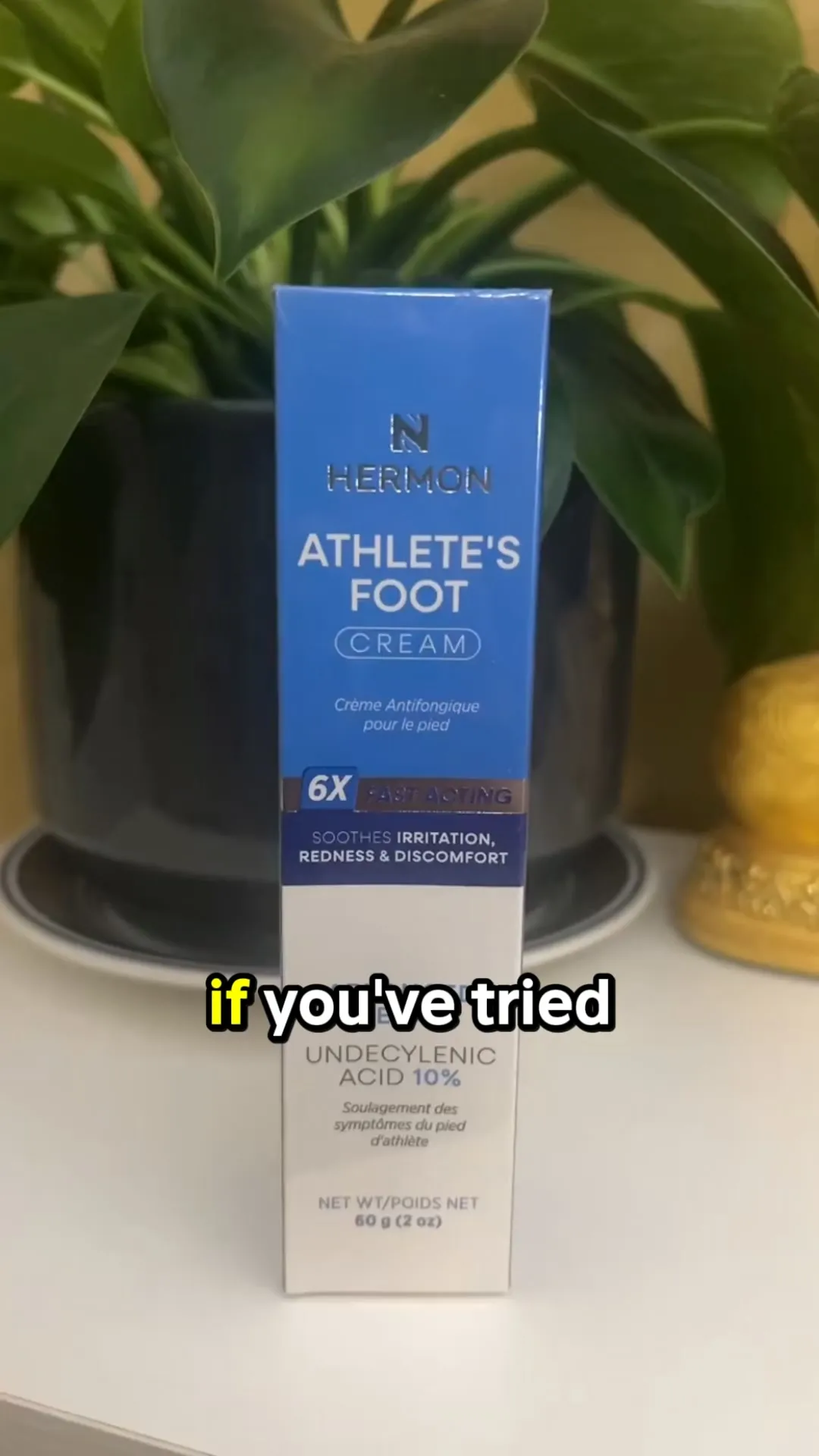
Stop The Athlete's Foot Cycle.
Real Talk Wellness
Support And Protect Foot Health Daily
Real Talk Wellness
Claim a FREE Soap
Real Talk Wellness
Claim a FREE Soap
Real Talk Wellness
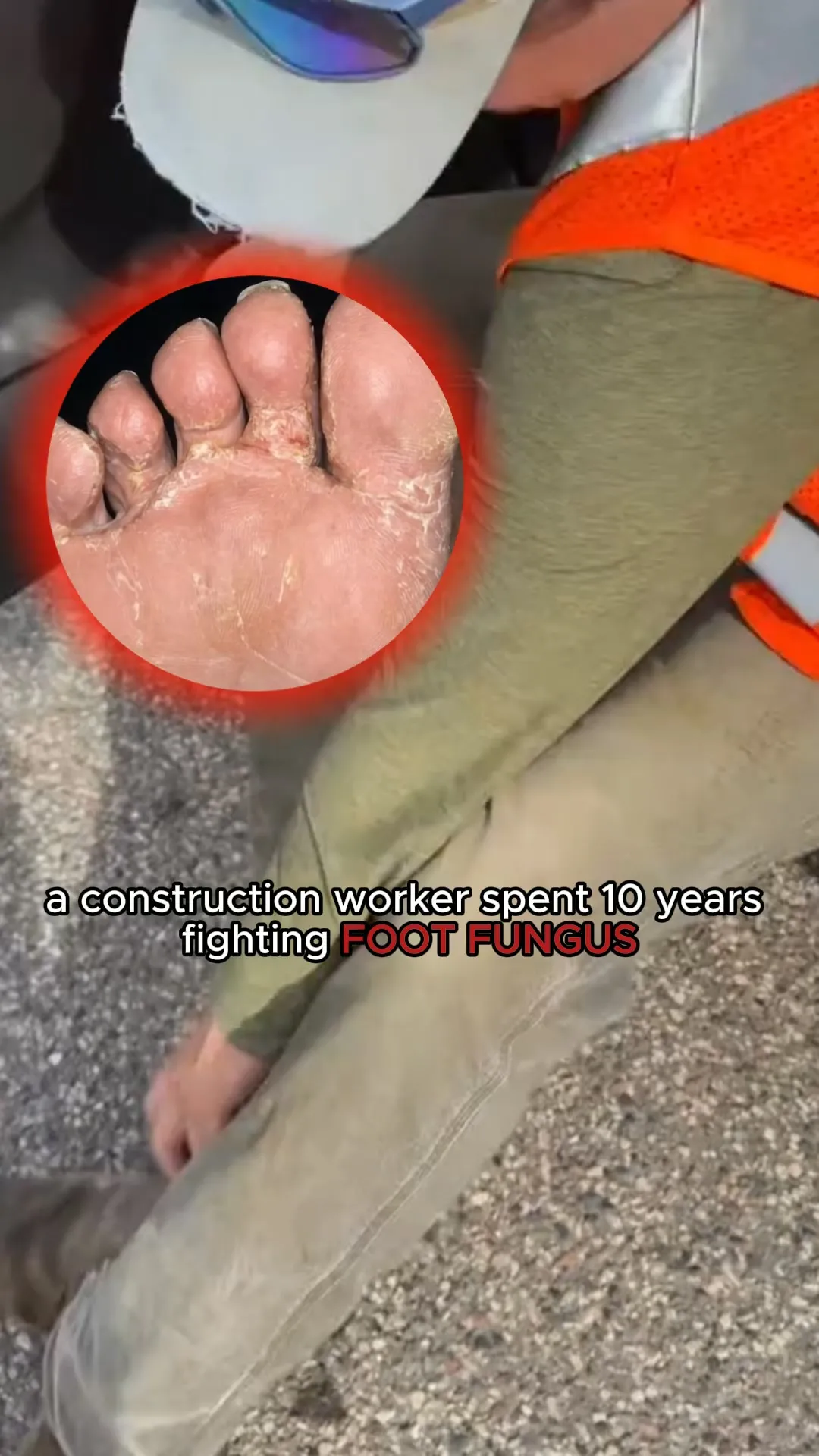
Try It Risk-Free For 30 Days 💚
Real Talk Wellness
The Fungus Has Changed. Your Cream Hasn't. (MUST READ)
Real Talk Wellness
The Fungus Has Changed. Your Cream Hasn't. (MUST READ)
Real Talk Wellness

 Add to Chrome