at2a Nattokinase 10,000 FU
Ad Copy
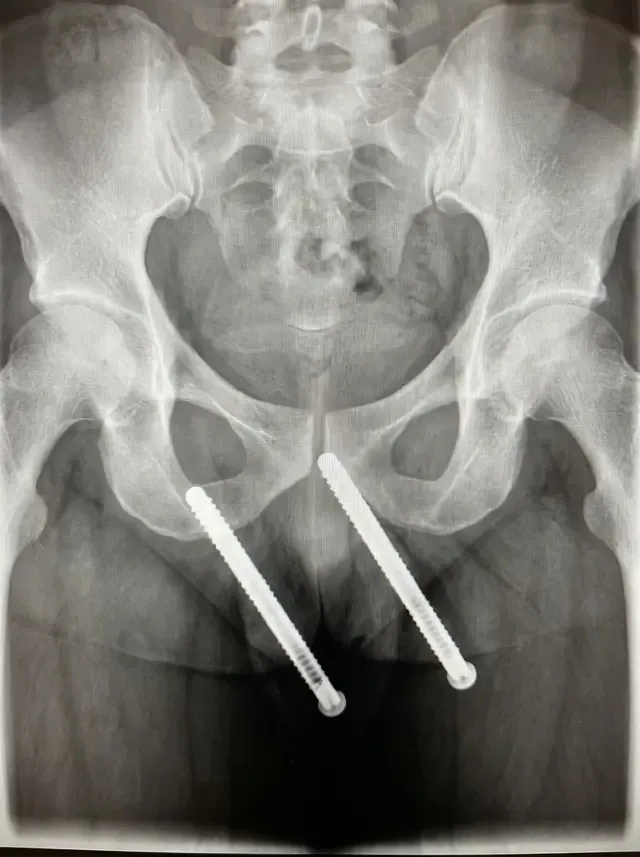
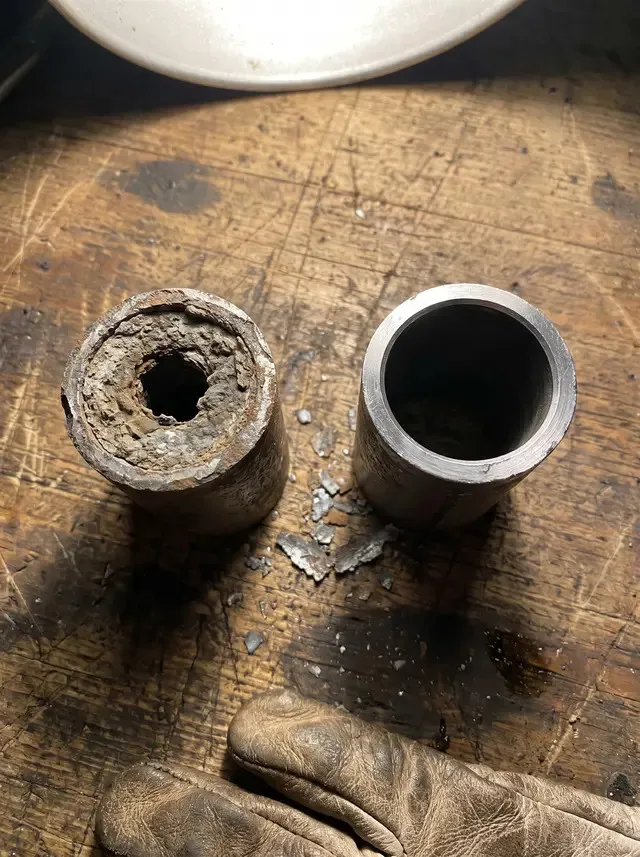
I beat my meat every single day for 43 years. Sometimes twice. And I am going to tell you exactly what it did to my body and my marriage by the time I turned 57, because I think a lot of men reading this are doing the same thing right now and have absolutely no idea what is coming. I'm 57. Married 31 years. Two kids, both grown and gone. I started beating my meat when I was 14, like every guy I know. I never stopped. I never thought to stop. Nobody ever told me there was a reason to stop. Every man I have ever talked to does it. Doctors say it's normal. Magazines say it's healthy. So I just kept going. Every day. Sometimes more than once. For 43 years straight. This is what happened to my body. Age 25. Eleven years in. Every day, sometimes twice. I noticed nothing. Erections were as hard as they had ever been. I woke up with one every single morning without exception. Recovery time was minutes. I assumed this was permanent equipment. I assumed wrong. Age 35. Twenty-one years in. Still every day. Nothing I could name. Sex with my wife was the same as it had always been. Mornings were still automatic. If you had asked me at 35 whether anything had changed I would have said no, and I'd have been telling the truth. That's the part that matters. At 35 the thing that would eventually take me apart was already in there, and it had not sent me a single signal yet. Age 45. Thirty-one years in. First real change. Morning erections stopped being every morning. Maybe five days out of seven. Then four. I blamed the obvious things. I was 45, not 25. I was carrying twenty extra pounds. Work was brutal that year. I did not connect it to anything, because there was nothing to connect it to. Nobody had ever given me a reason to. Age 52. Thirty-eight years in. Now it was undeniable and I was lying about it anyway. Morning erections down to maybe twice a week. Sex required actual concentration — I had to keep my mind on it or it would slip, and if it slipped I couldn't get it back. Sensation was muted. Not gone. Muted, like there was a layer of something between me and it. I told my wife I was tired. I said that for two years. And this is where the shame starts, so I'll just say it: I stopped initiating. I did not stop wanting her. I stopped risking it. If I never started anything, I could never fail at anything. She noticed. She was kind enough not to say it directly. Thirty-one years and she never once said it directly, and I want you to sit with how much that costs a woman. I told myself this was 52. This is what happens to men in their fifties. It was not what happens to men in their fifties. I just didn't know that yet. Age 57. Last year. Forty-three years in. The slow slide of two decades suddenly fell off a shelf. Morning erections — gone. Completely. Six, eight weeks straight of nothing. Sex required not concentration but effort, physical effort, and even then I never got fully hard. And the sensation was so dulled that finishing felt less like pleasure and more like labour. Like work. Like a job I was doing on my own body. I got a sildenafil script two years before that. It worked like a switch the first time. Then it worked most times. Then it was a coin flip. So I went up a dose. On my own. I told nobody. Not my doctor. Not her. The day it finally landed on me was an ordinary Tuesday morning in March. My wife reached over in bed and put her hand on me. She hadn't done that in a long time. I think she was being brave. And my Johnny just sat there. Soft. Numb. Nothing. Not responding to her hand the way it had responded to a hand fifteen thousand times over forty-three years. I made an excuse. Got up. Went into the bathroom and stood in front of the mirror with the door locked. I had erectile dysfunction. At 57. Not from an injury. Not from diabetes — my A1c is 5.4. Not from low testosterone — I'd had it checked two years earlier and it came back mid-range normal, which had destroyed the only theory I owned. I had no explanation left at all. Which meant it had to be me. Which meant it was permanent. I went to my primary care doctor eleven days later. First time in my life I have ever booked an appointment about this. I told him everything. The dead mornings. The dose I'd raised without telling him. The numbness. I expected a bigger script and a handshake out the door. Instead he asked me a question no doctor had ever asked me before. "How long have the mornings been gone?" Not how's your stress. Not how's the marriage. How long have the mornings been gone. I had to think. "Six years, if you count when they started thinning out. Two months if you mean completely." He wrote that down. Then he put his pen down and said something I have not stopped thinking about since. "I need you to hear this the right way, because most men hear it wrong. You didn't break it. What you were doing every morning for forty years didn't damage anything — that's a myth and I'd like it to stop costing men years. But it does mean something. It means you have been taking a physical measurement of the narrowest artery in your body, every single morning, since you were fourteen. Most men your age have no idea what their baseline even was. You have forty-three years of daily readings. And they've been going down for six." I said, "A reading of what?" He turned his monitor around and drew two circles on the screen with his finger. "An erection is not a hormone and it's not a mood. It's hydraulics. Blood has to arrive faster than it leaves, at pressure. The artery that delivers it is one to two millimetres wide. That one" — he tapped the bigger circle — "is the artery feeding your heart. Three to four millimetres." "That's a big difference." "It's the whole story. Put the same amount of narrowing into both. The four-millimetre pipe shrugs it off — you feel nothing, your stress test is clean, your cholesterol panel is unremarkable. The one-millimetre pipe closes. Same disease. Same day. Different pipe, so a completely different symptom date." He let that sit. "So the smallest artery you own is where a body-wide problem shows up first. On average it shows up about three years before a man's first cardiac event. In roughly seventy percent of cases it's already there before anybody detects coronary disease at all. Cardiologists have a name for that gap. They call it the window of opportunity." "Nobody's ever told me I had a window." "Nobody tells the patient. That's my profession's failure, not yours." I asked him what was actually narrowing it. "Three things stack. Your lining stops dilating properly. Plaque takes up room. And the third one nobody talks about — fibrin." "Fibrin." "It's the protein that scabs a cut. Sticky. It lays down a net — a mesh — inside the vessel. Two problems with that. It thickens the blood, and thick blood in a one-millimetre channel is a completely different physics problem than the same blood in a four-millimetre one. And more importantly: that mesh is the scaffold. Plaque doesn't stick to a smooth wall. It builds on the net." He drew it. A pipe. Then a web across the inside of the pipe. Then lumps growing on the web. "Think of the trap in your shower drain. The water doesn't slow down because the pipe got narrower. It slows down because of what's caught in the mesh. Clear the mesh and the pipe was fine the whole time." "And nothing I've been taking touches that." "Nothing you've been taking is aimed at it. Your body used to clear fibrin efficiently on its own. That capacity drops with age — noticeably after fifty. Yours has been dropping for exactly as long as your mornings have." "So this has been building for years and I had no idea." "Most men don't. It's gradual. By the time it's undeniable it's usually been running for ten to twenty years. You're actually one of the lucky ones — you got the symptom in the one place that's impossible to ignore. Some men's first symptom is the heart attack." I told
More from Easterling S Ryan

Brick'd Intimacy Gummies | AT2A
Easterling S Ryan
at2a Nattokinase 10,000 FU
Easterling S Ryan
at2a Nattokinase 10,000 FU
Easterling S Ryan
Max Potency R-Alpha Lipoic Acid 600mg — AT2A
Easterling S Ryan
AT2A Aged Odorless Garlic with CoQ10
Easterling S Ryan

Max Potency R-Alpha Lipoic Acid 600mg — AT2A
Easterling S Ryan

AT2A Lymphatic Drainage Drops
Easterling S Ryan

AT2A Lymphatic Drainage Drops
Easterling S Ryan
AT2A Lymphatic Drainage Drops
Easterling S Ryan

Feeling bloated, puffy, swollen, sluggish, or constantly run-down? Introducing AT2A LymphaticWellness Drops — a fast-acting, science-backed liquid formula that supports natural lymphatic drainage and full-body vitality. 💧 Helps flush out built-up toxins and waste 💧 Supports healthy circulation and immune function 💧 Reduces puffiness, water retention, and inflammation 💧 Promotes clearer skin, less bloating, and a lighter-feeling body ✅ Powered by herbal ingredients like Red Root, Cleavers, and Burdock ✅ Alcohol-free, non-GMO, 3rd Party Tested, and easy to absorb 🍯 Taste Like Honey 🌿 Natural herbs | 3rd-party tested in the USA | Non-GMO 💗 Just a few drops in water twice a day — and let your body feel the difference. Tap Shop Now and cleanse from within!
Easterling S Ryan
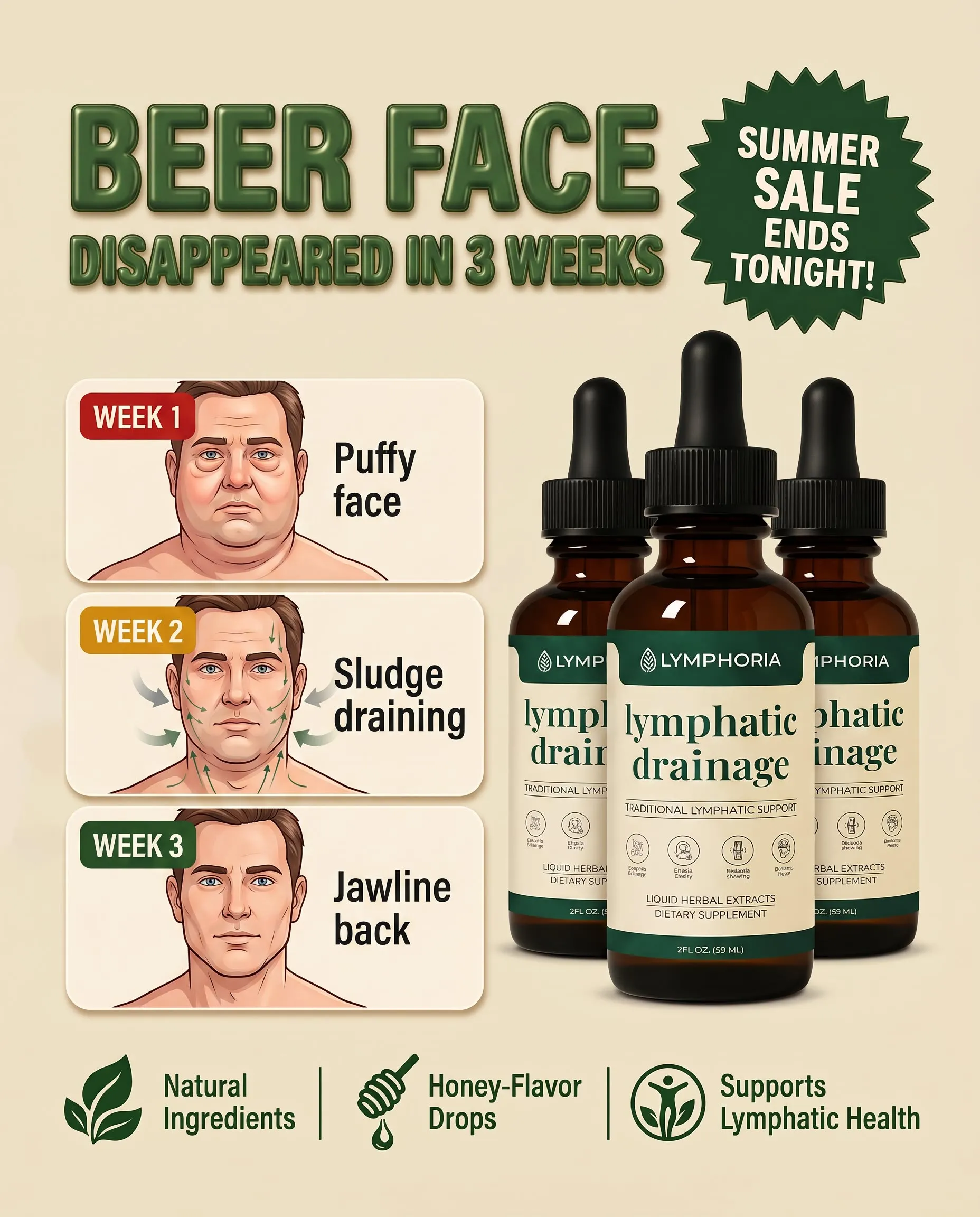
AT2A Lymphatic Drainage Drops
Easterling S Ryan
404 Not Found
Easterling S Ryan

 Add to Chrome