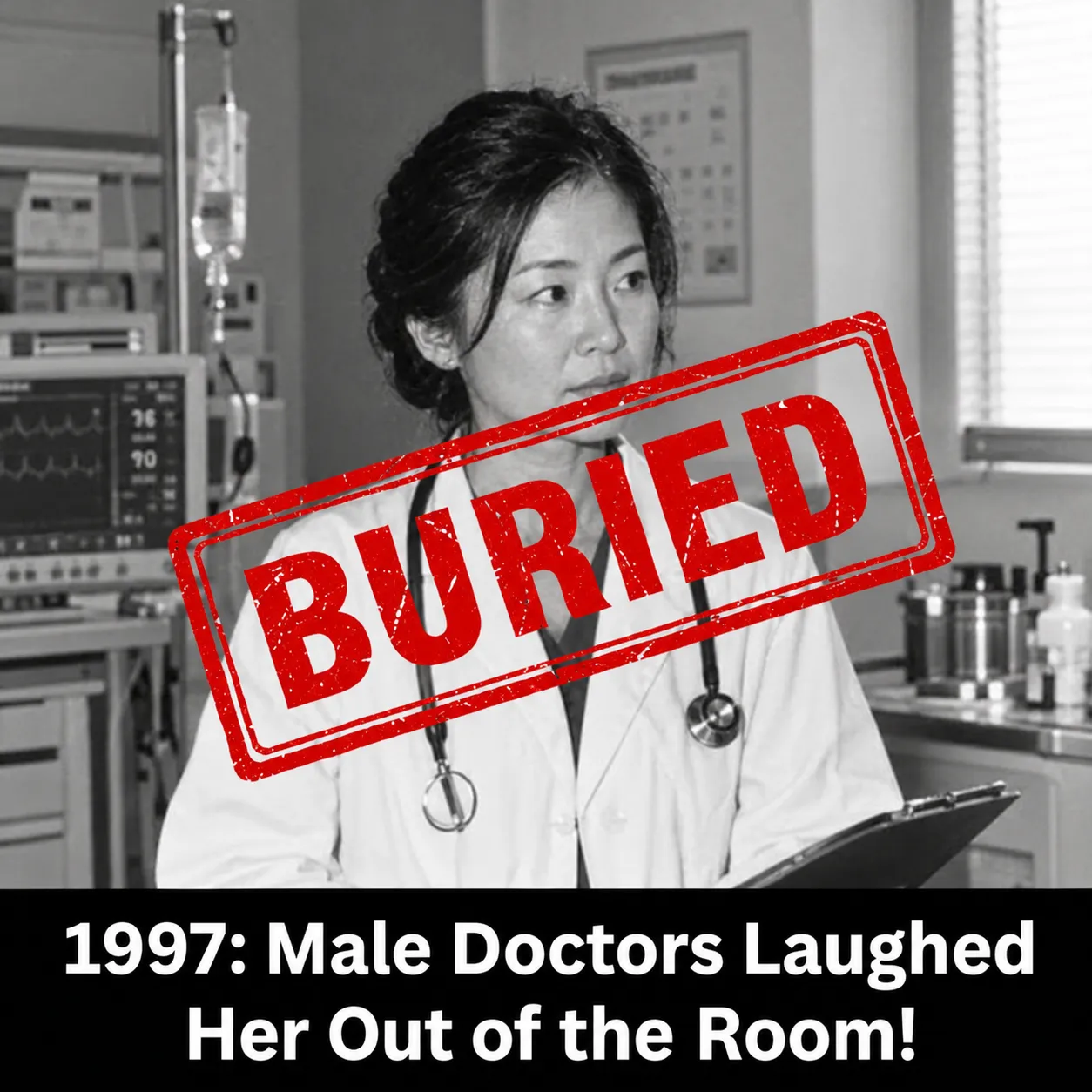
They funded Viagra. They buried her.
Ad Copy
In 1997, a female researcher made the most important discovery about vaginal tissue that should have changed medicine for every woman over 50. But three male journal reviewers decided you’d never hear about it. Her name was Dr. Akemi Tanaka. She was a mucosal biologist at UC Davis. One of four women in her department. It was 1994. While the men around her chased NIH grants for erectile dysfunction studies — a field that attracted funding like gravity — she was doing something nobody else wanted to do. Studying vaginal tissue. The membrane that dries out and thins and cracks and bleeds in every woman after menopause. The tissue that makes sex feel like sandpaper — and if you’ve never felt that, you won’t understand the word. She wanted to know why it breaks down. Not just that it does. Why. What’s actually failing. And whether estrogen is even the real answer. Nobody would fund the question. So she answered it herself. She used her sabbatical time in Kyoto, spent her weekends in rural clinics, and collected tissue samples from hospitals that were going to throw them away. She started comparing. If American women’s tissue breaks down after menopause — why doesn’t it break down the same way in Japanese women? They had the same estrogen decline, the same age range, the same hormonal profiles. She tested 140 women across three rural communities outside Kyoto. Their hormones looked nearly identical to her American cohorts. By every measure, they should have been experiencing the same dryness, the same thinning, the same discomfort. But they weren’t. The Japanese women’s vaginal lining was thicker, more elastic, and better hydrated. Healthier than American women ten years younger. She ran it twice because she didn’t believe the first result. The hormones were the same. The tissue was completely different. That meant estrogen wasn’t the whole story. She sat in that clinic for a long time. Because if that was true — if estrogen decline was the trigger but not the cause — then every treatment built on replacing estrogen was treating the wrong thing. Every cream and ring and tablet and $300 prescription. All treating the wrong thing. So she spent two years figuring out what was actually failing. What she found should have rewritten every gynecology textbook in the country. She called it the Three-Barrier Model. Your vaginal tissue doesn’t just need estrogen. It needs three barriers working together. When all three are intact, the tissue stays healthy. When they break down, no amount of estrogen saves it. The first barrier is moisture retention. Not wetness on the surface. Your cells need to hold water from the inside, bind it and keep it. When this fails, lubricant disappears in minutes because you’re pouring water into a cracked bowl. The second barrier is tissue integrity. The lipid layer between your cells — think of it like mortar between bricks. When this breaks down, the tissue thins and micro-tears form. That’s the burning. That’s the bleeding. That’s the rawness you feel sitting in a chair at work that nobody around you knows about. The third barrier is the microbial shield. The bacteria that protect everything else. When they fall out of balance, pH shifts, inflammation spikes, infections increase, and the other two barriers fail faster. All three barriers need support. Estrogen only touches one. That’s why HRT helps some women and not others. That’s why estrogen cream works for three weeks and stops. That’s why lubricant never lasts. That’s why your doctor keeps saying “give it time” and nothing changes. They were patching one hole in a wall with three. Now all she had to do was get someone to listen. She thought the data would speak for itself. She thought the connection was too clear to ignore. She thought — because she was a scientist and not a businesswoman — that proof was enough. It wasn’t. They destroyed her. The way the system always destroys women who threaten revenue. Quietly. Politely. With rejection letters. The first journal rejected her. “The hormonal model of vaginal atrophy is well-established and sufficient.” That’s code. The estrogen model was making money. A model that said estrogen wasn’t enough threatened the money. The second journal rejected her. “Sample size insufficient.” One hundred and forty women across three communities over two years of data. Not enough for a man in 1997. The third journal rejected her. “The dietary connection is speculative.” She tried a conference. They gave her a poster. Not a stage. A poster pinned to a board in a hallway next to the water fountain. People walked past it on their way to lunch. Who got the stage? A team presenting expanded data on sildenafil — a compound that increased blood flow to the penis. Moderate sample sizes. But patentable. Very, very patentable. That became Viagra. Approved in 1998. A billion dollars its first year. The fastest drug approval in FDA history at the time. Here’s the part that should make you want to scream. One of the reviewers who rejected Dr. Tanaka’s paper later consulted for a pharma company that made vaginal estrogen cream. A cream that generated $340 million in revenue. It required a prescription. It contained synthetic hormones that millions of women couldn’t safely use. And it needed daily application. Forever. Because a patient who heals is a customer they lose. Dr. Tanaka’s model used natural compounds that don’t need a prescription, don’t contain hormones, and because they rebuild tissue over time, you’d need them less. Not more. His cream was designed for their revenue. Her model was designed for your body. Guess which one made it to market. Her research was filed. That’s the system’s favorite way to kill something. Don’t fight it. Just lose it in a drawer. Twenty-six treatments for male sexual dysfunction have been approved since then. Twenty-six. For women over 50? For the condition that affects 84% of postmenopausal women? The number of approved treatments using ingredients that actually rebuild the tissue is zero. And what did women get instead? KY Jelly. Replens. Astroglide. Products that — when scientists finally tested them on vaginal tissue, decades after selling them to millions of women — turned out to damage the tissue. Pull moisture out. Feed yeast. A 2012 study found most water-based lubricants were hyperosmolar. They pull water out of your cells instead of putting it in. The tissue lining fractured off in lab tests. Fractured off. And they’re still on the shelf. Right now. Still the first thing doctors recommend. Still the first result when you Google “vaginal dryness.” Nobody pulled them. Nobody told you. Because women’s intimate aging wasn’t a research priority. That sentence again. That’s why nobody funded Dr. Tanaka. That’s why nobody tested the lube before selling it. That’s why your doctor says “use more lubricant.” That’s why your husband thinks you don’t want him anymore. That’s why you’re reading this right now recognizing your own body in every paragraph. But the science didn’t care about filing cabinets. Between 2012 and 2024, everything she found was confirmed. Every single thing. In 2012, researchers in Seoul found that hyaluronic acid binds 1,000 times its weight in water inside vaginal tissue cells — not on the surface, inside the cells. That was Barrier One confirmed. In 2015, a Japanese research group found that plant-derived ceramides from rice bran rebuild the lipid layer in mucosal tissue — the same layer that breaks down after menopause. Barrier Two confirmed. In 2018, a clinical review confirmed that Lactobacillus strains are essential for vaginal pH and protecting tissue from inflammation. Barrier Three confirmed. Three separate teams in three different countries across three different years — all confirming what one woman proved alone in Kyoto in 1997. And here’s what she also found. The Japanese women who never had vaginal breakdown weren’t using any treatment at all. They were eating the compounds that support all three barriers as part of their normal daily diet. Cherry blossom preparations rich in antioxidants that protect mucosal tissue. Rice bran full of the ceramides that rebuild the layer between cells. Fermented foods packed with the exact Lactobacillus strains that keep vaginal pH balanced. And aloe preparations used for centuries for tissue hydration. They weren’t treating dryness. They were preventing it without even knowing it. For generations. The answer was nutritional, not pharmaceutical. And it had been growing in fields and fermenting in kitchens for hundreds of years. That’s what scared the pharma companies. You can’t patent rice bran. You can’t charge $400 a month for cherry blossom. You can’t build a revenue model on ingredients that rebuild tissue so it stops breaking down. So they buried it. Filed it. Forgot it. And sold you lubricant that made it worse. Now you know what the ingredients are. You know how the tissue works. You know why nobody told you. But here’s the problem. You can’t eat more Japanese food and fix this. The concentrations matter and the combinations matter. Miso soup doesn’t deliver enough Lactobacillus to shift your microbiome. Rice doesn’t deliver enough ceramides to rebuild your lipid barrier. And cherry blossom tea from Amazon isn’t concentrated enough to protect mucosal tissue. Those women ate these compounds in specific forms and consistent amounts every single day for their entire lives. You can’t replicate that with a grocery run. What you can do is deliver the same compounds in the right forms and the right amounts. That’s what Bloomin built. Bloomin Vaginal Wellness Gummies were built around the Three-Barrier Model. Not one ingredient for one symptom — the full system. For moisture retention: Hyaluronic acid that binds 1,000 times its weight in water inside your cells, not on the surface but inside where moisture actually needs to be. And Aloe Vera Extract at a 10:1 concentration that hydrates mucosal tissue from the inside. For tissue integrity: Rice Ceramides — the same lipid molecules from the Japanese diet that rebuild the mortar between your cells so the tissue stays thick and elastic and the micro-tears stop. Sakura Extract at a 10:1 concentration — the same cherry blossom compound Dr. Tanaka found in the diets of women whose tissue never broke down. And Vitamin C and E for collagen synthesis and tissue protection. For the microbial shield: Bacillus coagulans and Lactobacillus acidophilus La-14, two probiotic strains that restore vaginal pH and maintain the bacteria that protect everything else. Six ingredients across all three barriers. One gummy a day. No prescription, no hormones, no glycerin, no parabens. And the part that would have made Dr. Tanaka proud — they rebuild. They don’t mask and they don’t wash off and they don’t need to be reapplied before sex. Every lubricant needs you again tomorrow. Every cream washes off by morning. This was designed so your tissue rebuilds. And once it does, you stop thinking about it. Because that’s what normal used to feel like. Here’s what happens when women start taking them. The first week the irritation starts to lift. That low-grade rawness you’ve stopped noticing because it’s always been there. The probiotics start working fast and some women feel it in days. Not healed yet — just quieter. By week two the hydration shift starts. Women describe feeling less dry throughout the day — not from a product, from their body. The tissue is starting to hold moisture on its own again. Week three to four is when most women email us. The tissue feels different. Softer. The burning during sex is gone or almost gone. One woman wrote that for the first time in three years she didn’t have to stop halfway through. Another said her husband reached for her in bed and for the first time in two years she didn’t flinch. She didn’t clench. She just stayed. And that alone was enough to make her cry — not because she was sad but because she’d forgotten what it felt like to not be afraid of being touched. By week six to eight natural lubrication comes back to levels women haven’t felt since before menopause. The micro-tears stop, the bleeding stops, and sex stops being something to survive and starts being something to want again. Husbands notice before wives do. Not because the change is visible but because the woman is different. The tension at bedtime is gone and the excuses have stopped. “You seem like yourself again.” That’s the sentence women keep hearing — not from doctors, from the person sleeping next to them. There’s a 90-day money-back guarantee. Take them for 90 days and if nothing changes you get every cent back. No questions. If you’re burning and the lube makes it worse and sex feels like punishment for getting older. If you’ve been faking sleep and faking headaches and watching your husband go quiet and wondering how much longer before he stops reaching for you. Your tissue didn’t fail. The system failed your tissue. A woman proved the answer twenty-seven years ago and three men in a room decided you didn’t need to hear about it. Somebody finally put the right ingredients together in the right amounts in a form your body can actually use. 90-day guarantee, full refund if nothing changes, no risk except staying where you are. P.S. — This post will probably get flagged. Posts about natural alternatives to pharmaceutical products tend to get suppressed, reduced in reach, or labeled “misleading” — even when every claim is sourced and every study is published. If you’re reading it now, it’s because it’s still up. If you send it to a friend next week and the link doesn’t work, you’ll know why. Screenshot it. Save it. Share it while you can. Dr. Tanaka’s research was buried once already. This information shouldn’t be buried twice. P.P.S. — The product link almost wasn’t included here. Because the moment a link appears in something like this, it stops being information and starts being an ad. But withholding where to find these ingredients in the right form would be doing the same thing the medical system did to Dr. Tanaka’s research. Giving the knowledge. Withholding the solution. So yes. There’s a link. Not because anyone is paid to share it. But because Bloomin is the only gummy that delivers all six of Dr. Tanaka’s identified compounds — hyaluronic acid, rice ceramides, sakura extract, aloe vera, Bacillus coagulans, Lactobacillus acidophilus — matched to the Three-Barrier Model. No hormones. No glycerin. No parabens. Any product that does the same — real ingredients, right amounts, matched to all three barriers — would work. The brand doesn’t matter. But for the simplest path to what Dr. Tanaka identified twenty-seven years ago — the link is below. 90-day guarantee. Full refund if nothing changes. No risk except staying where you are.
More from Women's Wellness Review
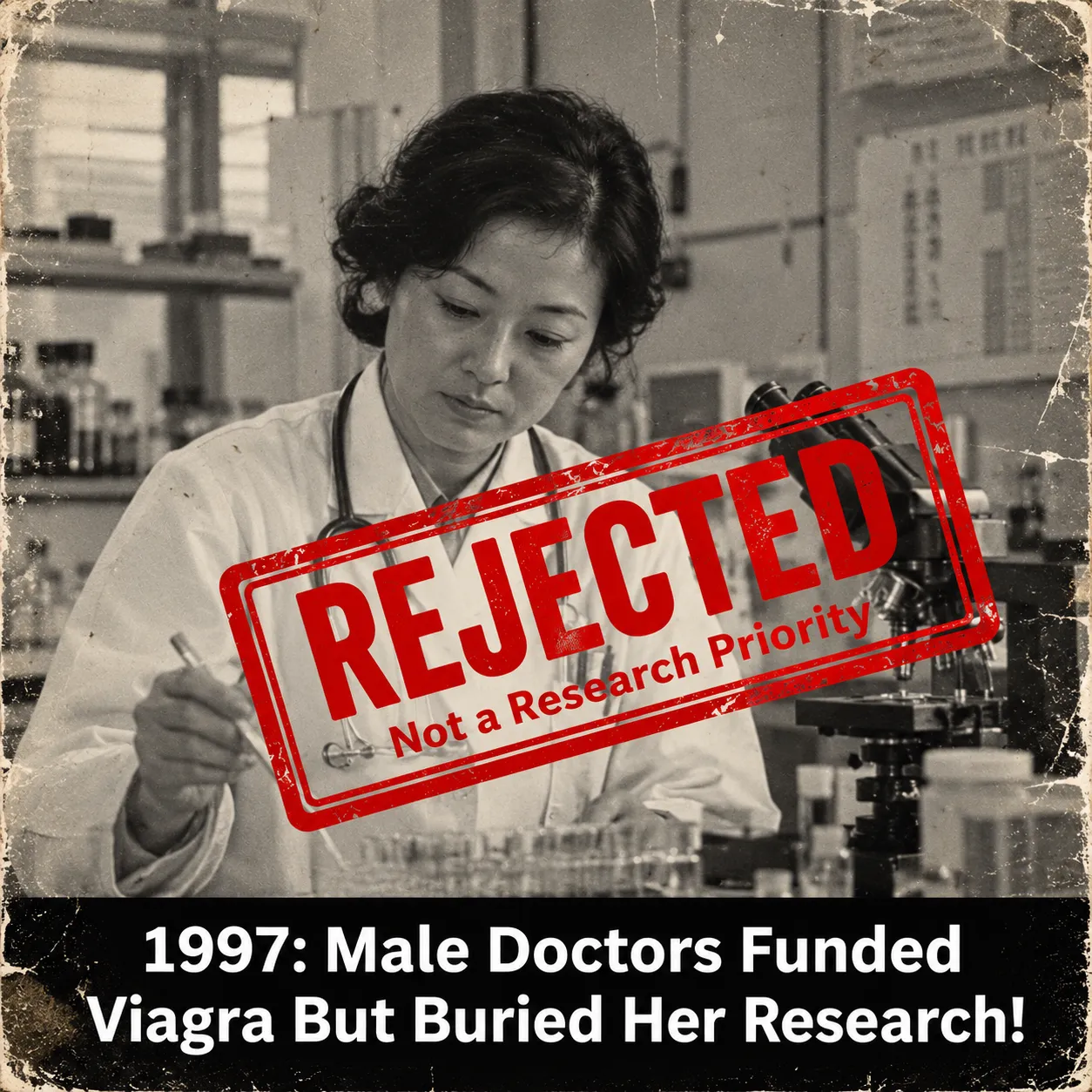
They funded Viagra. They buried her.
Women's Wellness Review
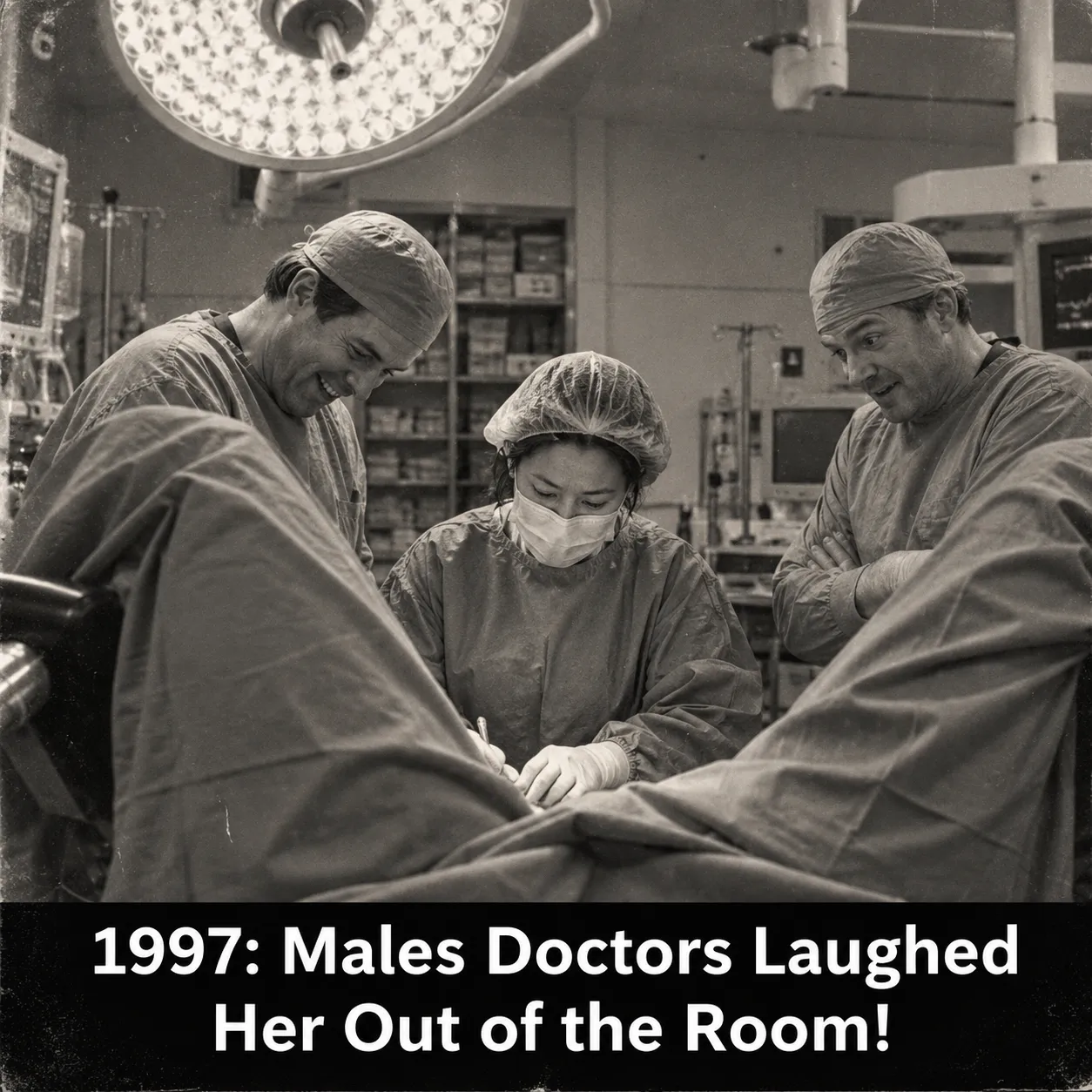
They funded Viagra. They buried her.
Women's Wellness Review
Watch this before buying Bloomin...
Women's Wellness Review
What most doctors don't tell you after a hysterectomy
Women's Wellness Review
What most doctors don't tell you after a hysterectomy
Women's Wellness Review
What most doctors don't tell you after a hysterectomy
Women's Wellness Review
Nature's Power In Every Gummy!
Women's Wellness Review
All-natural menopause relief
Women's Wellness Review
All-natural menopause relief
Women's Wellness Review
All-natural menopause relief
Women's Wellness Review
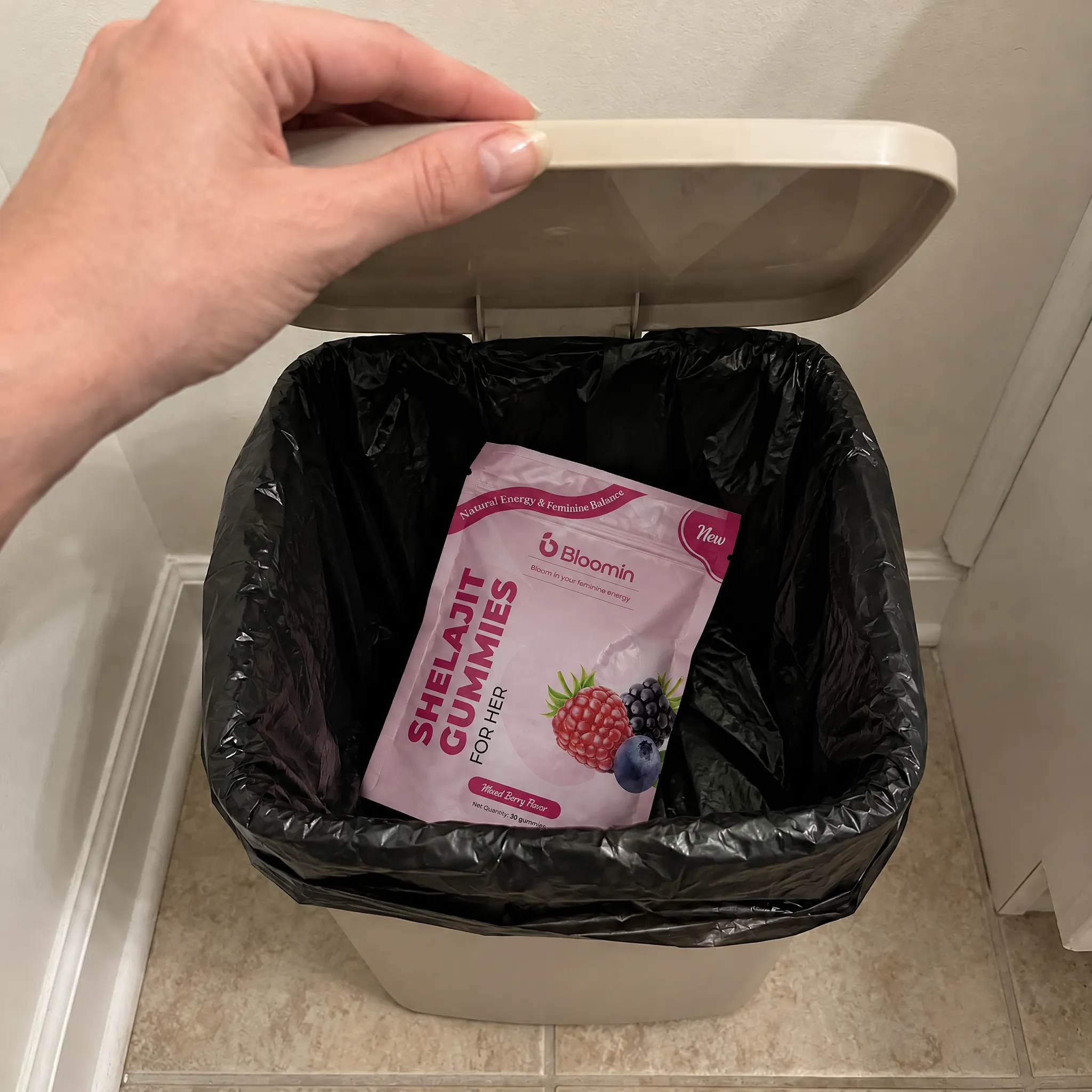
Try it risk free at 50% off
Women's Wellness Review
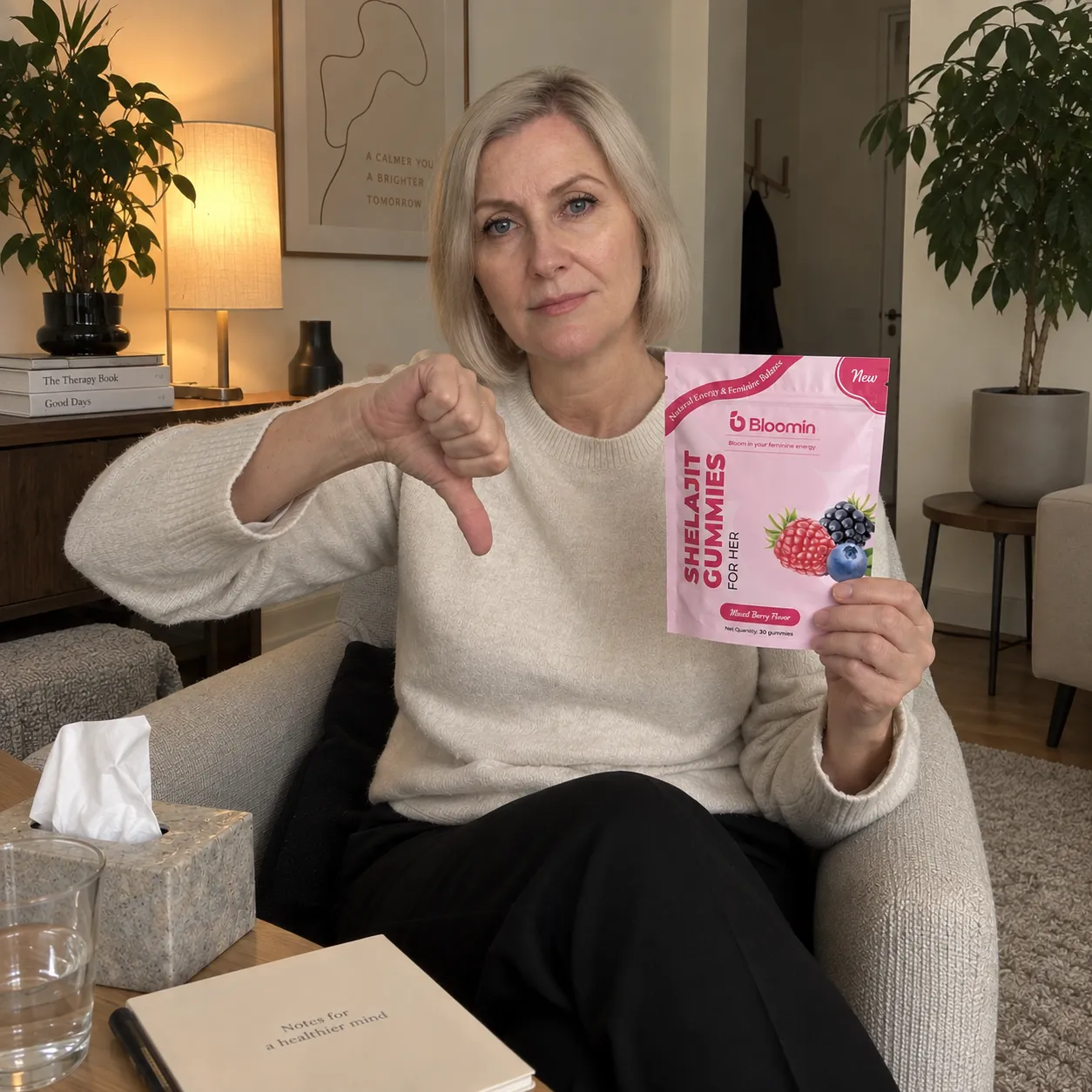
I was lied to...
Women's Wellness Review

 Add to Chrome