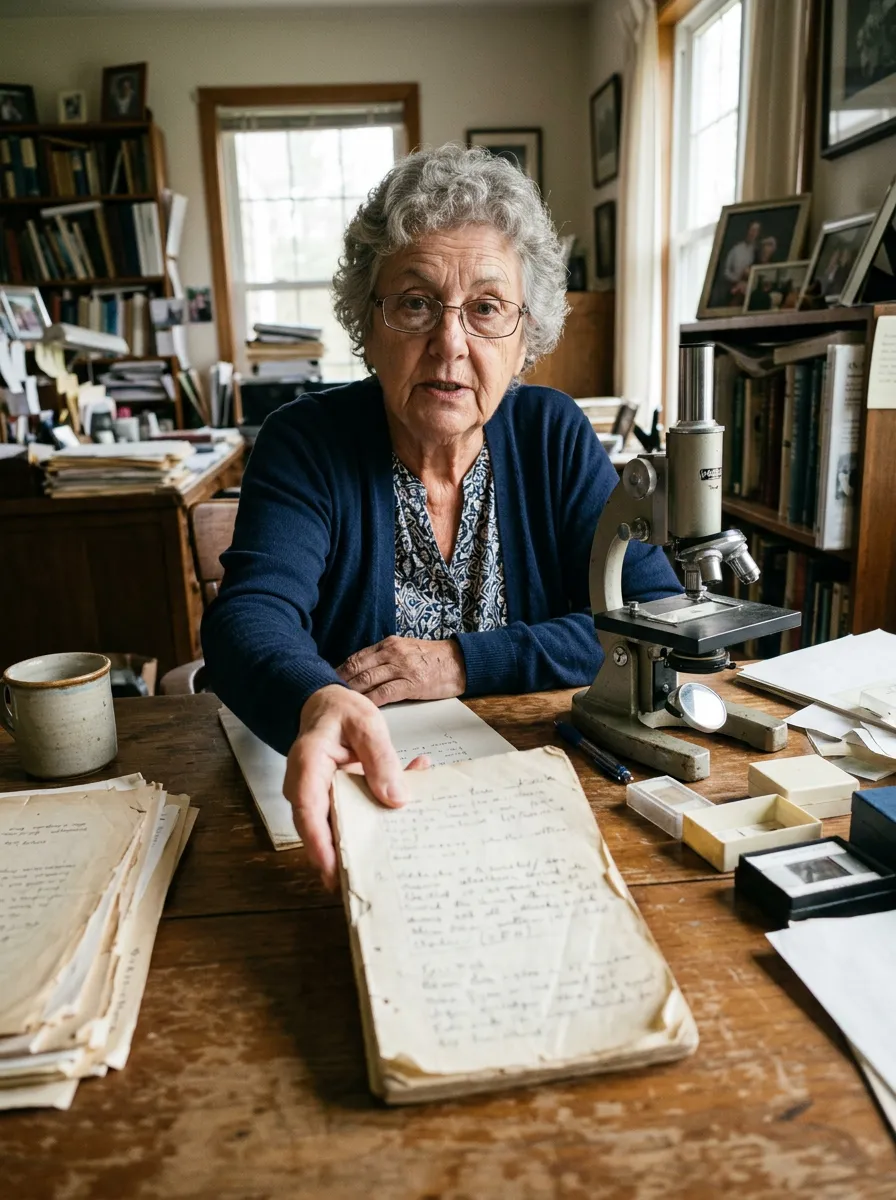
She Spent 27 Years Seeing What Others Missed
Ad Copy
I spent 27 years as a pathologist examining bodies after death. I performed thousands of autopsies on people of every age, from young adults in their twenties to men and women in their eighties. And I'm about to tell you something I wish more people understood about intestinal parasites. My husband told me to leave it alone. I'm retired now. Nobody's career is on the line anymore, not mine, not the gastroenterologists', not the hospital's. But I'm 62 years old, and I spent too many years looking at things inside the human body that the person had never known were there. So here it is. When you examine a body after death, you don't just read what was written on the medical chart. You open the body. You examine the organs. You look inside the stomach and intestines. You take tissue samples and put them under a microscope. You sometimes find things that never appeared on a blood test or an abdominal scan while that person was alive. And in 27 years, across thousands of examinations, one finding stayed with me more than I expected. Intestinal parasites. Not in every body. Not even in most of them. But in people who had spent months complaining about stomach pain, loose stools, exhaustion, and unexplained weight loss, finding a parasite that nobody had identified while they were alive was difficult to forget. Roundworms inside the intestine. Eggs that were too small to see without a microscope. Inflammation around the intestinal lining. In certain infections, damage caused by organisms feeding, attaching, or moving through tissue. Problems that could have been building for months. Sometimes longer. I found parasites in people who had traveled overseas and in people who had never left the United States. I saw them in patients with obvious digestive symptoms and in people whose infections had caused few noticeable symptoms at all. I saw older patients whose families remembered months of stomach trouble. I saw younger patients who had been treated for conditions that later turned out to have more than one cause. I found them in schoolteachers, construction workers, retirees, and people whose families stood in my office and told me, "But she went to the doctor. She had the bloodwork. She tried the probiotics. They told her it was probably something she ate." Everything they knew to do. Every certificate still had to state what the evidence supported. Heart disease. Cancer. Respiratory failure. Complications of an underlying illness. A parasite finding didn't automatically change the cause of death. But sometimes it explained a piece of the patient's history that had never made sense. And those were the cases I kept thinking about. I want to tell you about the two times I almost said something beyond what my report required. And why I didn't. It was 2001. Four years into my career. Her name was Halle Barbara. 53 years old. Retired schoolteacher. She had been dealing with stomach problems for nearly six years, and her doctors had tried to work out what was causing them. Bloating. Cramping after meals. Bowel movements that changed from one week to the next. A tiredness that never seemed to go away. Halle did what she was told. She stopped eating dairy. Cut down on bread. Started taking probiotics. Kept a food diary. Her doctor checked her thyroid, blood sugar, and iron. She had appointments with a stomach specialist. Some of the changes helped. None explained everything. Her husband said she had started losing weight without trying. At first she was pleased. Then she realized her clothes were getting loose even though she wasn't dieting. She would sit down to eat dinner and push the plate away after a few bites because her stomach hurt. Her husband kept asking whether she was eating enough. Halle kept saying she was fine. Halle's husband found her at their kitchen table one Tuesday morning after she had become suddenly, seriously ill. Emergency services were called, but she died despite their efforts. Her death was not caused by an ordinary intestinal worm infection. The examination found a separate, serious medical condition. But when I examined her intestines and reviewed tissue sections, another finding appeared. Evidence of an intestinal parasitic infection. I remember looking at the slide twice. The first time because I wanted to be certain what I was seeing. The second because I had read the notes about six years of digestive complaints. Six years of trying to understand the bloating, abdominal cramps, and weight loss. A parasite had been present. Whether it explained all those symptoms was impossible to prove from the autopsy alone. Halle's husband sat in my office three days later and asked me, quietly, if I had any idea why his wife had felt so miserable for so long. And I almost told him everything I was thinking. The years of stomach complaints. The weight loss. The finding in her intestine that had not been identified while she was alive. But an autopsy is not permission to turn every finding into an explanation for a person's entire medical history. I could tell him what we had found. I could not honestly tell him that treating the parasite would have saved her life. I was 36. I had three kids and a mortgage and a job that required me to be precise about what I knew and what I didn't. I had been taught that a pathologist's job was to report the evidence, not fill the gaps with a story that sounded convincing. So I told Halle Barbara's husband what the examination showed. I explained what it could mean and what it couldn't prove. I told him I was sorry for his loss. And I carried a question I couldn't shake. How many patients with months of unexplained digestive symptoms had actually been evaluated for the parasites their history made plausible? I went home that night and started a notebook. Not for anyone. Not for court. Just for me, because I wanted to understand the cases that stayed with me. Every patient. The date. The age. What the medical history said. What the examination found. Whether anyone had considered a parasite infection. Fifteen years later, I examined another patient who brought that notebook back to my mind. His name was Michael Reyes. It was 2016. 47 years old. Elementary schoolteacher. Married 22 years. Two daughters in high school. Big man. The kind who made a room feel safe just by walking into it. Michael was not Halle. Michael had been dealing with intestinal trouble for years. He had been told he might have irritable bowel syndrome. He had tried a low-FODMAP diet. Taken Align probiotics. Used Metamucil to regulate his bowel movements. Tried peppermint oil capsules after reading about them online. His stomach had improved for a while. Then the symptoms returned. He would get cramps that sent him to the bathroom halfway through dinner. Some mornings he had loose stools before he even finished his coffee. Other days he felt constipated and bloated. His wife said the hardest part was his energy. He used to spend Saturday mornings coaching his daughters' softball team. Now he'd come home from school and fall asleep in his chair before eight. His doctor checked his bloodwork. Some tests were normal. Others required follow-up. And because he had several health problems, the appointments became a long series of questions without one simple answer. Michael died after a separate, serious medical emergency. His family consented to a postmortem examination. When I examined his intestines, I found evidence of a parasitic infection that had not appeared in the records I'd been given. Not a little piece of information I could just ignore. There was inflammation in the intestinal tissue, and the microscopic findings required further identification. I stood at that table for a long time. Because Halle had been told she might have a food intolerance. Michael had been told his symptoms might be irritable bowel syndrome. Two different people. Different ages. Different medical histories. And both had an intestinal parasite finding that had not been identified during their years of digestive complaints. That didn't mean the parasite had caused either death. It didn't mean every symptom came from the infection. But it meant there was a question that deserved attention. And that was the moment I started looking more closely at which patients had actually been tested for parasites and which hadn't. I added a new column to the notebook that night. Travel history. Stool testing. Type of organism, when identified. Whether the person had received treatment. Whether follow-up testing had been done. By the time I retired six weeks ago, that notebook had grown into a thick collection of cases and observations. Names I remembered. Families I remembered. People who had spent months trying to understand what was happening to their bodies. That's what I carried for 27 years. Here's where it stopped being something I studied at work and became something I had to deal with in my own house. My husband, David. We have been married 34 years. He's 60. Retired high school science teacher. Walks five miles every morning. The healthiest person in any room he walks into. Or at least that's how I used to describe him. Last year he started having stomach trouble. At first it was occasional. A cramp after dinner. A loose bowel movement in the morning. Bloating that made him loosen his belt after a meal. He thought he'd developed a problem with dairy. He stopped putting milk in his coffee. Started buying lactose-free yogurt. That helped a little. Then the symptoms came back. His primary care doctor checked his bloodwork and asked about his bowel habits. They discussed food intolerance, medication effects, and other possible causes. David came home and asked me what I thought. I looked at the notes. I thought about the cases in my notebook. I thought about Halle Barbara's husband sitting across from me in 2001. I thought about Michael Reyes's wife describing the years of stomach problems. I told David to follow the doctor's plan. I want you to understand why that decision bothered me later. I had spent 27 years examining the digestive tract and seeing how many different things could cause the same symptoms. And when my own husband was standing in the kitchen asking me why his stomach had stopped behaving normally, I couldn't give him a clear answer. Because I didn't have one. He followed the advice faithfully. Cut out dairy. Reduced greasy foods. Kept a food diary. Started taking a probiotic every morning with breakfast. Six months in, the trouble hadn't gone away. The tiredness after meals. Not bad at first. Just enough that he would sit down after dinner and be asleep in his chair by eight. He joked about it. "Getting old." I didn't joke back. Then the belly. His stomach would feel tight by dinnertime. Sometimes he'd sit through the entire meal with his belt loosened one notch. He said it felt like gas was trapped inside and wouldn't move. Then the bathroom trips. Some mornings he'd be back and forth between the kitchen and the toilet three times before nine. Other mornings he couldn't go at all. Then the weakness. He came home from his walk one morning and sat down on the front steps because his legs felt shaky. His doctor arranged further evaluation. They discussed stool testing because David had a history of travel and untreated-water exposure. And that was when I realized how much I'd been waiting for someone else to ask the question that had been sitting in my own notebook for years. I knew what I was looking at. Not the diagnosis. I couldn't know that yet. But the pattern of symptoms that meant a parasite infection belonged on the list of possibilities. The hard belly. The cramps after meals. The alternating bowel movements. The unusual fatigue. All things I'd seen in patients with many different conditions. Including some with parasitic infections. David was showing symptoms that needed a real investigation. I had only ever seen the final answers from people who weren't alive to explain how they'd felt. I sat in our living room that night watching David hold the newspaper at arm's length and give up on it. And I felt the full weight of 27 years of knowing how much a person could suffer before anyone found a clear explanation. I was not going to sit and watch my husband become weaker without asking every reasonable question. Not David. Not after everything I had seen. I did what any wife would do when her husband was disappearing in front of her. I started with the things we could discuss with his doctor. We reviewed his medications. We reviewed his diet. We went over his travel history again. And while we waited for the test results, I tried to understand why so many people with persistent digestive symptoms were buying the same handful of herbal products. Wormwood drops. Black walnut capsules. Clove oil. Pumpkin seeds. David had seen the same products advertised online. He asked me whether he should try them. I told him I didn't know enough about their safety or effectiveness to recommend taking them alongside his medications. So instead of guessing, I wrote down the ingredients. Wormwood. Black walnut. Pumpkin seed. Clove. And I started reading. Six weeks. His belly was still uncomfortable by dinner. The cramps still came and went. His energy was still gone by eight. I sat at the kitchen table one morning with the list of herbs in front of me and understood how easy it would be to grab the first product that promised an answer. I had spent 27 years seeing what real intestinal disease looked like inside the human body. And I still had no evidence that swallowing one of these herbal mixtures would clear a diagnosed parasite infection. I was the right woman to understand the pathology. I was not the right woman to make claims that hadn't been proved. I needed more information. I went into my office that night and closed the door. I opened my laptop. I typed "intestinal parasite treatment and traditional herbs" into Google. I went down the rabbit hole. Not because I wanted to. Because David's follow-up appointment was scheduled in eight weeks and I was watching him lose the energy he'd had for most of his adult life. Medical journals I still had access to. Gastroenterology papers. Studies examining wormwood extracts. Research on pumpkin seed compounds. Old herbal manuals describing black walnut and clove. Discussions from people who had been treated for confirmed infections and were still trying to work out why their stomachs hadn't returned to normal. And one thing kept coming up. People were treating "parasites" as if it were one disease. But it isn't. A pinworm is not a roundworm. A tapeworm is not Giardia. Strongyloides is not Ascaris. And ivermectin, albendazole, mebendazole, and praziquantel do not all work the same way or treat exactly the same infections. One organism can require a different drug, dose, or follow-up plan from another. Some infections can come back through reinfection. Some cause symptoms that continue even after the infection is treated. And other symptoms that people blame on parasites have nothing to do with parasites at all. But I couldn't understand why certain traditional herbs had become so closely associated with intestinal worms from modern research papers alone. The information was scattered. Different plants. Different compounds. Different parasites. Different kinds of experiments. Then I found a discussion on an herbal-history forum. The title caught my attention. "Why did our grandparents use wormwood and pumpkin seeds for intestinal worms?" I almost scrolled past. Something made me click. The post was from a woman whose grandmother had grown medicinal herbs for most of her life. She described how her family used to dry wormwood leaves, collect black walnut hulls, and keep cloves and pumpkin seeds in the kitchen. Not as a modern substitute for medical care. As part of a tradition that had survived from a time when medicines for intestinal worms were far less accessible. Comment after comment. Stories. Old recipes. Photographs of handwritten notebooks. Descriptions of plants that had been used for centuries. Someone posted a name. Kumari. An older woman who lived in a small community in central New Jersey and maintained an extensive collection of traditional herbal preparations. People in the thread said she knew the history of these plants better than anyone they had met. I looked at the clock. 2:39 AM. By 5:30 AM I was in my car. By noon I was in New Jersey. I didn't have much to go on. Just a town name, a telephone number I'd managed to find through the community, and an appointment arranged earlier that morning. I drove until I reached a small house with a garden full of plants. Tall stalks of wormwood. Herbs growing in wooden boxes. A little tree beside the porch. There was an older woman outside. Had to be pushing 80. Small. Thin. Dark hair pulled back with gray streaks running through it. She was sorting through dried leaves in a large wooden bowl on her lap, her fingers moving so fast they blurred. I parked and walked up to the porch. "Excuse me," I said. "I don't want to bother you. Are you Kumari?" She looked up with sharp, clear eyes. "Yes." "My name is Olivia. My husband is David. He's been having stomach problems for months. I've spent most of my life working as a pathologist, and I've examined more intestines than I can count. But I'm trying to understand something about the traditional plants people used for worms. I read a thread online. Your name was in it. I drove here because I hoped you could help me understand." She set down the bowl. Looked at me for a long moment. "You came all this way to ask about wormwood?" "Yes." She smiled. "Come inside." Her kitchen smelled like cloves and cardamom and rising bread. She poured me a cup of tea without asking. Pulled out a chair. "Tell me about your husband." I told her everything. The stomach cramps. The bloating after meals. The changes in his bowel movements. The exhaustion that put him asleep in his chair every evening. The food diary. The probiotics. The appointments. The tests we were waiting for. And the hours I'd spent reading about intestinal parasites and traditional herbs. She nodded through every symptom like she was checking items off a list she already had in her head. When I finished, she was quiet for a moment. Then she said: "Your husband needs to know what he has before he knows what will help." I blinked. Not what I expected her to say. "The stomach cramps tell you he has stomach cramps. The bloating tells you he's bloated. The tiredness tells you he's tired. They don't tell you which worm is there, or whether there is a worm at all." "I know," I said. "I spent my career examining people after death. I'm not a stranger to intestinal disease." She smiled. "Then you know more than most. But you also know that the stomach can complain about many different things in almost the same way." She folded her hands on the table. "There are two separate questions in your husband's case. What is making him sick? And which treatment actually works for that cause?" She held up two fingers, separated. "If a person has a parasite, the first question is which parasite. Because one medicine does not work for every organism. And if a person doesn't have a parasite, swallowing herbs won't make the real problem go away." She paused. "That's why I don't like when people say they have parasites because they're bloated." I stared at her. "Some worms live in the intestine. Others move through the body during part of their life. Some attach to tissue. Others live in the intestinal contents. Some infections are diagnosed by eggs in stool. Others need different tests." She leaned forward. "And when people say a treatment didn't work, there are several different things that might mean. The wrong organism was treated. The person was exposed again. The treatment wasn't completed properly. Or the infection cleared and the remaining symptoms came from something else." My chest tightened. Because this was the kind of careful distinction I'd been making in pathology for decades. And somehow, watching David get weaker had made me want one simple explanation for everything. "That is why buying ivermectin without knowing what parasite you're dealing with makes no sense," she said. "And neither does buying five herbs and calling that a complete cure." She looked me straight in the eye. "Ivermectin is a real medicine. For the parasites it treats, it can be very useful. But its name alone doesn't tell you whether it's the right medicine for your infection." She reached across the table. "Now here is why these old plants interest me." She stood. Walked to a shelf along the wall. Pulled down a dark glass jar. Inside were dried green-gray leaves with a strong bitter smell. "Wormwood," she said. Then she took down a second jar. Dark, broken pieces of dried walnut hull. "Black walnut." A third jar. Whole cloves. And a fourth. Dried pumpkin seeds. "Four plants," she said. "Not one magic plant. Four different things people used in different traditions for different reasons." She placed them on the table. I leaned forward. She picked up the wormwood. "This plant contains bitter compounds. People have used it in traditional digestive preparations for a very long time. Researchers have also studied compounds from wormwood for possible effects on parasites." She put it down. Picked up the walnut hulls. "Black walnut contains a compound called juglone. Scientists have studied it in laboratories because it can affect living cells. But that doesn't mean swallowing black walnut automatically kills intestinal worms safely." She reached for the pumpkin seeds. "These are interesting too. Pumpkin seeds have been used in traditional worm remedies in several countries. Researchers have looked at whether compounds in the seeds might interfere with how some worms move." She held one between her fingers. "A worm that cannot move normally may have trouble staying attached or resisting the movement of the intestines." I nodded. At least that was an explanation I could follow. Not "pumpkin seeds flush everything out." Not some vague promise about detoxing the gut. A specific question about worm movement. But she continued. "Much of that work isn't the same as a good clinical trial in humans. You need to know that." Then she picked up a clove. "And cloves contain eugenol. That's the compound responsible for much of their smell. Researchers have tested clove compounds against different organisms in the laboratory." She put the clove down. "But a laboratory dish is not a person's intestine." I stared at the four jars. "So the old combination is worth studying," I said. "Yes." "But we can't assume it works like a prescription." "No." "And we can't assume taking four things means we cover every stage of every worm." She smiled. "Exactly." I asked her about something else I'd read. Biofilm. She nodded. "Biofilms are real. Microorganisms can form protective communities that change how they respond to their surroundings. But people online use that word as if every worm is hiding inside a shell that no medicine can reach." She shook her head. "That's not a claim you can make about every human intestinal parasite." I thought about the websites I'd read. The ones saying parasites build an invisible fortress. That every treatment fails because the eggs are protected behind biofilm. That a particular combination of herbs can break through and destroy every adult, larva, and egg. It was a compelling explanation. But I hadn't found clinical evidence showing that a daily herbal softgel accomplished all of that in humans. "Then what do you think about the formulas being sold now?" I asked. She smiled. A small smile. "Some are simply modern ways of putting traditional plants together." She opened one of her notebooks. "For generations, people used these herbs because they were available. They prepared them in teas, powders, and other mixtures. Some plants had real biological activity. Some preparations were too weak. Others could be harmful if people took too much." She turned a page. "Today you can buy them in capsules instead of measuring bitter powders yourself. That's convenient. But convenience isn't the same as proving that the formula treats an infection." She stood. Walked to another shelf. Pulled down a bottle. "This is the kind of thing I mean." I told her David had already looked at wormwood capsules online. She must have read my face. "It's not that every wormwood supplement is useless," she said. "It's that people see one ingredient and immediately expect it to solve every problem." She held up the bottle. "And sometimes they don't even check what else is in it." I asked whether the combination had to be prepared a special way. She shook her head. "There are different ways to prepare botanical ingredients. But any company claiming that its delivery system reaches parasite eggs or breaks protective barriers has to prove that. You can't tell from the color of a capsule." She paused. "There is a company my niece told me about. They put wormwood, black walnut, pumpkin seed, and clove together with other botanical ingredients. It's a softgel, not the bitter mixtures people used to prepare at home." She wrote the name on a piece of paper and handed it to me. Holior. I looked it up that afternoon from a rest stop on my drive back. The product page showed the familiar ingredients. Wormwood. Black walnut. Pumpkin seed. Clove. The same four plants I'd just seen spread across Kumari's kitchen table. The difference was that Holior put them together with additional ingredients in one supplement. No separate bottles of tincture. No grinding dried leaves. No spoonful of crushed seeds. No trying to work out how much of four different preparations to use. But I didn't order it for David as a treatment for his suspected infection. Not yet. Because we still needed his results. The laboratory report arrived a few days later. His doctor called. David had tested positive for a parasitic infection. Not a diagnosis based on bloating. Not something we guessed from an online symptom checklist. An organism identified through testing. For the first time in months, we had something specific to discuss. His doctor explained which treatment was appropriate and why. We followed that plan. And I kept thinking about the difference between what had happened and what might have happened if we'd simply ordered a parasite-cleanse kit the first time David complained about his stomach. We would have spent weeks guessing. We might have taken ingredients he didn't need. And we might have delayed a diagnosis that required a particular medicine. Instead, we had a name. A treatment. And a way to follow up if the symptoms didn't improve. The Holior page was still open on my laptop. I read the ingredient list again. I was curious about the combination because I'd spent so much time studying its history. But I wanted to know exactly what the product was claiming. A supplement built around traditional herbs. Not the same thing as an approved treatment for a confirmed intestinal parasite infection. I printed the ingredient list. Took it to our pharmacist. Asked whether any of the ingredients raised concerns alongside David's medications. And I kept it separate from his prescribed treatment. The original herbal recipes in Kumari's notebook were still in my mind. Wormwood leaves, dried and measured. Walnut hulls. Cloves. Pumpkin seeds. All the work of finding the right plants and preparing them. Holior had turned those ingredients into a convenient softgel. A completely different way of using the same traditional botanical names. I read the product directions. Three softgels daily before breakfast. I read through the other listed ingredients. And I checked what could actually be supported by research rather than assuming that the claims on the packaging were clinical proof. David continued the treatment his doctor had prescribed. Over the following weeks, we watched his symptoms. The first change was the cramping. He wasn't pressing his palm against his lower stomach after every dinner anymore. He still had bad days. But the cramps weren't as frequent. Then the bathroom trips. There were mornings when he could finish his coffee without getting up from the table three times. The bloating started to bother him less often. And his energy slowly began to return. I didn't attribute every change to one thing. He'd received medical treatment. He'd changed his diet. He was being followed by his doctor. And recovery isn't always a straight line. But I noticed. Because I had spent months watching him fall asleep in his chair at eight. And now there were evenings when he was still awake at ten, reading his book. One Sunday we sat down for dinner. Chicken. Roasted potatoes. Green beans. Nothing special. Halfway through the meal, I realized David hadn't reached down to loosen his belt. He'd spent so many months doing it that I'd stopped noticing. Now I noticed because he didn't. He caught me looking. "What?" "Nothing." He smiled. "You're staring." I looked down at my plate. I didn't want to turn one normal dinner into a medical event. But after months of watching him struggle through meals, it felt like one. At the next follow-up, his doctor reviewed how he was doing. They discussed which symptoms had improved. Which ones still needed attention. And whether any further testing was appropriate. He didn't tell us that a supplement had killed every worm, larva, and egg. He didn't tell us that an herbal mixture had broken through some hidden biological wall. He evaluated David's actual infection and his actual recovery. That's what I wanted. Something measurable. Something grounded in the organism we'd identified. Not another guess. And then there was the thing I still have trouble putting into words. The thing that, after 27 years of examining bodies after death, I hadn't expected to feel so strongly. I was getting to watch the person I loved recover instead of trying to explain what had happened after it was too late. That sounds simple. But when you've spent your professional life with people who can't tell you how they feel anymore, it isn't. I had examined bodies for 27 years. I had read charts full of symptoms and treatments. I had seen infections that had gone unnoticed. And I had learned the one thing that matters more than a frightening story about parasites. Know what you're treating. David was finally getting his strength back. I began reading more about traditional botanical ingredients after that. Not because I believed they could replace the treatments I had seen work in medicine. Because I was interested in the history that Kumari had shown me. And because I understood why people wanted to learn about wormwood, black walnut, cloves, and pumpkin seeds. They're not new. They're not ingredients somebody invented last year to make a supplement sound exciting. People were using some of them in traditional remedies long before ivermectin existed. But the modern version needs to be judged by modern evidence. I'm 62 years old. And I've spent too many years looking through a microscope to pretend a story is the same thing as proof. I've been retired for six weeks. I don't perform autopsies anymore. I don't write pathology reports. I don't sit across from families in my office explaining what an examination found after someone they loved has died. But I think about Halle Barbara. And Michael Reyes. And their families sitting in my office with questions about years of digestive symptoms. I think about the notes in my desk drawer. The cases where intestinal parasites had been found. The cases where no parasites were present. And all the times the symptoms looked similar even though the causes were different. And I think about David. How easily I could have treated his symptoms as another ordinary digestive complaint. How many weeks he spent trying dietary changes without a clear answer. How worried I became when his energy kept falling and his stomach problems continued. The difference was that this time I could ask questions before the end of the story. I could go with him to the doctor. We could get the appropriate tests. We could identify the organism. And we could treat what was actually there. That's why I'm telling you now. Because I finally can. The dull stomach ache you've been rubbing without noticing. The belly that goes hard by dinnertime. The four o'clock exhaustion that drops you in a chair with the evening still ahead of you. The bloating after every meal that has you loosening your belt. The mornings when you can't get away from the bathroom. The unexplained weight loss. The low iron your doctor wants to investigate. Those aren't necessarily separate problems. But they're not proof of one particular problem, either. They're reasons to pay attention. Something may be happening in your digestive tract that deserves investigation. It could be a food intolerance. It could be a bowel condition. It could be an infection. And, depending on your history, it could be a parasite. The important thing is not to guess. Especially if you've traveled, been exposed to untreated water, had contact with contaminated soil, or noticed symptoms that don't improve. A stool test may be useful in some situations. Other infections require different tests. The organism matters. And so does the treatment. I have seen what happens when a parasite is identified. And I've seen what happens when people assume every stomach problem is caused by worms without looking for evidence. Neither extreme helps. If you've already taken ivermectin and your symptoms came back, don't assume that proves the medicine failed. It may have treated the organism it was meant to treat. A different infection, reinfection, lasting irritation, or another digestive condition may need to be considered. You need to know which one. And if you're interested in the traditional herbs people used before ivermectin, understand what you're buying. Wormwood isn't black walnut. Black walnut isn't pumpkin seed. Pumpkin seed isn't clove. Each plant contains different compounds. And combining them doesn't automatically make a treatment that can kill every parasite at every stage of its life. That is the part the research still needs to establish. Holior brings those traditional botanical ingredients together in one softgel formula, along with additional ingredients marketed for digestive wellness. Three softgels daily before breakfast, according to its product directions. It's a convenient way to buy the combination without measuring out several separate herbs. And it's an option to evaluate if you're interested in botanical digestive supplements. But it is not a substitute for the medicine a doctor prescribes for a confirmed infection. And the fact that an ingredient was used hundreds of years ago does not prove it will cure a parasite infection today. I spent 27 years seeing what happens when people don't get an answer. I documented the cases that bothered me. I asked questions. I studied what I could. And I learned that the most dangerous thing isn't always a parasite hiding where you can't see it. Sometimes it's becoming so certain you know the cause that you stop looking. I'm not doing that anymore. I'm 62. I'm retired. And for the first time in 27 years, I can explain why this subject stayed with me. Intestinal parasites are real. Traditional botanical remedies are real. Modern antiparasitic medicines are real. But they're not all interchangeable. You don't get a diagnosis from a list of symptoms. And you don't get proof of a cure from a supplement label. Find out what you're dealing with. Then decide what belongs in your care. https://holior.com/products/wormwood-cc Dr. Olivia Johnson, age 62, retired pathologist P.S. I need to say this as plainly as I can, because David received prescription treatment in this story and I do not want you thinking you should replace that treatment with herbs. He followed the plan his doctor gave him after the laboratory identified the infection. That's the only version of treating a confirmed parasite infection I would recommend. If you're taking ivermectin, albendazole, mebendazole, or praziquantel, don't stop or change the treatment on your own. The right medicine depends on the organism. The point is not to fight your doctor. The point is to know what you're treating before you start swallowing something else. P.P.S. Do not assume every symptom should disappear the day after treatment. Some people recover quickly. Others need follow-up because symptoms persist, reinfection occurs, or another condition is present. If your stomach is still cramping, you're still losing weight, or you're still exhausted weeks later, don't just start another cleanse and hope for the best. Tell your doctor exactly what's happening. Ask whether repeat testing or a different investigation makes sense. P.P.P.S. The traditional ingredients are the part I keep coming back to. Wormwood. Black walnut. Pumpkin seed. Clove. People used these plants long before ivermectin existed. Researchers have investigated some of their compounds for possible effects on parasites. But human clinical evidence for a particular combination is not the same as laboratory evidence for an individual extract. That's a distinction worth understanding before spending money on any parasite-cleanse product. P.P.P.P.S. Holior combines those ingredients with additional botanicals in a softgel formula. You can review the ingredient list, directions, current price, and return terms directly on the product page. If you take medication, ask a pharmacist about possible interactions first. Natural ingredients can still cause side effects, especially when several are combined. I don't work for Holior. This is a fictional story written to explain an important distinction: parasite symptoms deserve proper investigation, and traditional herbal history should never be confused with proof of a medical cure. If someone you love has persistent bloating, unexplained weight loss, low iron, or recurring stomach problems, encourage them to seek an appropriate evaluation. Even if their first bloodwork looked normal. Even if they've already tried probiotics. Especially if they're getting weaker and nobody has explained why. https://holior.com/products/wormwood-cc
More from Olivia Johnson
Your Early Black Friday Deal Is Here
Olivia Johnson
The Scan Showed a Mass. It Wasn't Cancer.
Olivia Johnson
Her First Symptom Was a Stomachache
Olivia Johnson
The Scan Showed a Mass. It Wasn't Cancer.
Olivia Johnson
The Scan Showed a Mass. It Wasn't Cancer.
Olivia Johnson
The Scan Showed a Mass. It Wasn't Cancer.
Olivia Johnson
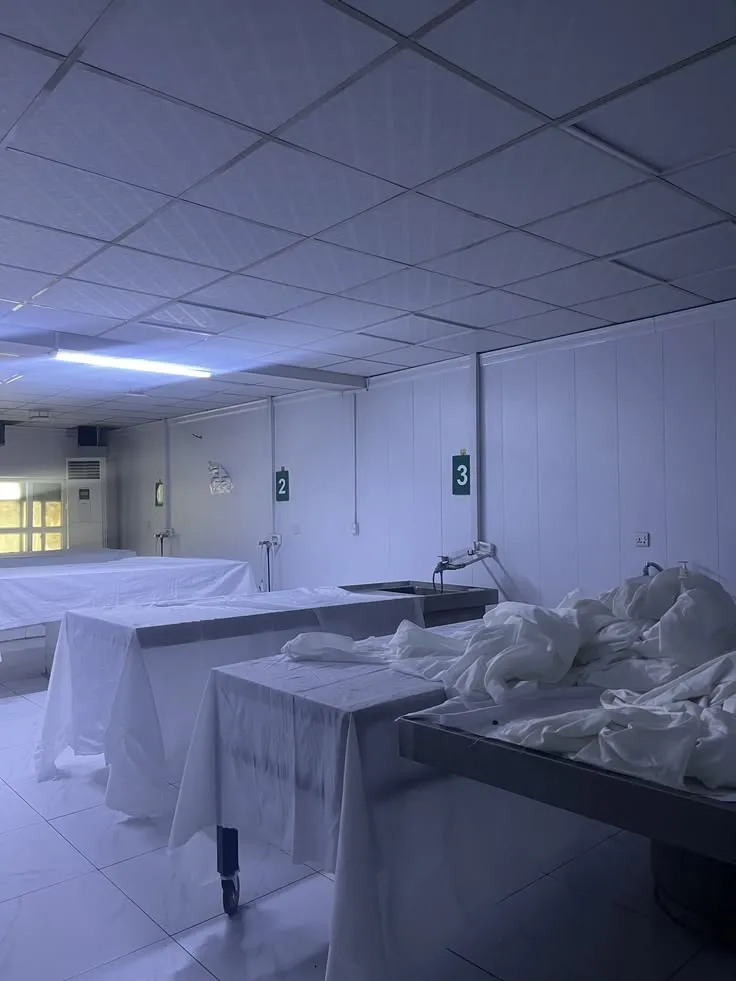
She Spent 27 Years Seeing What Others Missed
Olivia Johnson
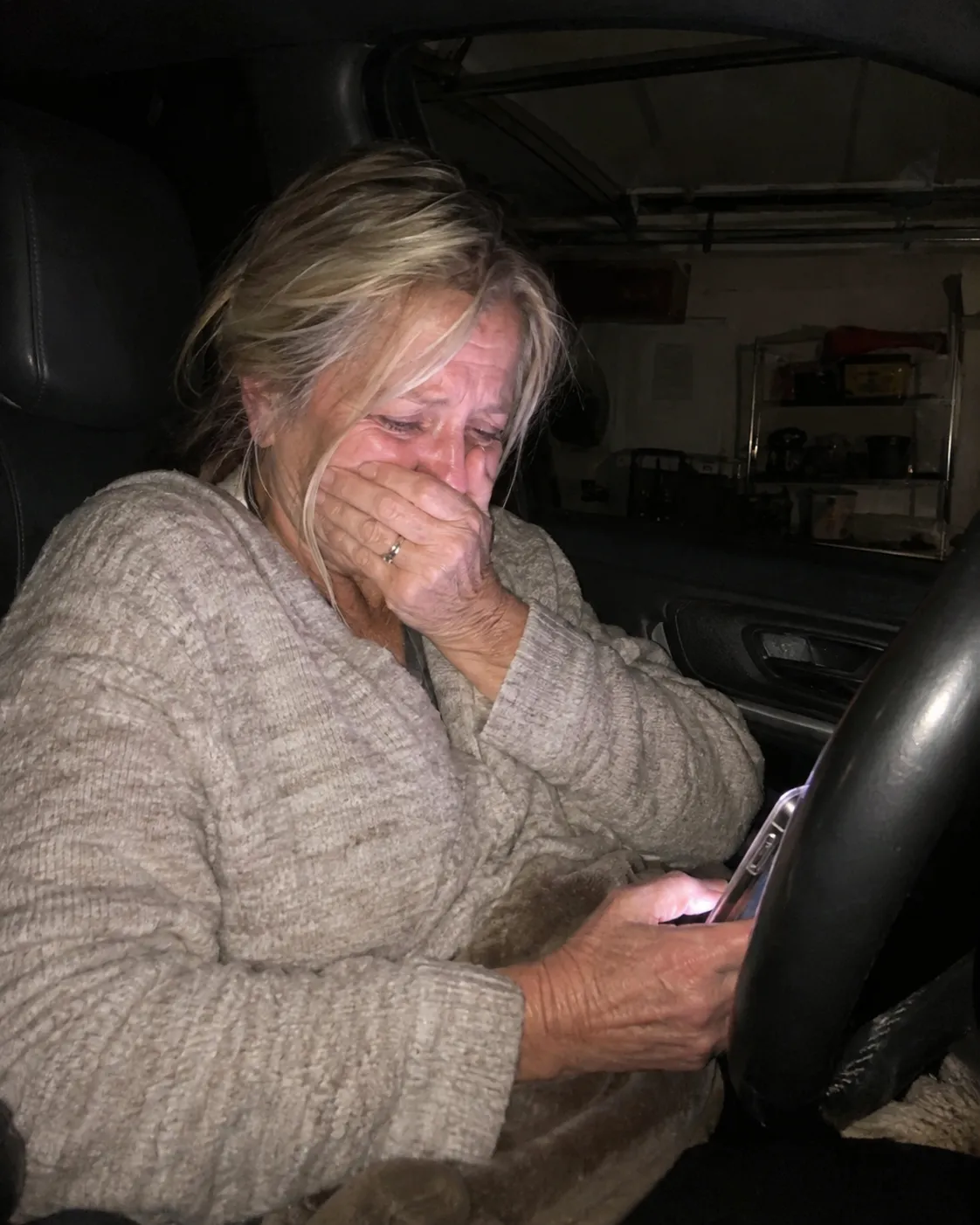
I Drove Past My Own House
Olivia Johnson
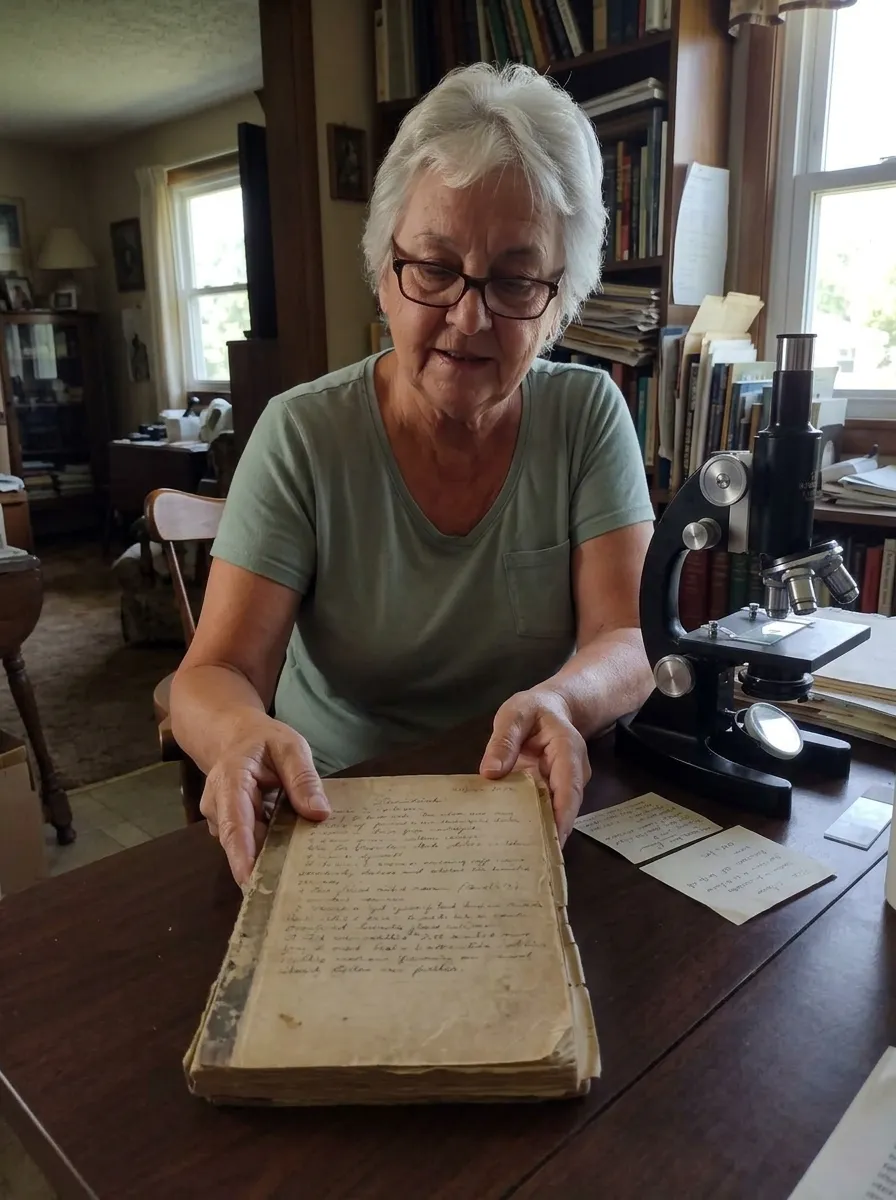
She Spent 27 Years Seeing What Others Missed
Olivia Johnson
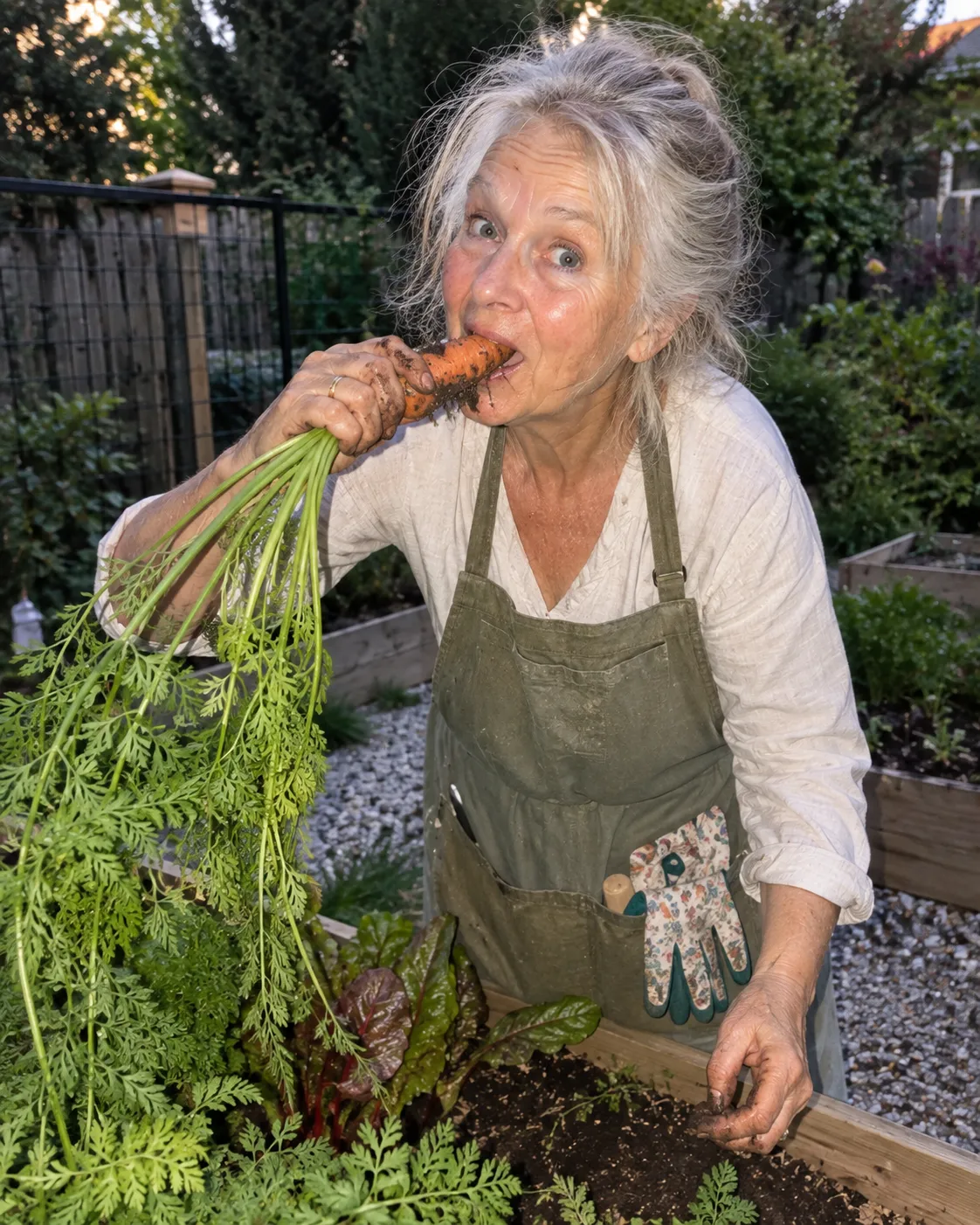
Her First Symptom Was a Stomachache
Olivia Johnson
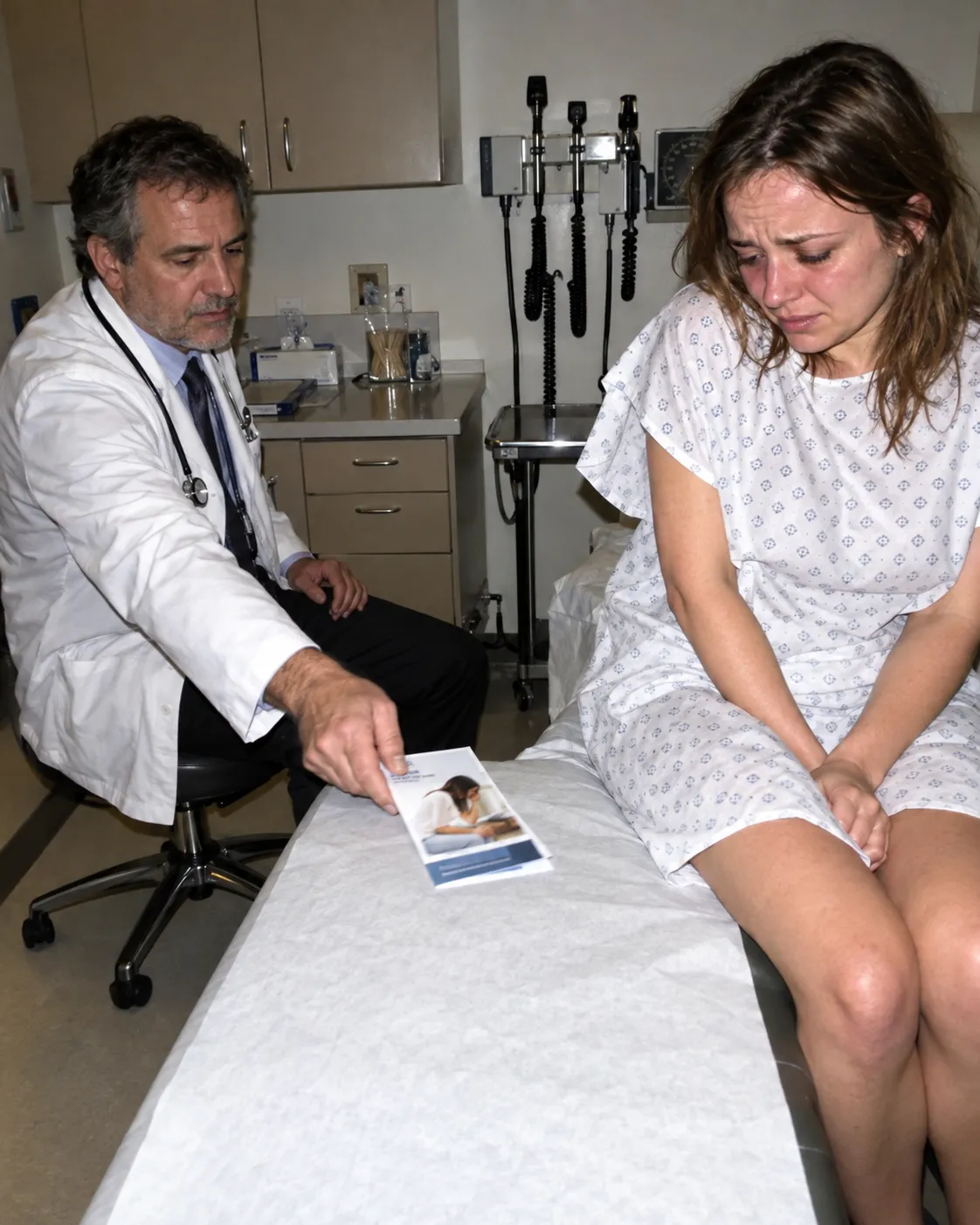
I Drove Past My Own House
Olivia Johnson
She Spent 27 Years Seeing What Others Missed
Olivia Johnson

 Add to Chrome