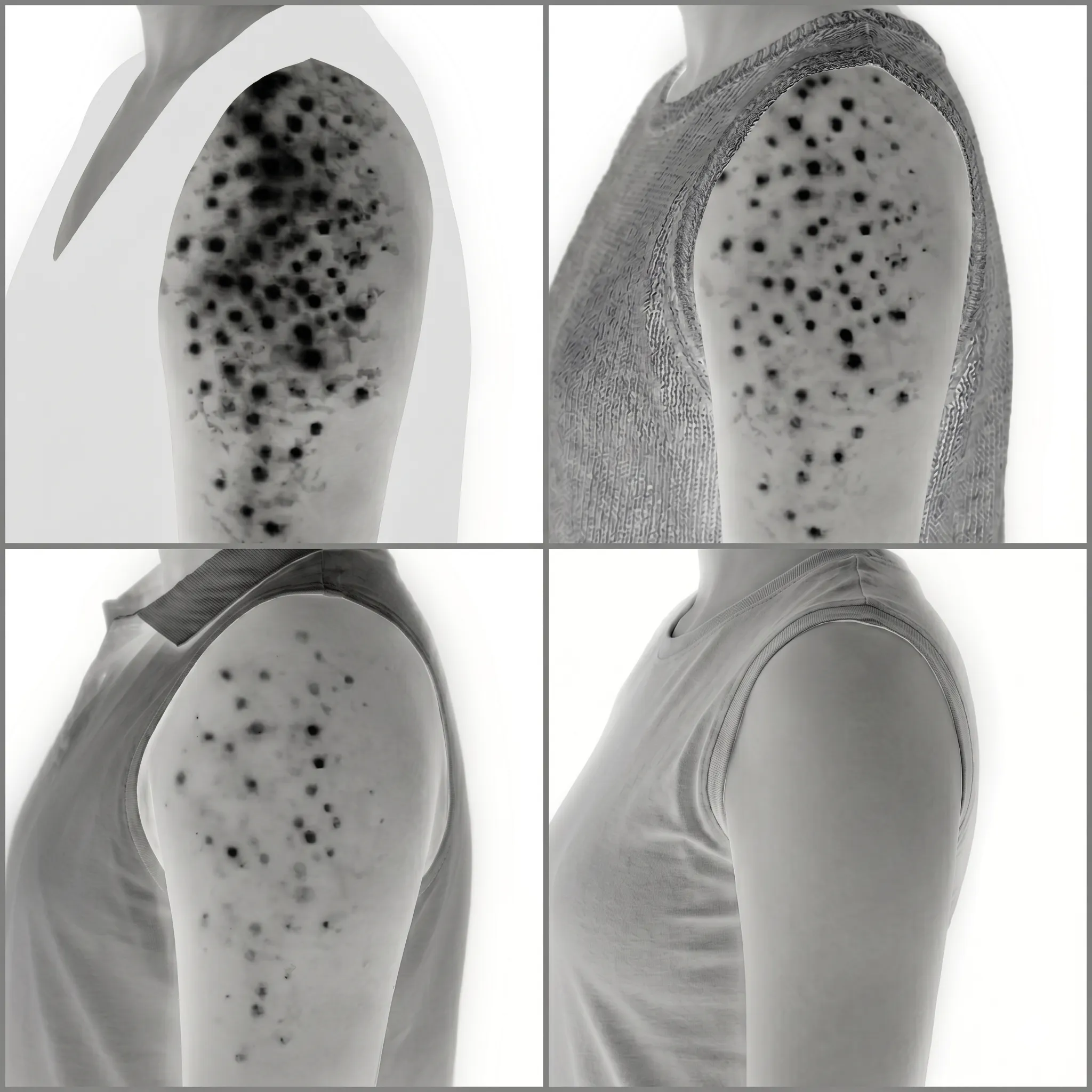
Fastest proven way to remove keratosis pilaris 👉
Ad Copy
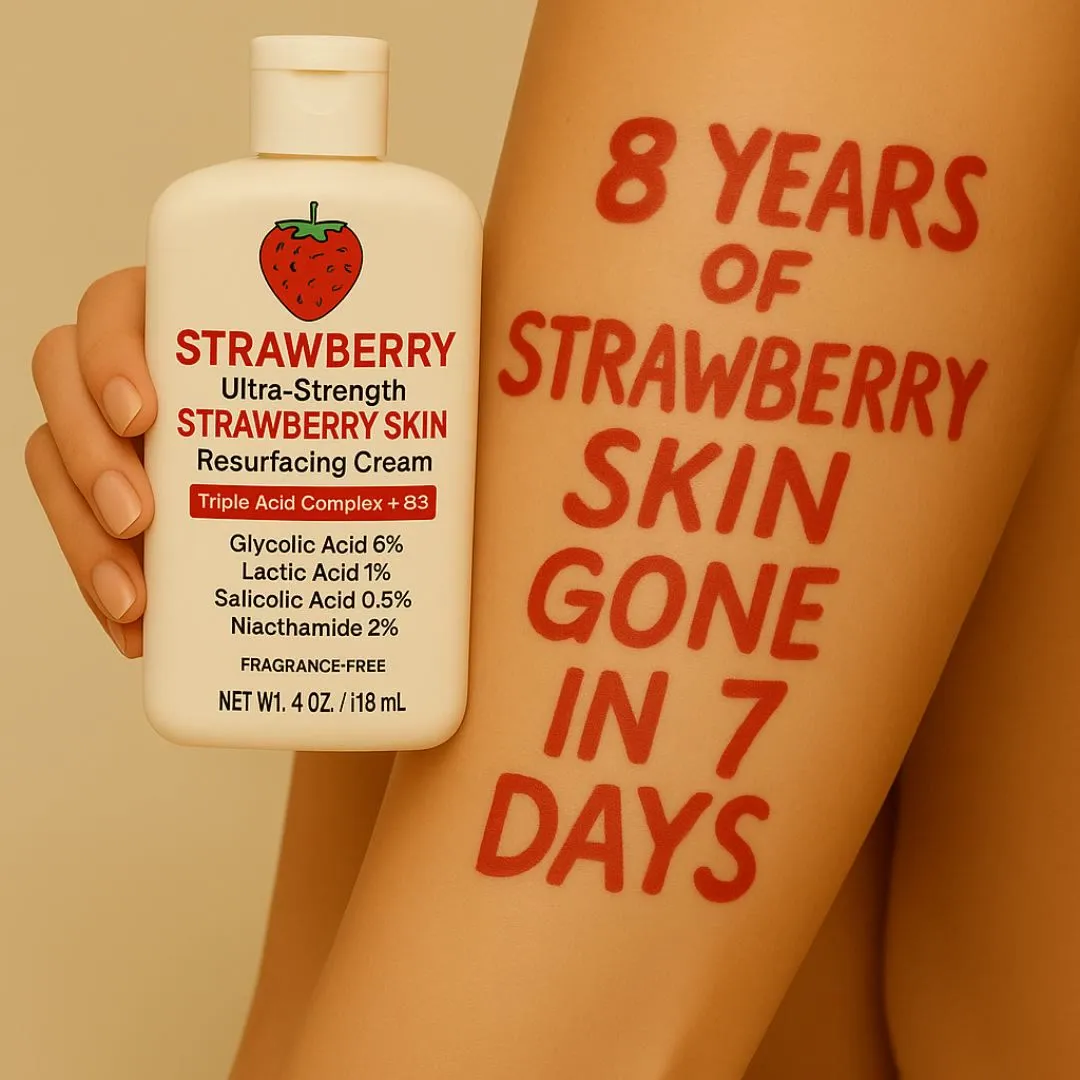
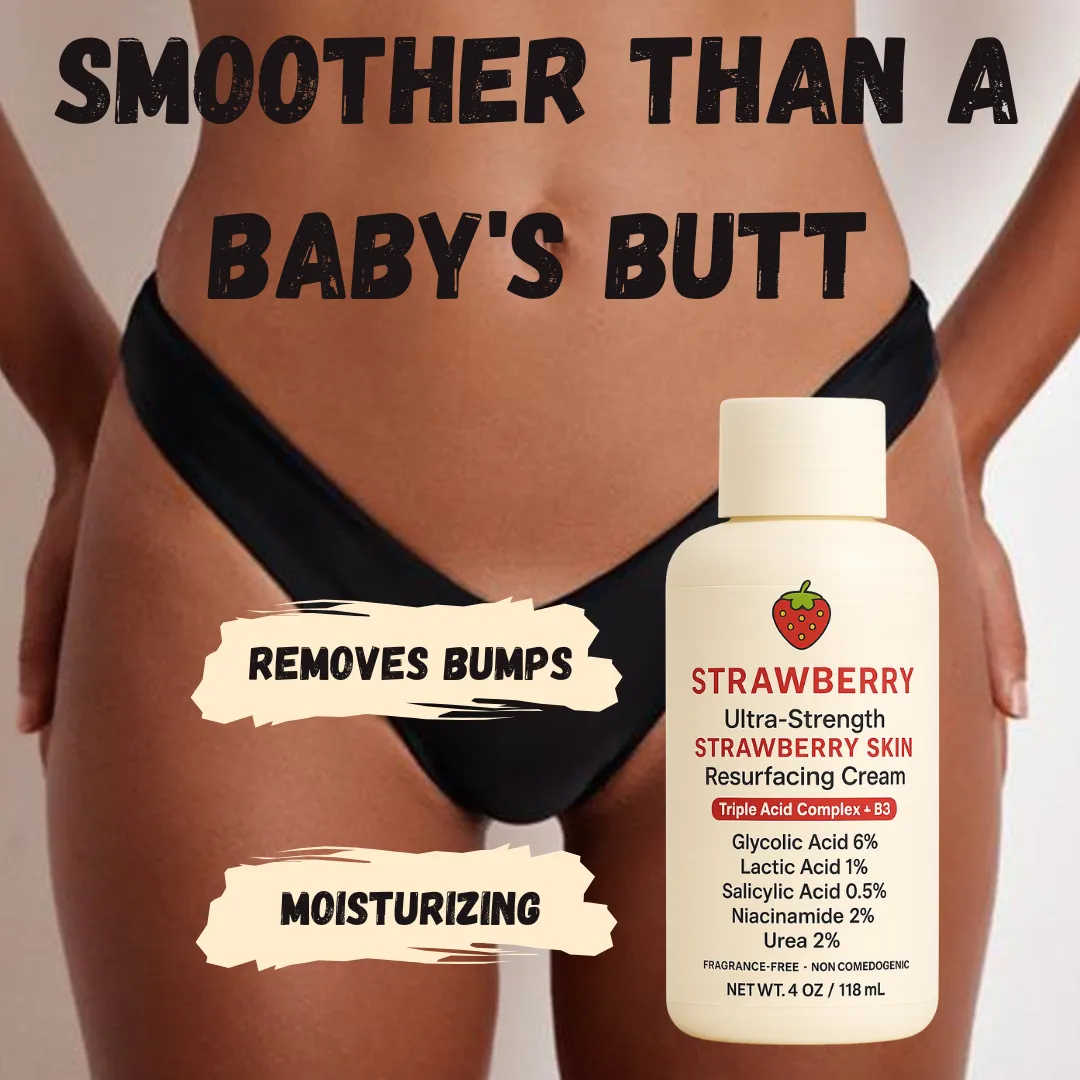
I’ve spent twelve years looking at skin most people would never let anyone else see. Backs of arms. Tops of thighs. Shoulders. The places that get covered first and shown last. And in those twelve years, the condition I’ve watched quietly wreck more people’s confidence than almost any other isn’t acne or eczema. It’s the one nobody takes seriously because a doctor once told them it was harmless. Keratosis pilaris. The rough, bumpy, red-speckled texture that shows up on the upper arms and thighs and refuses to leave no matter how much you scrub, moisturise, or exfoliate. Most people who have it were told as teenagers that it’s just dry skin, that they’d grow out of it, that it doesn’t matter. So they spent years treating it like dryness. Slathering on lotion. Scrubbing harder in the shower. Watching it stay exactly the same, or flare angrier and redder the more aggressively they came at it. And the reason none of it worked is that they were treating the wrong problem the entire time. A few years ago I started putting KP-affected skin under MRI imaging, so I could stop guessing from the outside and actually see what was happening beneath the surface. An MRI shows you the follicle in cross-section, layer by layer, all the way down. And what it reveals changes how you understand this condition completely. Because when you scan a normal hair follicle, you see a clean, open channel. The hair comes up, dead skin cells shed and clear away, everything flows. When you scan a follicle affected by keratosis pilaris, you see something else entirely. You see the follicle plugged solid. Stuffed with a dense, compacted mass of keratin, the structural protein your skin and hair are built from. In KP, the body produces too much of it and fails to shed it properly, so it accumulates inside the follicle and hardens into a plug. Often there’s a coiled hair trapped underneath, unable to break through. And ringing that plugged follicle is a halo of inflammation, the perifollicular redness that gives the condition its “strawberry skin” look. That plug is the bump you feel. That inflammation is the redness you see. And that is the whole reason scrubbing has never worked for you. When you scrub the surface, you’re attacking the roof of the problem. The plug doesn’t live on the surface. It lives down inside the follicle, below where any scrub or washcloth can reach. So you abrade the top layer of skin, trigger more irritation, redden the area further, and the keratin plug sitting underneath stays completely untouched. You feel like you’re doing something. The scan shows you’re doing nothing to the actual cause. This is the single most common mistake I see, and people make it for years. What actually clears a keratin plug is not abrasion. It’s dissolution. You have to break the bonds holding that hardened keratin together so the plug loosens, releases, and finally clears out of the follicle from the inside. And that takes specific acids, at specific strengths, that reach the exact depth where the plug sits. Four of them, each doing a job the others can’t. Glycolic acid is the smallest acid molecule in skincare, small enough to sink down to the keratin buildup and dissolve the bonds packing those dead cells together. It goes straight at the plug, the core of the whole problem. Salicylic acid does what glycolic can’t. It’s oil-soluble, so it slips inside the follicle, through the sebum, right to where the plug is lodged, and clears the impaction from within while it calms the area down. Lactic acid lifts the hardened surface texture and pulls moisture back into the skin at the same time, so you get smoother without the dryness that makes KP rebound. Niacinamide takes the red out. While the acids break the plug apart, niacinamide settles the inflamed halo around each follicle, so your skin doesn’t just turn smooth, it turns even. Four acids. Four jobs. Working at the depth where KP actually lives. This is the entire reason single-ingredient scrubs and lotions have never moved the needle for you, and why this finally does. It’s called the Advanced Triple-Acid Complex, and the only place to get it is the official Strawberry website. Most people feel the bumps softening within seven to ten days. A few weeks on, the arms they used to keep covered are the ones they’re showing off, sleeveless in the heat without a second thought, no flinch when someone reaches for them, no scanning every top for how much it hides. Now they enjoy smooth skin with the peace of mind that comes from not being physically and emotionally drained by keratosis pilaris anymore. You can see other people’s transformations and the full formula at the link below if you want something proven to work.
More from Try Strawberry
Triple-Acid Complex for KP
Try Strawberry
4-Acid Complex for KP
Try Strawberry
Triple-Acid Complex for KP
Try Strawberry
Get your face card smooth and glowy 👉
Try Strawberry
Triple-Acid Complex for KP
Try Strawberry
Triple-Acid Complex for KP
Try Strawberry
Claim your Special Mother’s Day Offer 👉
Try Strawberry
Triple-Acid Complex for KP
Try Strawberry
Triple-Acid Complex for KP
Try Strawberry
Triple-Acid Complex for KP
Try Strawberry
Triple-Acid Complex for KP
Try Strawberry
Triple-Acid Complex for KP
Try Strawberry

 Add to Chrome