
Did you know this?
Ad Copy
The oldest anti-aging recipe ever written down is 3,600 years old. Its key ingredient is still a mystery… In 1862, an American named Edwin Smith bought an old papyrus scroll in Luxor, Egypt. Most of it turned out to be a medical text, the oldest surgical document ever found. But on the back, someone had written something else. A recipe. Its title, translated: "Transforming old skin into youth." It describes, step by step, how to prepare a paste and smear it on the skin. And it makes promises that sound eerily familiar. The translation calls it "a remover of wrinkles," "a beautifier of the skin," a remover "of all signs of age." 3,600 years ago, someone was chasing exactly what you are. And here's the part that gives me chills. The heart of the recipe is a berry. The Egyptians called it hemayet. They crushed it, dried it, worked it into a paste, and pressed it into the skin. Nobody today knows for certain what hemayet was. The plant has been lost to time. But the idea survived. Long before there were labs and jars of water and lists of chemicals, the oldest anti-aging recipe in the world reached for a berry, broke it open, and fed what was inside to the skin. Frøya follows the same instinct, from the opposite end of the world. Instead of the Nile, the Arctic. Sea buckthorn berries that survive minus 40. Wild rosehips. Arctic Arnica. Their oils cold-pressed and folded into beeswax, with not a drop of water to thin them. Many women experience a change within weeks: younger-looking skin, natural glow, and a dewy feeling that lasts all day. And today you can test it risk-free with a 60-day money-back guarantee: 👉 https://froyaorganics.com/pages/build-your-own-bundle Source: The Edwin Smith Papyrus, c. 1600 BC. Translated by James H. Breasted, 1930.
More from Anne's Skincare Blog
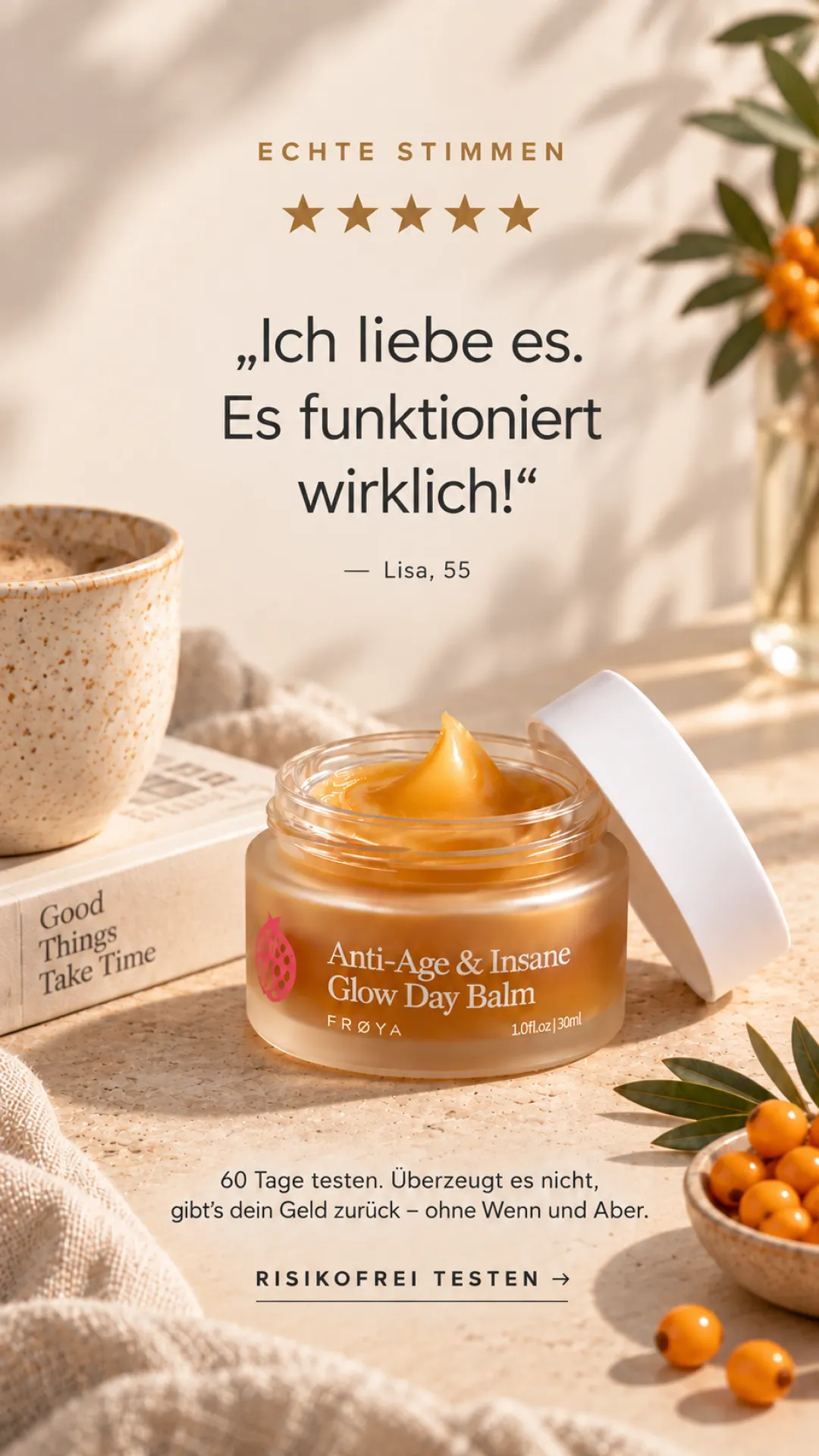
Entdecke Frøya – und lass deine Haut für sich sprechen.
Anne's Skincare Blog
The Daily Habits That Cleared My Acne
Anne's Skincare Blog

The aging protein most women have never heard of 🧬
Anne's Skincare Blog
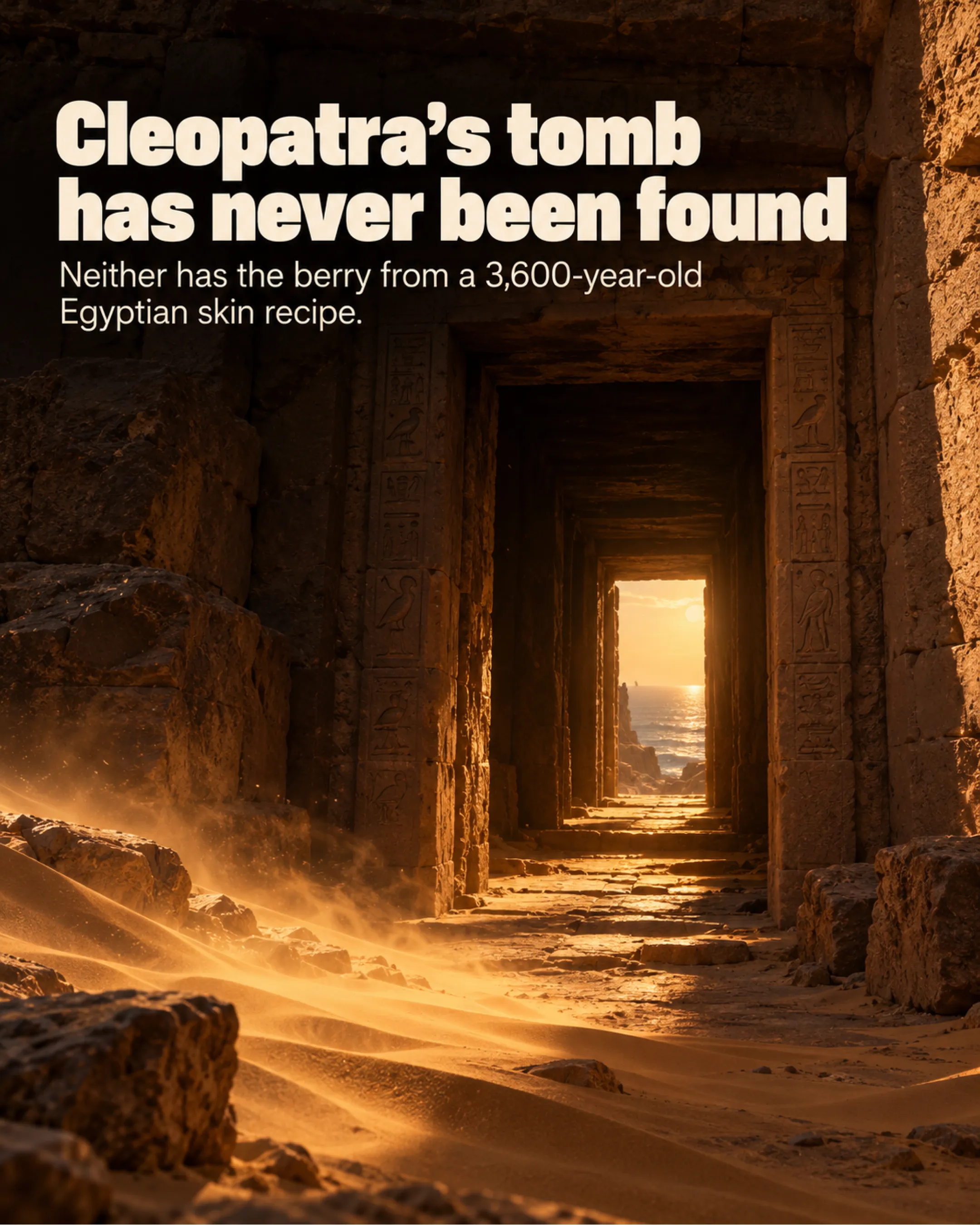
Did you know this?
Anne's Skincare Blog

Did you know this?
Anne's Skincare Blog
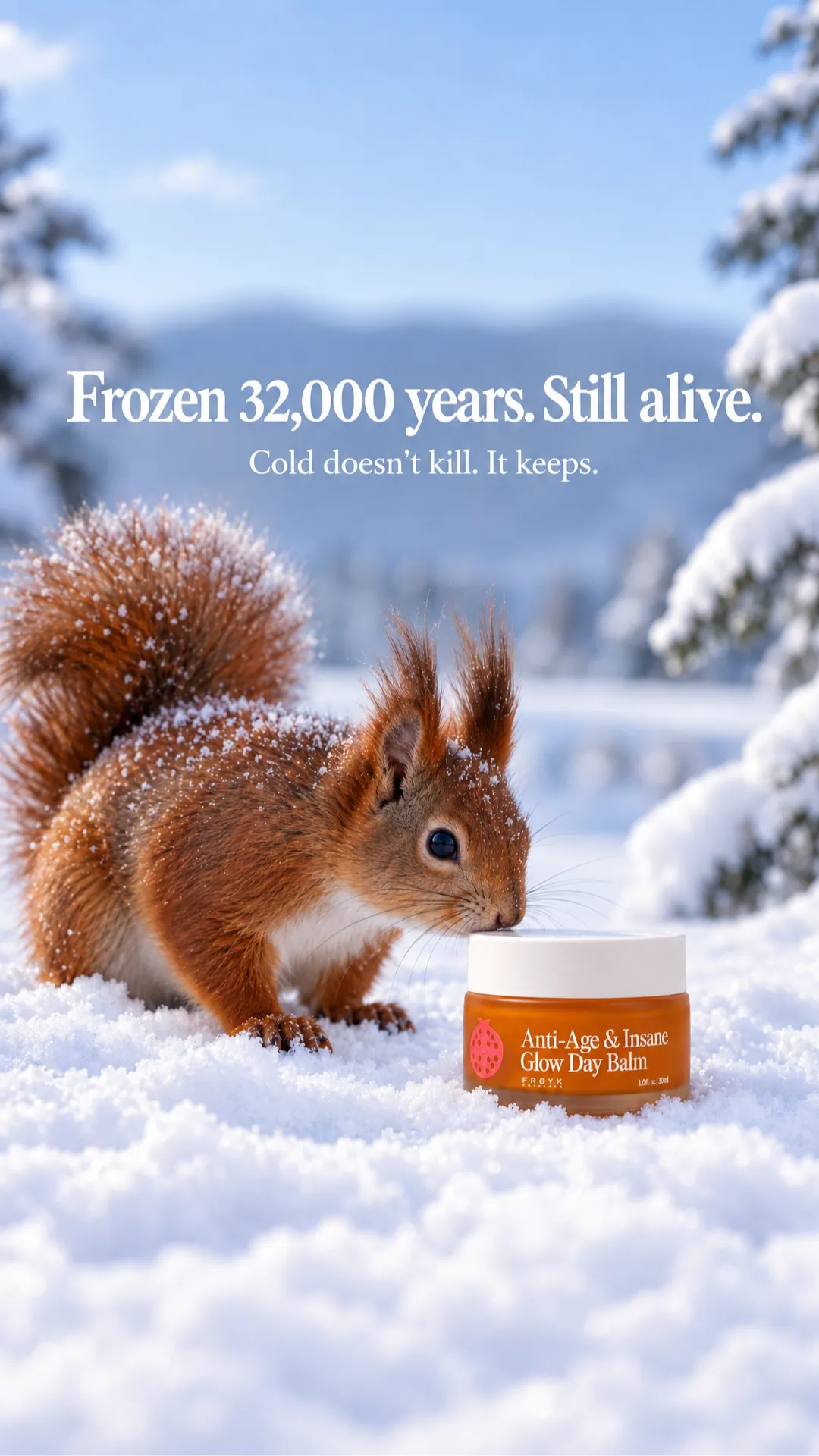
Did you know this?
Anne's Skincare Blog
The Daily Habits That Cleared My Acne
Anne's Skincare Blog
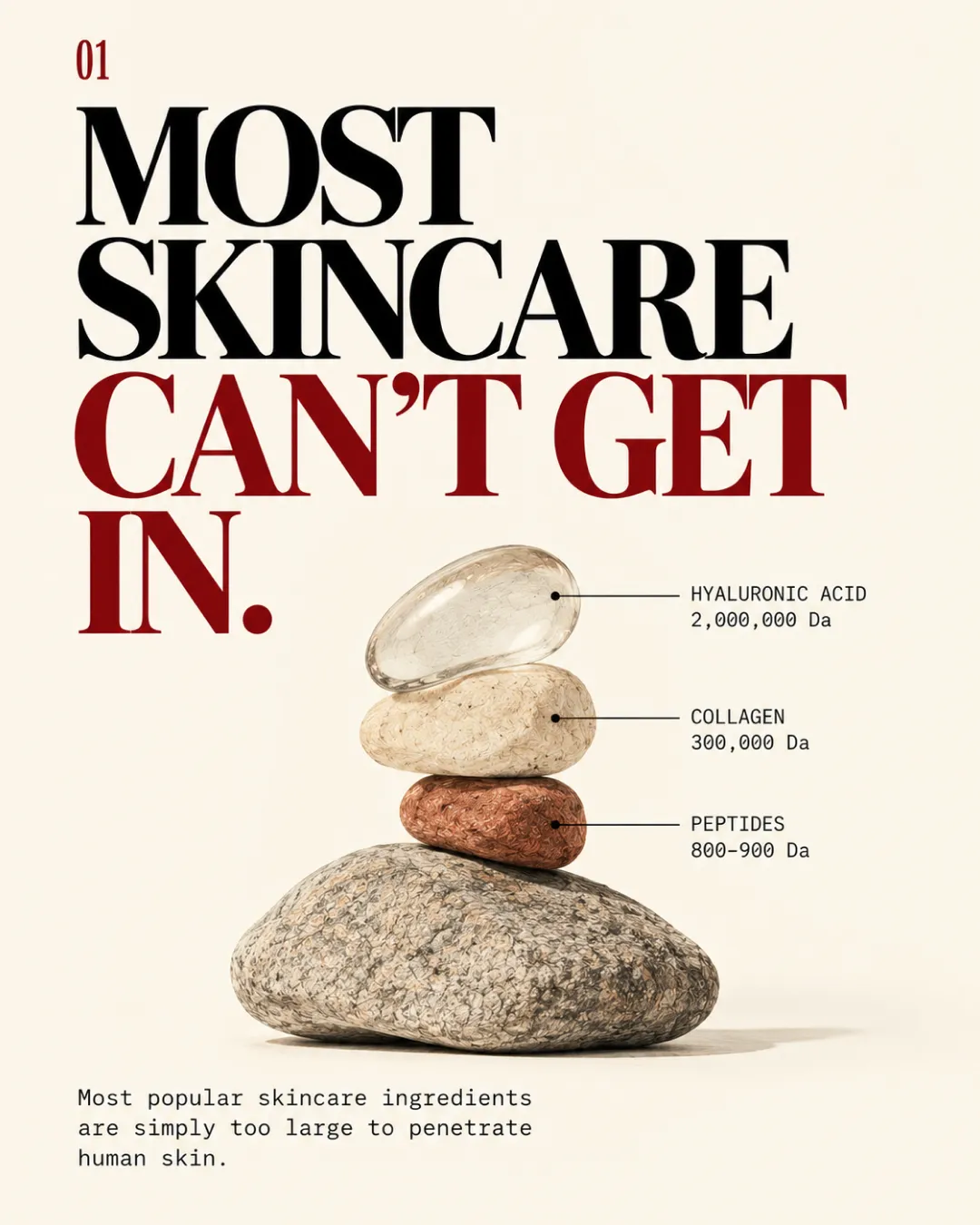
We have been using the wrong skincare for 40 years…
Anne's Skincare Blog
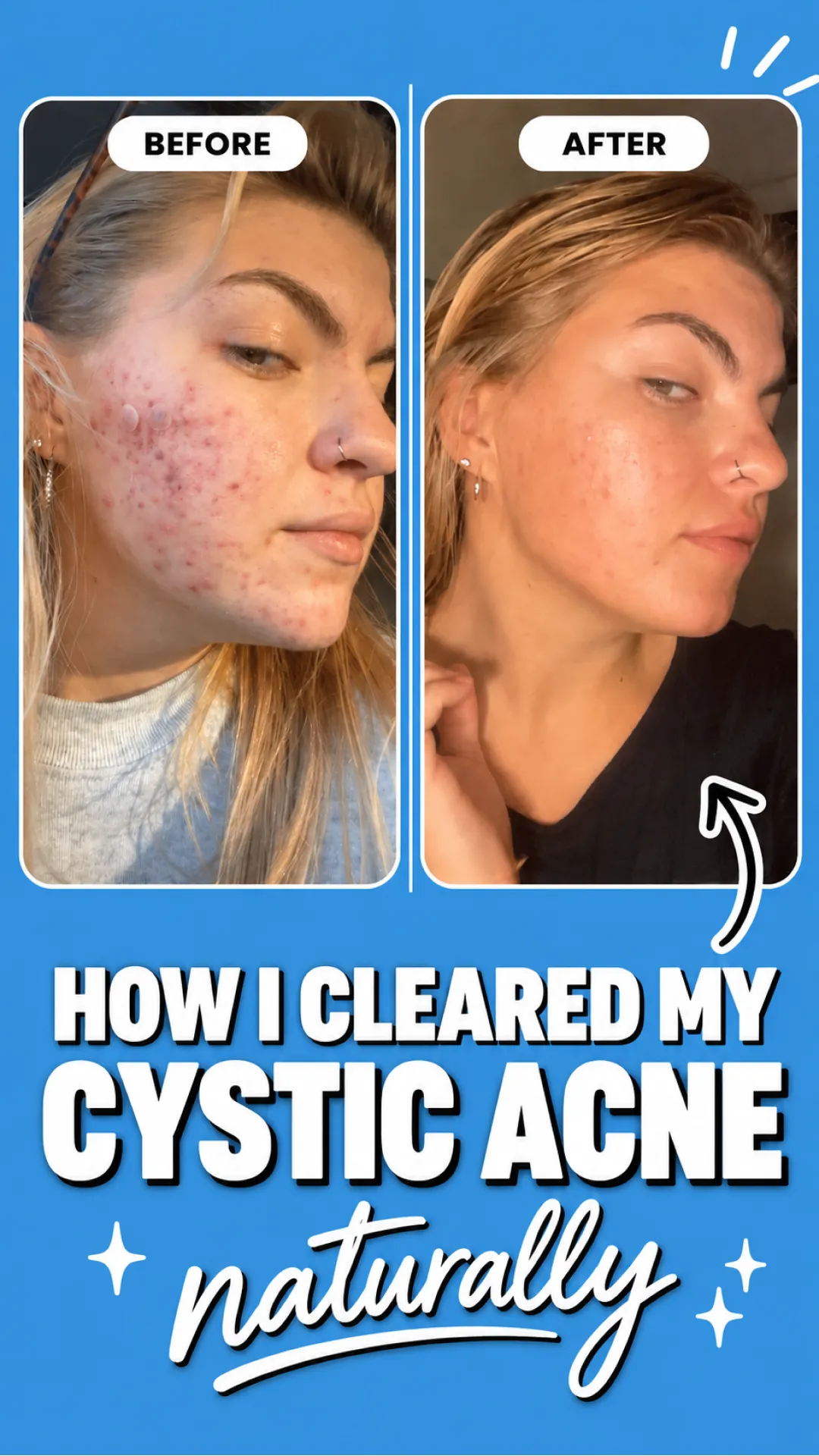
The Daily Habits That Cleared My Acne
Anne's Skincare Blog
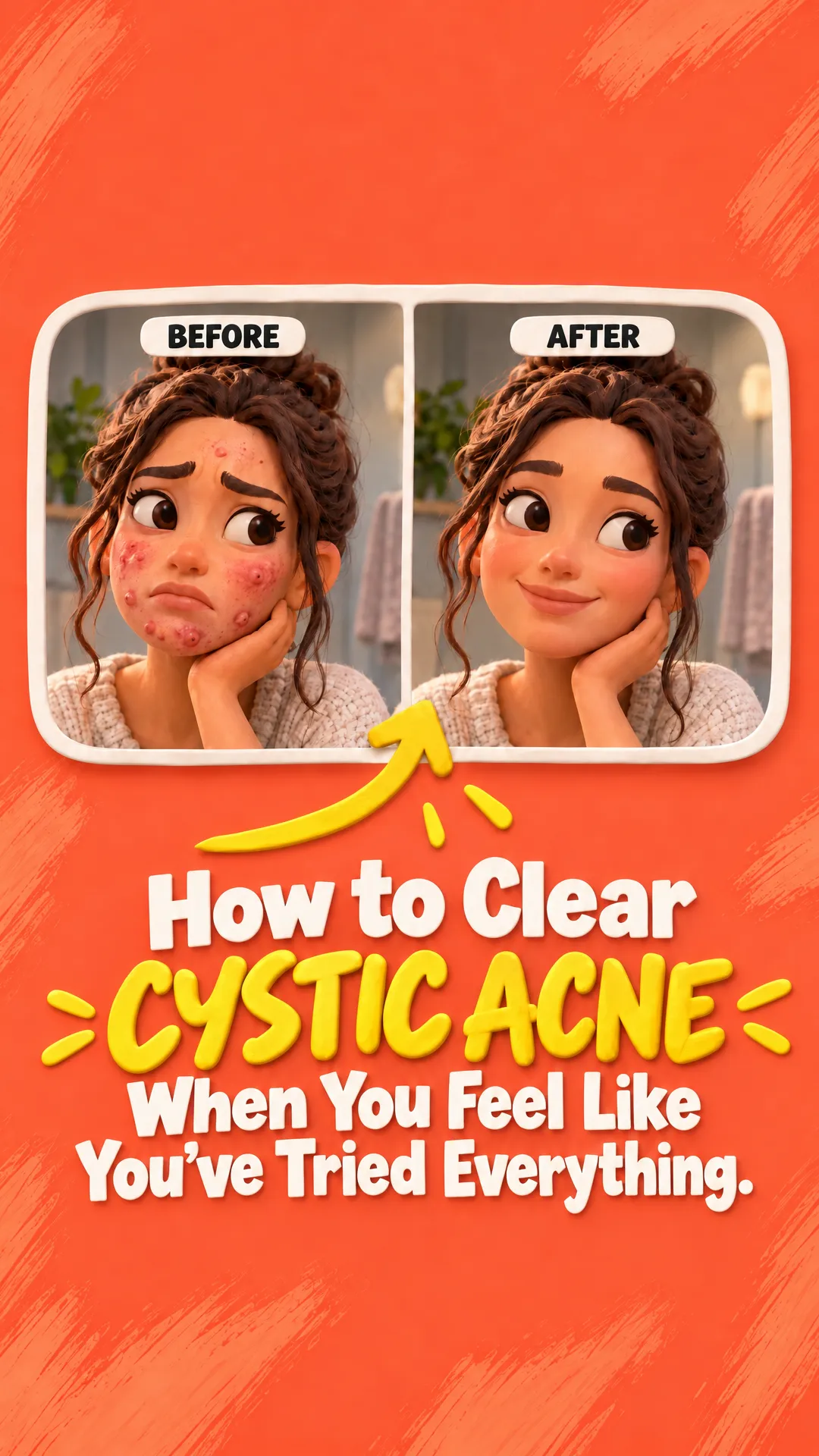
The Daily Habits That Cleared My Acne
Anne's Skincare Blog
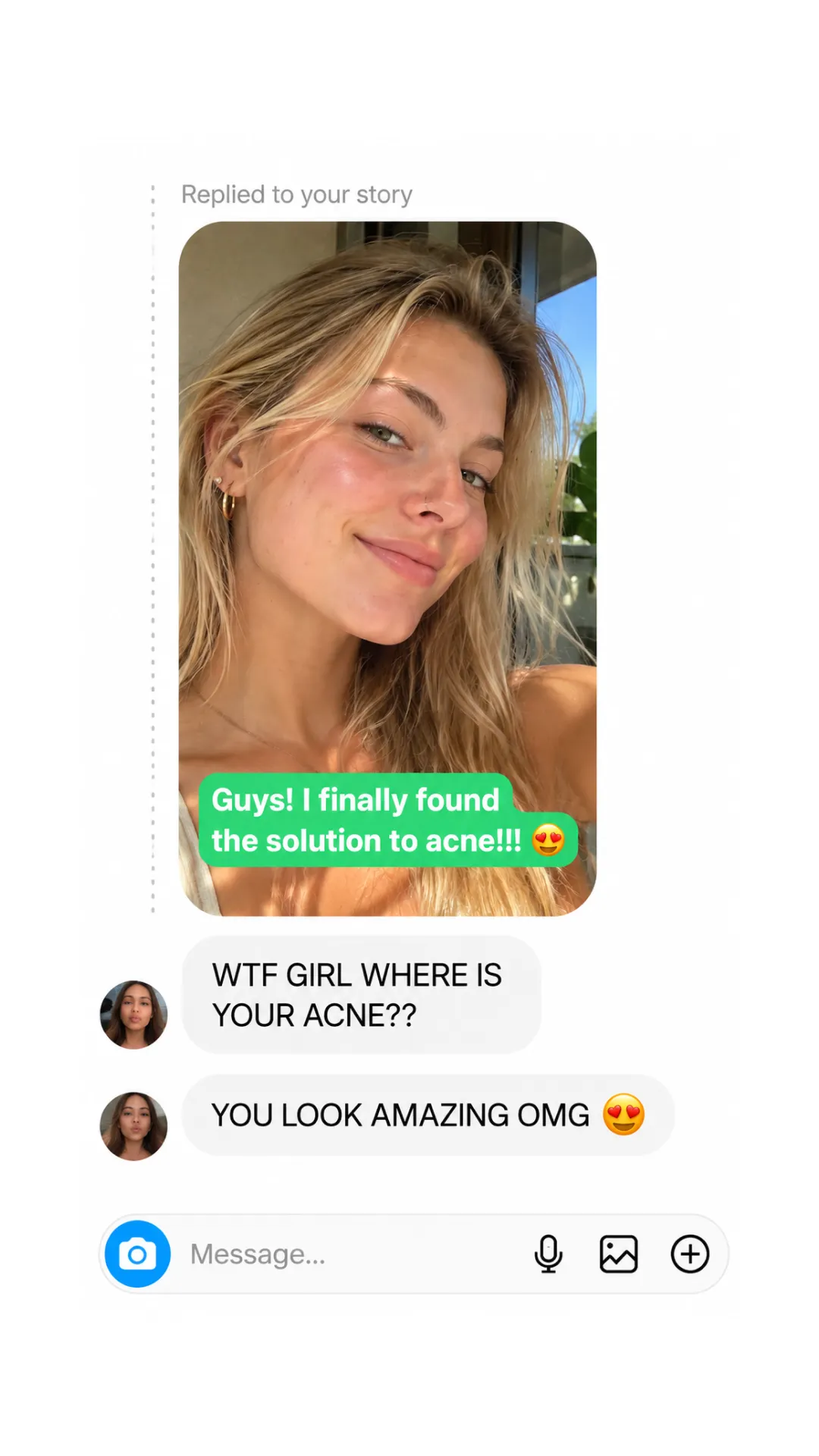
The Daily Habits That Cleared My Acne
Anne's Skincare Blog
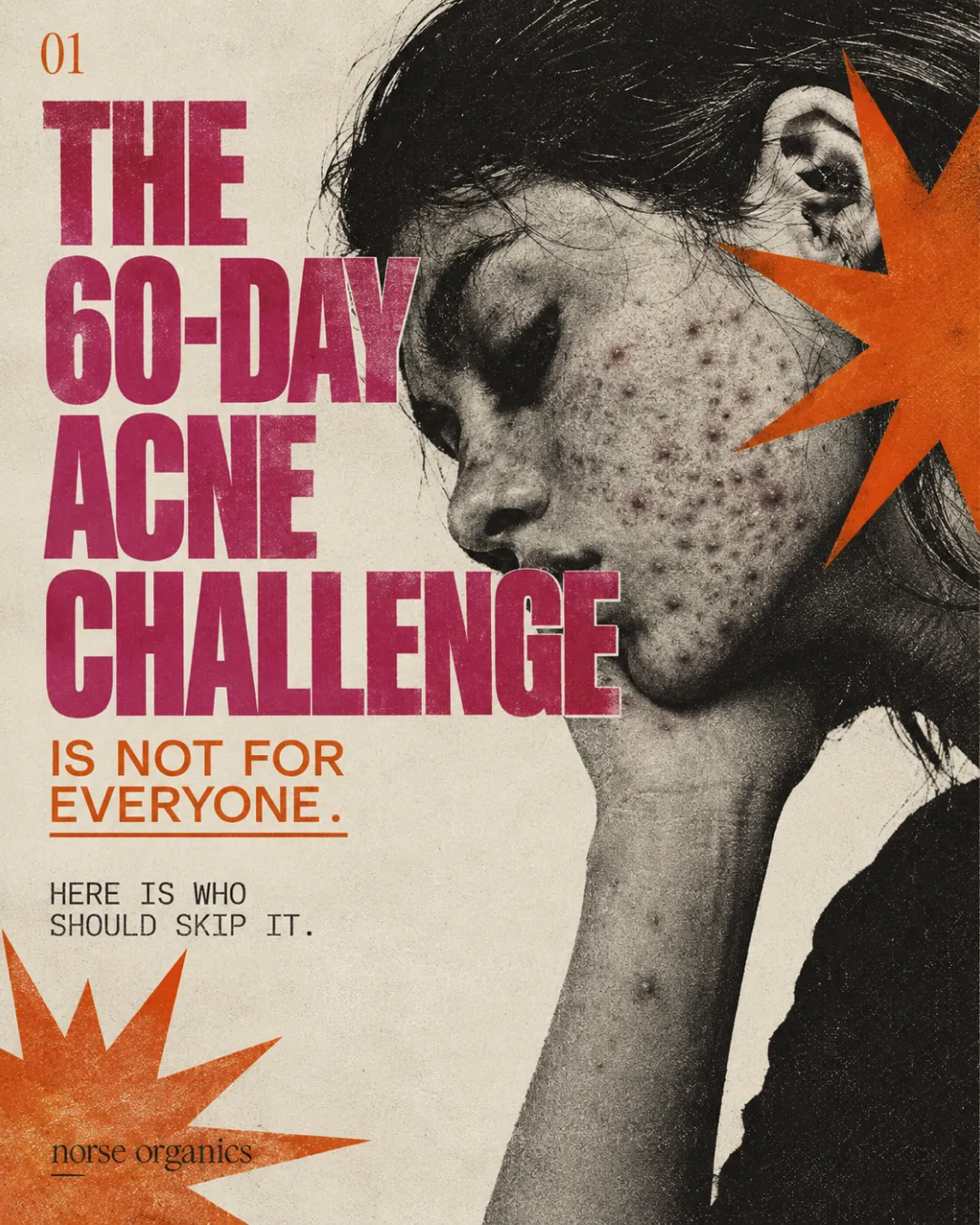
Wait … this works?
Anne's Skincare Blog

 Add to Chrome