The Grandma Who Wouldn't Get Off My Rug
Ad Copy
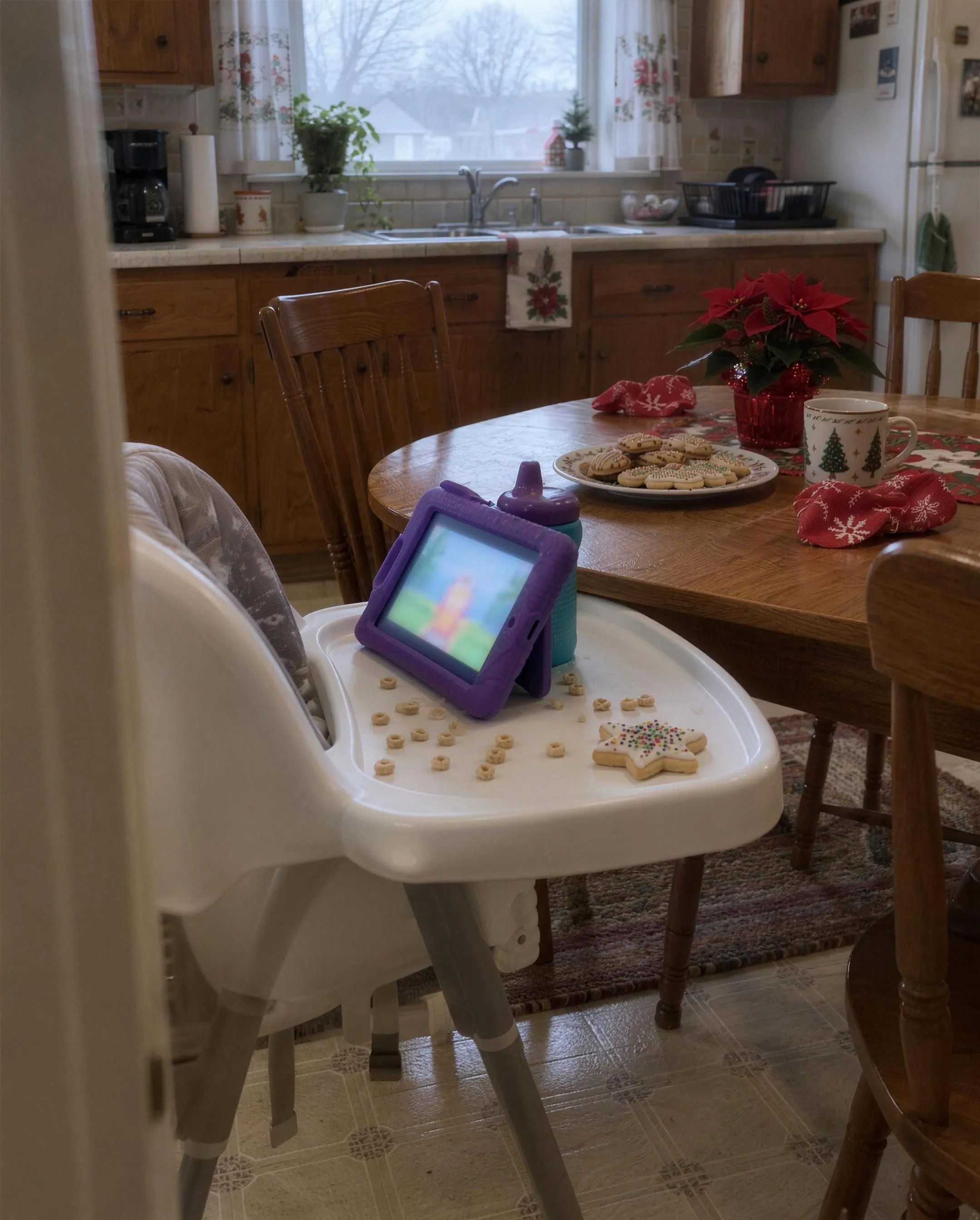
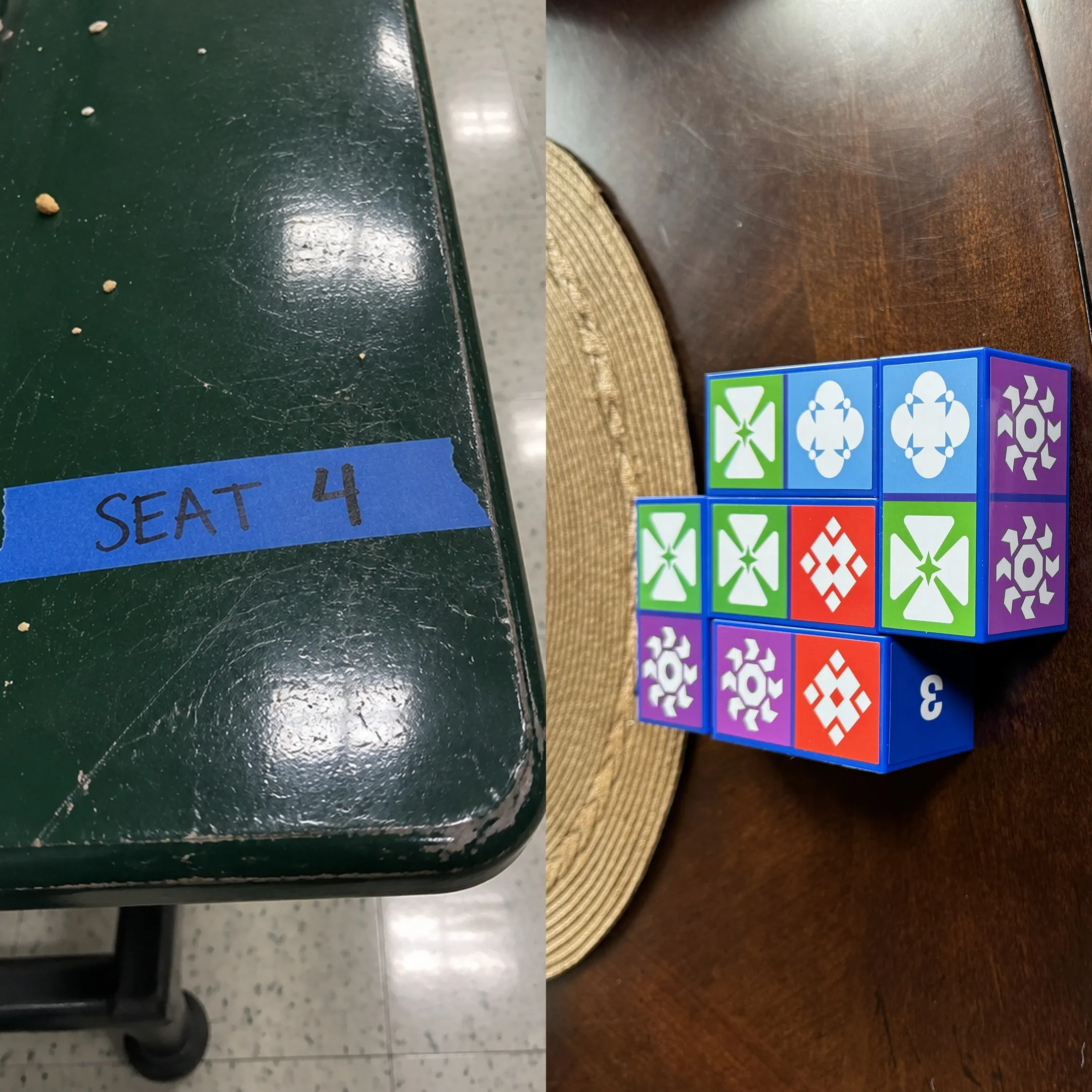
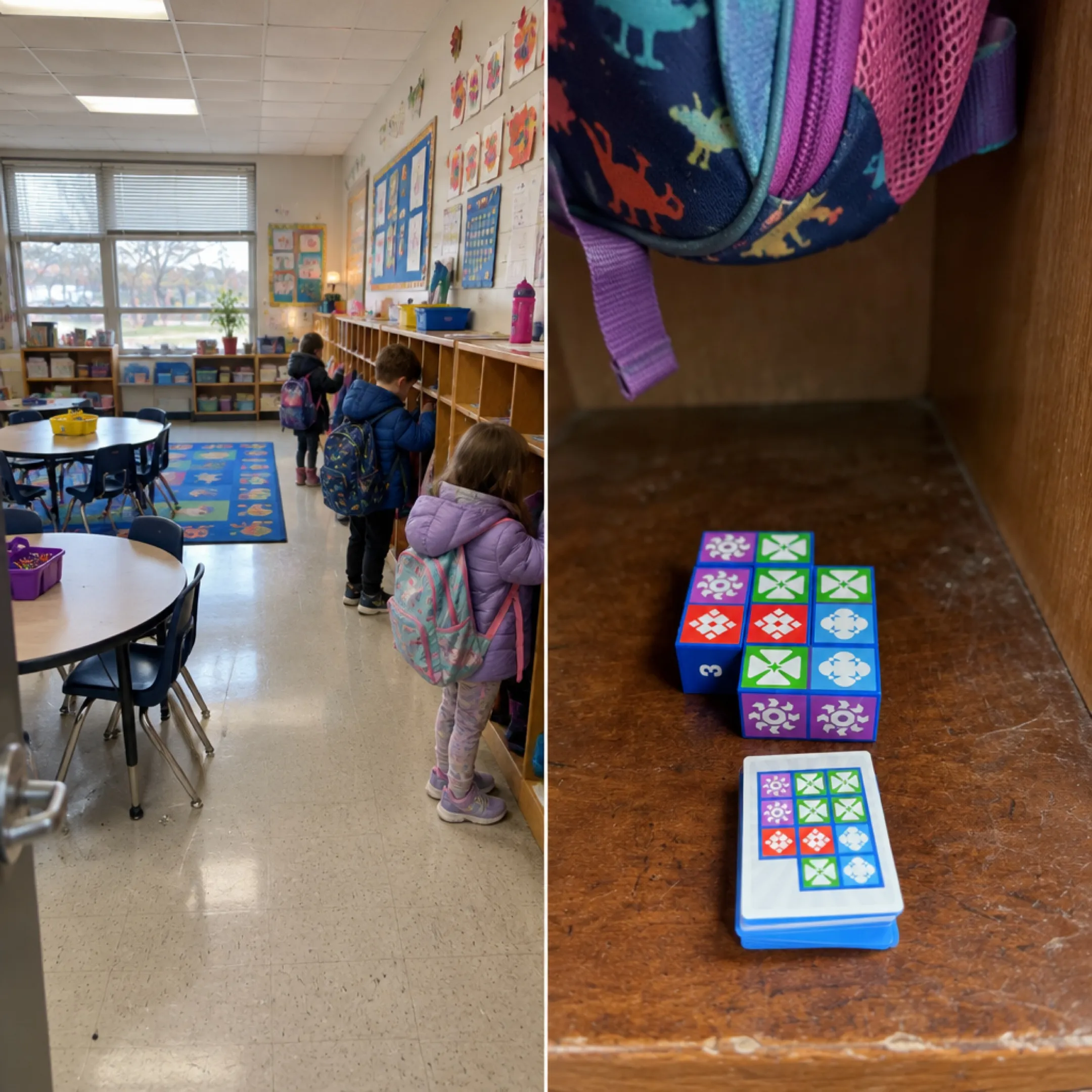
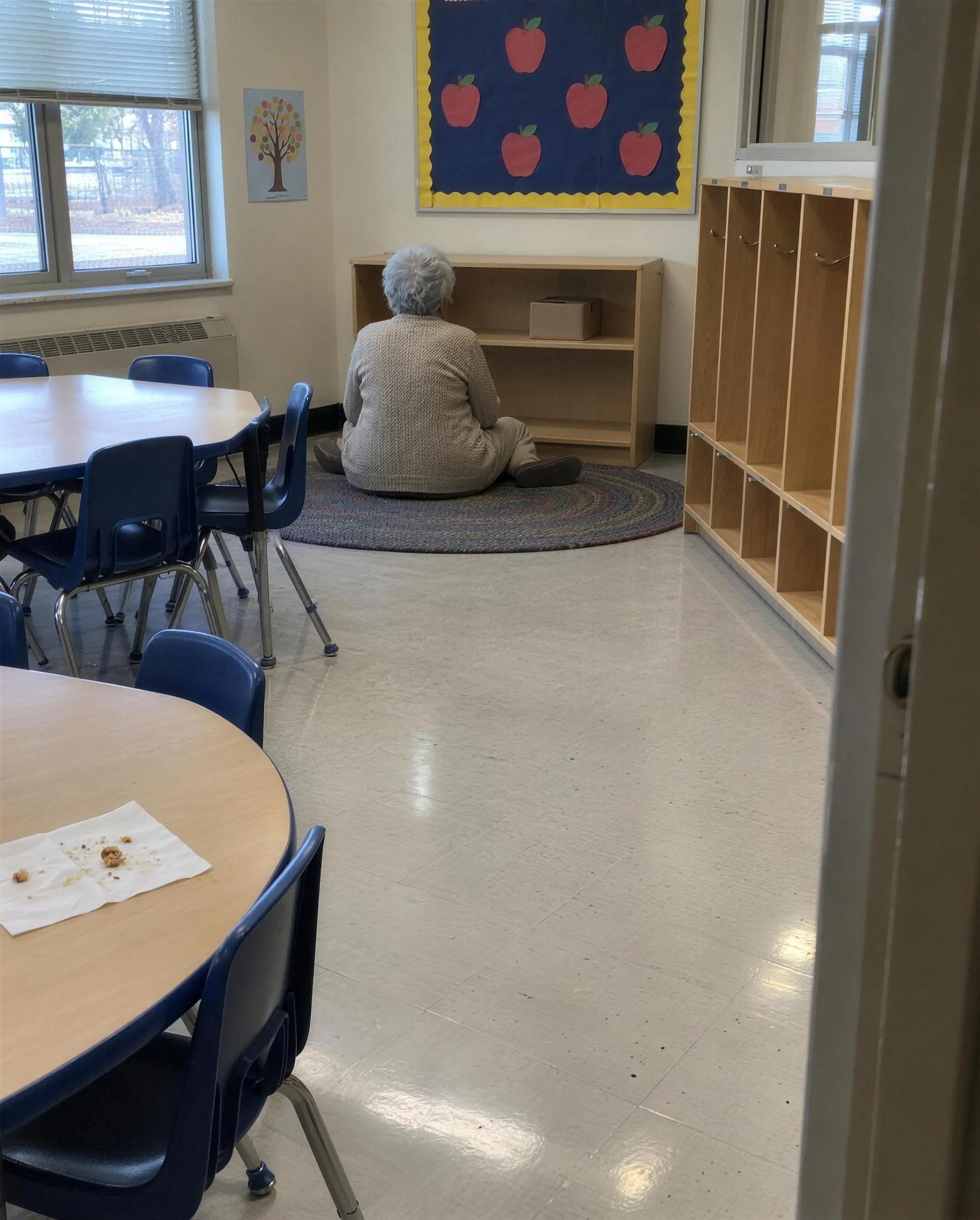
"You don't even know us, Grandma. Just Venmo it next year, then you don't have to come." A 13-year-old said that to her grandma on Christmas morning, with the whole family in the room. Her mom laughed. I wasn't there. I heard about it nine months later, from the grandma herself. She'd stayed put on the rug at the back of my classroom after Grandparents Day. Every other grandparent had signed out and gone home. She hadn't moved. "I'm not leaving," she told me, "until you tell me what that game is." I've had a kindergarten class for 19 years. Grandmas have cried at my door, and grandpas have dozed off in the tiny chairs. I had never had one refuse to get up off the floor. Let me back up. I'll call her Marjorie. Her grandson Teddy was in my class last year. He was five, a careful little boy who lined his crayons up by color before he'd use a single one. Grandparents Day is in September. For one hour, the kids walk their grandparents around the room. They show off their cubbies and their names on the wall, and we finish with cookies. Most kids head straight for their cubby. Teddy took Marjorie by the hand and pulled her to the calm corner. It's just a small rug and a low shelf, and the shelf holds one thing, The Uzzle. It's a block game. Every kid gets a set of five little blocks, painted all over with colored patterns. A card goes face up, and everybody twists and turns their blocks to copy it, all at the same time. Whoever matches it first calls out "Uzzle!" The deck has four levels, starting easy and ending really hard. Teddy gave his grandma a card from the hard pile and kept an easy one. "You have to go fast, Grandma." She did not go fast. He beat her by a mile, and a grandpa at the art table turned around to see who was yelling "Uzzle!" So she asked for another card. Then another. That grandpa brought his granddaughter over, and Teddy beat him too. By the end of the hour, grandparents were crowding my little rug. Two of them took the hard cards against two five-year-olds on the easy ones, and the rest leaned in and cheered. The kids were winning. Then it was time to go. Everybody left except Marjorie. So I sat down on the rug next to her. She started with numbers. Five grown kids. Sixteen grandkids, from a 2-year-old up to a 15-year-old, in five different houses. "I used to shop all fall," she said. "Then the big ones started rolling their eyes at whatever I picked, and the little ones broke it by New Year's. Nothing worked for a toddler and a teenager at the same time. So I quit picking." For six Christmases she'd handed out gift cards, one for every grandkid. Then she told me about that Christmas morning. Reese, her oldest granddaughter, opened her card and read the amount out loud. Telling me about it, Marjorie got through the first half just fine. When she got to "then you don't have to come," her voice broke. And her own daughter, Reese's mom, had laughed and said, "She's not wrong, Mom." Nobody else said a word. A whole living room of grandkids, and not one of the big ones spoke up for her. "Maybe she isn't wrong," Marjorie told me. "I don't know what a 15-year-old likes. I don't even know what the 2-year-old likes this month. But I just lost to Teddy on every single card. At my house he doesn't look up from a cartoon. So what is that?" So I told her what all those years on that rug have taught me. "Almost every toy in the store is made for one age," I said. "The day a kid grows out of it, it's done. You're not bad at shopping. The toy aisle is built for one child at a time, and you have sixteen." She laughed a little at that. "And the screens," I said. "A tablet pays a kid off with something new every couple of seconds. Of course they love it. Grown-ups love it too. But they get that win by themselves, on the couch, with their back to you. "This game pays out just as fast. The difference is they make the win happen with their own fingers, and somebody's sitting right across from them when they do. Everybody races at once, so nobody sits there bored waiting for a turn. My five-year-olds can do the easy cards, and the hard ones are tough enough that you just lost on them to Teddy. So the little one and the big one are each in a real race, at the same table, and either one can win." Marjorie looked at the box for a long time. "Would a 13-year-old play it? A 15-year-old?" I told her the truth. I teach five-year-olds. I couldn't promise her anything about teenagers. "But I meet a lot of their big brothers and sisters at pickup," I said. "And I think a teenager wants exactly what a five-year-old wants. To win something quick, and to know it was fair. He's just taller, and a lot quieter about it." Then I told her about the teacher across the hall. She took her box home over the summer, and her 16-year-old son, who she says hasn't voluntarily left his room since eighth grade, came out to the kitchen table for it. Three nights in a row. He made her play the hard cards so he could say he beat her fair. Marjorie stood up. Her knees cracked. She didn't care. "Five," she said. "One for each house. And they all get opened at my house, all at once, so nobody can stick theirs in a closet." She called her daughter from the parking lot. Her daughter said, "Mom, Reese is going to hate it. Just do the cards." Marjorie ordered that night anyway. Good thing she didn't wait. They sold out that Christmas. I didn't hear another word about it until January. On the first day back from break, Teddy grabbed my sleeve at drop-off before he'd even hung up his coat. "Ms. Bennett! I beat Reese! She had a HARD one!" That afternoon Marjorie waited until the last car pulled out of pickup, then handed me a stack of printed photos. Of course she'd printed them. Christmas night. Her dining room table, two folding tables pushed up against it, and every grandkid old enough to hold a block. The two littlest sat in laps and passed out cards. Five boxes of blocks across three tables. And at the end of the long table, Reese. Holding a paper plate. "She lost to Teddy on her very first card," Marjorie said. "Then she went and got a paper plate and a marker and made a bracket for the little ones. She ran it until ten o'clock. She wouldn't let anybody go home until the 6-year-old won something." Then she pulled out her phone and found a text. It came in the morning after Christmas. "ok grandma this was the best present. can we do it again at your house sunday" Marjorie held the phone out so I could read it twice. "Same girl," she said. "The one who told me not to come. Now she's asking if she can." Reese had been at her house both Sundays since. And Reese's mom, the one who laughed, had called the week after Christmas to ask which website. I've thought about Marjorie a lot since then. She thought she'd lost her granddaughter to being 13. She hadn't. She just hadn't had a reason to sit at the same table in a long time. If you're a grandma who gave up and went to gift cards because nothing fits all their ages, and somebody in your family made you feel like you don't know them anymore, let me tell you what I tell the grandparents who stay after. It's probably not you. Toys are made for one age, and your family is every age at once. What worked for Marjorie was one game the 5-year-old and the 15-year-old could race at the same time, each on their own cards, with her right there at the table. P.S. This Grandparents Day, two grandmas and a grandpa stayed after to ask what Marjorie asked. I sent them to The Uzzle's own website. Most of the year it's $60, and right now it's $30. If your family doesn't take to it, you have 30 days to get all your money back from the website. Go check it out for yourself. 👉 https://theuzzle.com/pages/uzzle-blockwork-bundle
More from Ms. Laura Bennett
A GAME LIKE NO OTHER
Ms. Laura Bennett
A GAME LIKE NO OTHER
Ms. Laura Bennett
A GAME LIKE NO OTHER
Ms. Laura Bennett
A GAME LIKE NO OTHER
Ms. Laura Bennett
Their Binder Had 14 Tabs. I Closed It.
Ms. Laura Bennett
Their Binder Had 14 Tabs. I Closed It.
Ms. Laura Bennett
Their Binder Had 14 Tabs. I Closed It.
Ms. Laura Bennett
A Dad Came to My Room at 7:15 Ready to Fight
Ms. Laura Bennett
A Dad Came to My Room at 7:15 Ready to Fight
Ms. Laura Bennett
A Dad Came to My Room at 7:15 Ready to Fight
Ms. Laura Bennett
The Grandma Who Wouldn't Get Off My Rug
Ms. Laura Bennett
The Grandma Who Wouldn't Get Off My Rug
Ms. Laura Bennett

 Add to Chrome