
The overlooked cause of stubborn hip pain
Ad Copy
– Forwarded message by Dr. Sarah: For anyone who has been told they have hip bursitis, SI joint dysfunction, or piriformis syndrome… You don't have three separate problems. And I’ll tell you why in just a second… Look, I’ve spent three decades in public health and two decades in clinical trials. And I’m writing this because I’ve watched hundreds of people struggle with deep hip pain, aching through the buttock, and that sharp catch when they stand up… when there is a different approach that most people haven’t even considered. They’ll tell you to stretch your hip, ice your hip, inject your hip, or take another pain pill… when the underlying pattern might be starting somewhere else entirely. And I don’t care if other doctors disagree with what I’m about to share… Because I think EVERYBODY with this kind of pain should hear this perspective. When patients came to me with deep outer-hip pain, pain getting out of the car, or pain that shot from the buttock toward the leg, most of the time the problem wasn’t that they had a broken hip. What they had was lower-back compression that had been quietly changing how their entire pelvis was carrying weight. Three different diagnoses. Three different treatments. One thing in common: None of them looked at the spine. Now, most people think their discs are just little cushions in the back. But those discs do much more than that. They hold open the space between each vertebra. They help keep your pelvis level. And they help the muscles around your hips do their job without having to clench all day just to hold you upright. When those discs start collapsing from years of sitting, bending, twisting, old injuries, and normal wear, that space gets smaller and smaller. Your lower back stiffens. Your pelvis starts to tilt. Then the SI joint on one side starts taking more load than it was designed for. The piriformis deep in the buttock tightens to compensate. And the muscles around the outside of the hip start working overtime just to keep you steady when you walk. That’s when the deep ache begins. That’s when climbing stairs feels like your hip catches. That’s when you have to turn your whole body to get out of the car. That’s when lying on your side starts feeling impossible. And this happens more as we get older. Because every year, the pressure on those discs adds up. Think of it like a stack of sponges. When they’re full and springy, they keep everything spaced where it belongs. But after years of being pressed down, they lose height. The muscles around them pull tighter. The joints below them start carrying the load. And the pain shows up in the place that’s working hardest to compensate: Your hip. Some people get it worse because: - They sit for long stretches every day - They’ve had a fall, old back injury, or years of physical work - They sleep twisted on the same side every night - They’ve spent years favoring one leg without realizing it - They’ve tried to stretch a hip that was never the real starting point This is what I see behind so many cases labeled hip bursitis, SI joint dysfunction, and piriformis syndrome. Three labels. One pattern. I learned just how powerful this was when I was helping one of my patients in her 90s who could barely get through a grocery store without leaning on the cart. Her hip hurt getting out of the car. It hurt climbing the two steps into her house. And she had stopped playing tennis, even though she’d played for 70 years. She’d been told it was hip bursitis. Then SI joint dysfunction. Then piriformis syndrome. Each diagnosis came with a different treatment. But none of them gave her lasting relief. When I first heard about a device that combined gentle lower-back traction, targeted massage, and deep heat at the same time, I thought it wouldn’t hurt her… but it likely wouldn’t help her either. So I had her use it for 15 minutes at home each evening. The first few sessions, she said the warmth and massage reached the tight area above her hips where nothing else had seemed to reach. The next week, she walked into my office without the familiar limp. She said, “I got out of the car without bracing myself first.” That was the moment I knew there was something here. In all my years around medical devices, I had never seen a simple at-home routine change someone’s day-to-day movement that quickly. She’s 94 now. She cleans her own house, plays tennis several times a week, and doesn’t plan every outing around where she can sit down. So what was different? Most hip-focused treatments only chase the place where the pain is showing up. They don’t change the pressure pattern that keeps sending load into the hip. The SmoothSpine Triple Fusion Back Massager works on the lower-back pattern first. Its gentle Dynamic Traction lifts and creates space through the lower back. Its Soothing Heat Therapy warms the stiff tissue surrounding the spine. And its Target Point Massage works directly into the muscles that have been clenching around that area for years. Together, those three things help the lower back let go… so your pelvis and hips aren’t left carrying all the pressure alone. And here’s the important part: They happen together. A heating pad by itself can feel good, but it doesn’t create space. A massage gun by itself can work the surface, but it doesn’t lift the lower back. An inversion table may create temporary space, but it doesn’t add direct heat and targeted massage where the guarding is happening. That’s why so many people bounce from one thing to another. They’re getting one piece of the answer. Not the full sequence. You don’t need to spend all day doing stretches or find time for another weekly appointment. You use it at home for 15 minutes while you’re sitting, watching TV, or winding down for bed. And the first thing people notice isn’t always that the pain is gone. It’s that their body starts moving without the same calculation. Here are some patterns people typically notice in the first four weeks: ✅ Week 1: Getting out of the car and standing from the couch doesn’t feel like a full-body production anymore. ✅ Week 2: The aching around the outer hip and buttock starts quieting down, and stairs don’t feel as intimidating. ✅ Week 3: They’re sleeping more comfortably and walking through the store without looking for the closest bench. ✅ Week 4: They realize they’ve gone hours without thinking about where their hip is going to hurt next. Now, the only device I recommend for this is the SmoothSpine Triple Fusion Back Massager, and here’s why: It has to combine all three parts of the sequence: lower-back lifting, targeted massage, and deep heat. Most cheap devices only vibrate. Others only heat up. And some call themselves traction devices but never work directly into the tight tissue that keeps pulling everything back into the same painful pattern. SmoothSpine combines all three in one simple 15-minute routine. And that’s why it’s already helping thousands of people who are tired of being told their pain is just another part of getting older. Before I wrote this, I called SmoothSpine and told them I was going to share what I’m seeing with people who’ve been through the hip-bursitis, SI-joint, and piriformis merry-go-round. This is the link where my patients and thousands of other people with hip pain have bought theirs from: 👉https://try.smoothspine.com/tfbm-coc-adv2-hp-2.0 They sold out very fast in December 2025, and they’re starting to sell out again, So grab the 60% discount + free gifts deal before it's gone. You also get 90 days to use it at home and decide whether it changes the way your body feels when you stand, walk, sit, and sleep. If you’ve been told it’s hip bursitis… SI joint dysfunction… or piriformis syndrome… Don’t assume those three labels mean three separate problems. The pressure may have been building in your lower back all along. If they're available, get one for yourself and your family. You'll be glad you did.
More from Loretta Collins
Relieve hip pain at home with this
Loretta Collins
15 minutes to turn off back pain and leg heaviness?
Loretta Collins
I Was Scheduled for Back Surgery… Until I Tried This
Loretta Collins
I Was Scheduled for Back Surgery… Until I Tried This
Loretta Collins
Relieve hip pain at home with this
Loretta Collins
15 minutes to turn off back pain and leg heaviness?
Loretta Collins
15 minutes to turn off back pain and leg heaviness?
Loretta Collins
Relieve hip pain at home with this
Loretta Collins
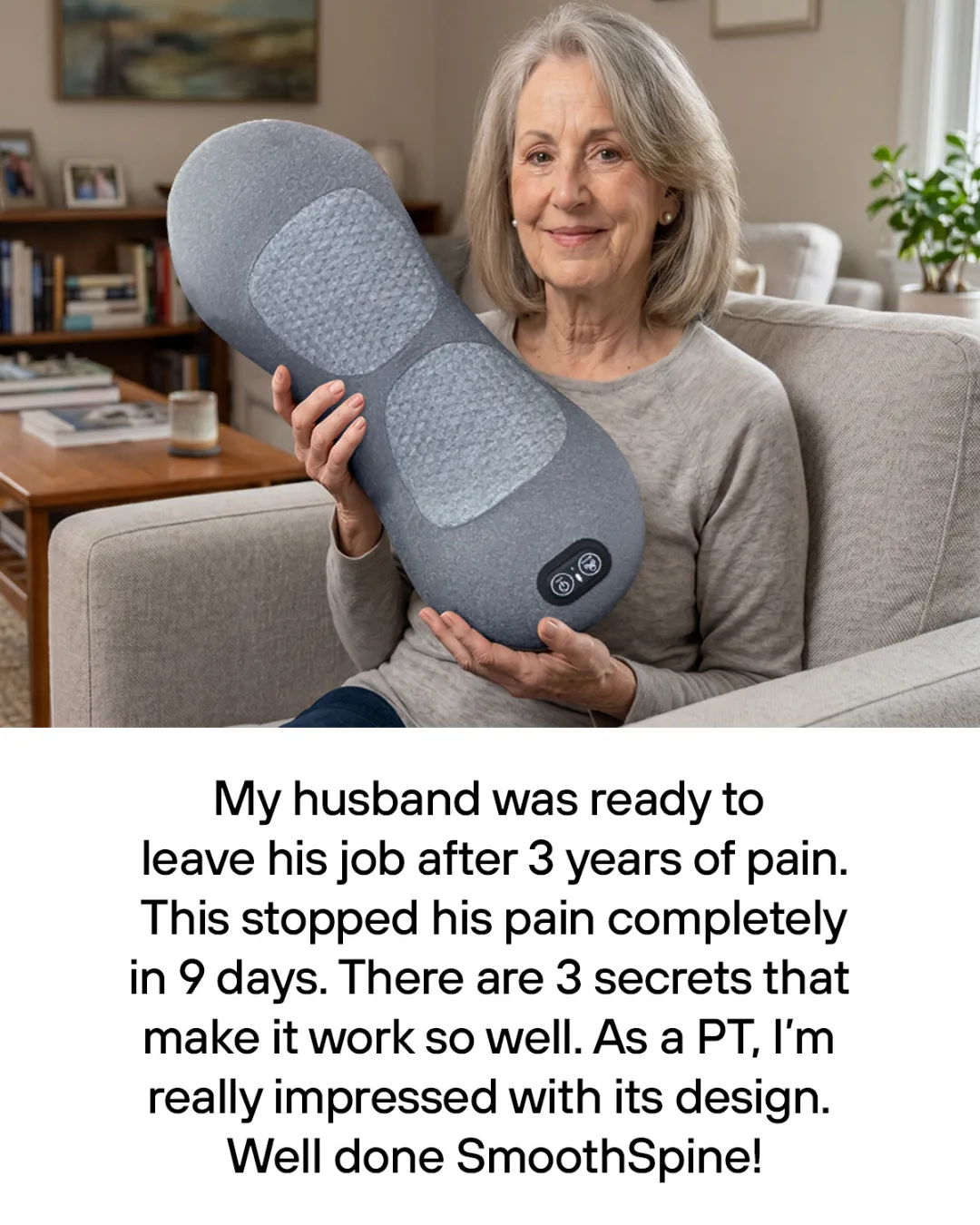
3 years of sciatica ended in 9 days
Loretta Collins
“Neuropathy That ‘Can’t Heal’? Mine Did.”
Loretta Collins
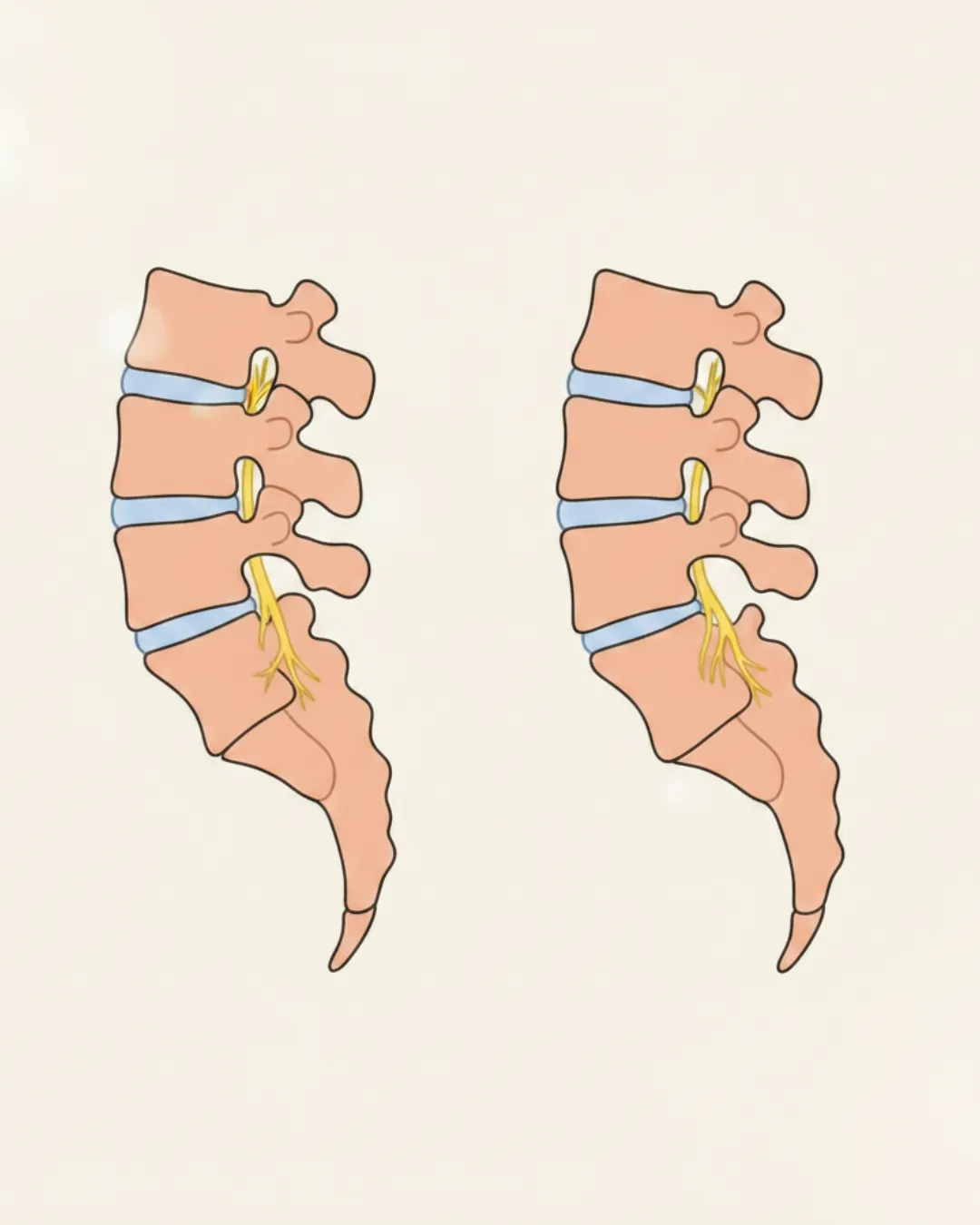
My legs went dead in my own driveway. Here's what no doctor ever told me.
Loretta Collins
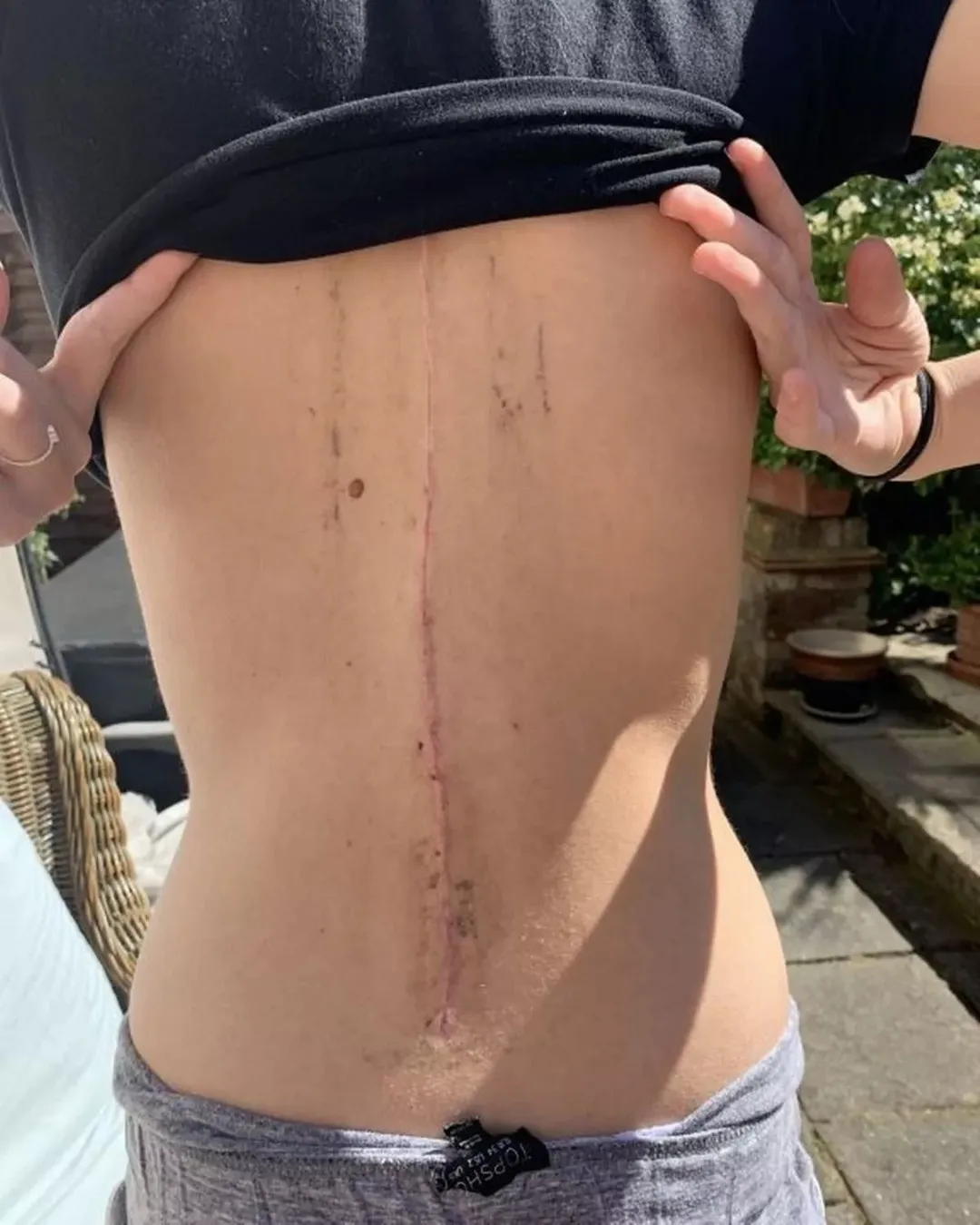
3 Ways To Get Back Pain Relief
Loretta Collins

 Add to Chrome