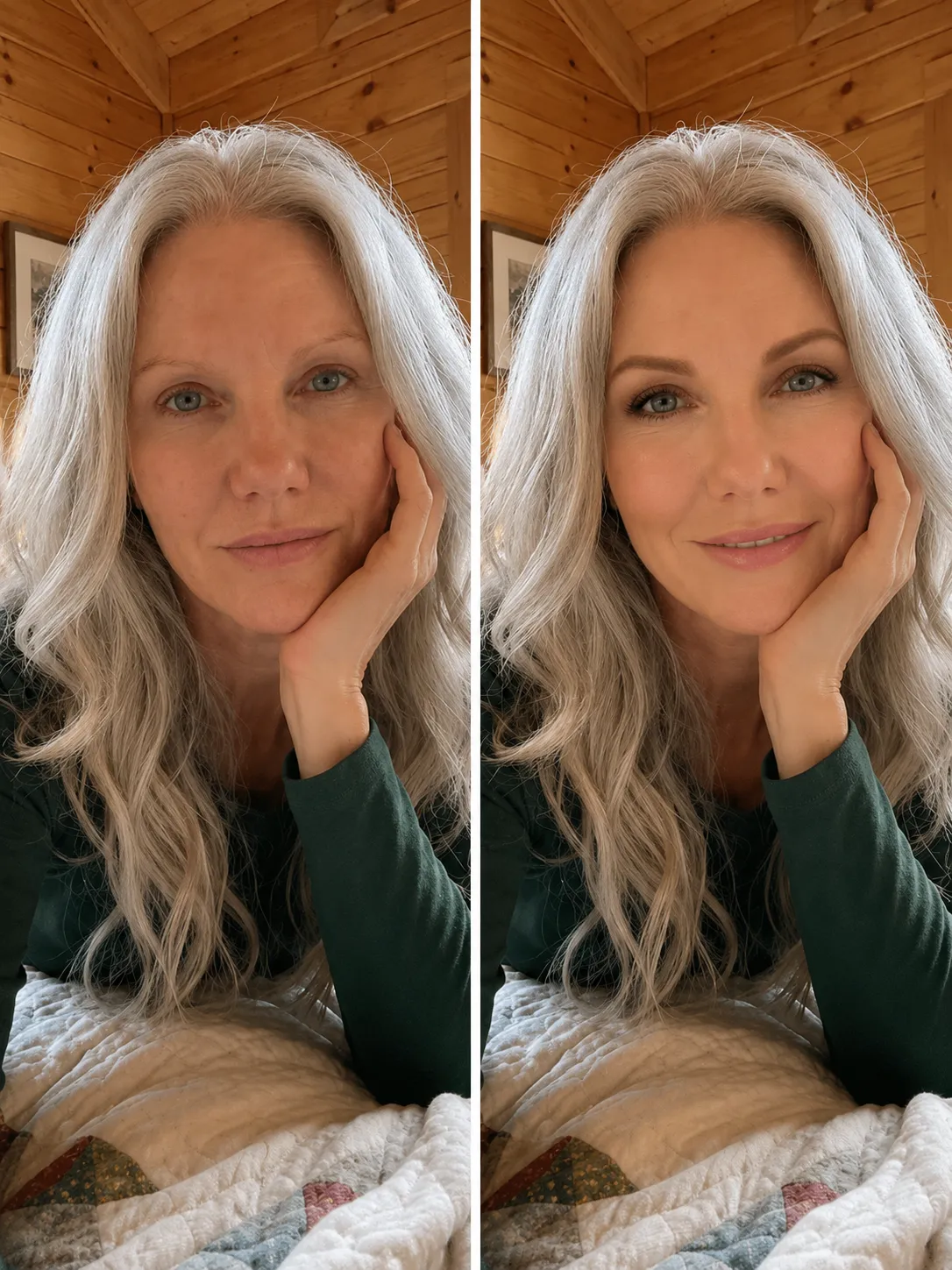
Stop Drawing Them On
Ad Copy
Please STOP microneedling on your eyebrows after 50, or paying someone else to do it. I know that sounds insane — microneedling is supposed to be the answer — but every time you roll another wheel of tiny needles across your brow bone, stamp another round of 0.75mm punctures into your skin, or book another $75 microneedling session, you're pouring more time, money, and pain into a fix that might, or might not, show up in a year, for a problem you could solve today. I used to be just like you. Sitting at my bathroom mirror at 6 am, rolling a wheel of needles across my brow bone because a woman on Reddit swore it had grown hers back. Watching the skin go pink and raw, dabbing on the minoxidil, and waiting. And waiting. Being told to "give it four to six months" before I'd see a single new hair. Buying the 0.75mm derma stamp everyone in the Facebook group swore by — deeper needles, better results, they said. Stamping rows of punctures into the sparse tail of each brow twice a week, wincing every time, telling myself the sting meant it was working. Watching nothing happen for months except two tender, flaking strips where my brows used to be. Booking the "Vitamin Brows" session every influencer on TikTok said was a miracle. Seventy-five dollars, every three weeks, for a technician to needle serum into my brows and tell me to "trust the process." I trusted it for four months. My brows looked exactly the same — just sorer. Adding the tretinoin at night because someone said it would speed the follicles up. It sped up nothing except the peeling. Then the hyaluronic serum I was supposed to layer on straight after needling, because someone else swore that was the missing step. It wasn't. I tried 0.5mm. Nothing. I tried 0.75mm. Blood, and nothing. I tried twice a week. I tried every other day. I tried the minoxidil the forum swore by, the peptide serum the aesthetician sold me, the castor oil my sister mailed me. Six months of needles. My brows were exactly as sparse as the day I started. I tried more expensive versions. The $120 "medical-grade" needling pen. The dermatologist-supervised sessions. The prescription-strength minox. Each one promised to "reactivate the follicle." Each one just meant more needles, more waiting, more money, and a little more of my life spent bleeding into my own face at dawn. I even sat through a microblading consultation. Walked out when the woman quoted me $850 with $300 touch-ups every twelve months for the rest of my life — and showed me before/after photos of women whose brows had turned slightly blue-grey two years post-procedure. And my brows still weren't there. Not better. The same. Six months of needling, and my face looked exactly as it had — except now the skin above my eyes was perpetually pink and flaking, and I flinched every time I touched it. All that pain. All that money. A year of my mornings. For nothing anyone could actually see. Here's what made it unbearable: I was 59. I felt good. I'd just been on a wonderful walking holiday in Vermont with my husband. I felt like myself. But when I looked in the mirror, I saw a face whose brows had quietly disappeared. No frame around my eyes. No expression on my forehead. Just two pale, sparse arches where eyebrows used to grow — and a derma roller on the counter that I'd been dragging across my own skin for eight months, waiting for a change that never came. I started doing things I'd never done before. Sitting with my back to bright lights so no one could see how sparse my brows were up close. Avoiding bathroom mirrors at restaurants because the lighting always made them look thinner. Feeling like my face had no edges. Avoiding the front-facing camera at all costs. I stopped getting my photo taken at family events for almost a year. I told my husband the lighting "wasn't catching me right." It caught me fine. I just couldn't bear the way my face looked without a frame around my eyes — and I couldn't bear that after everything, after all the needles, there was still nothing there. The worst part? My husband would say, "You look beautiful today," and I'd want to cry. Because I'd been up since six that morning, needling and dabbing and waiting on a promise, and it hadn't given me a single brow he could see. Eight months of it. Every week. For a face that still looked exactly the same. "Mom, why won't you be in the photo?" my daughter would ask. Because the woman in the photo wasn't going to look like the woman she remembered. She was going to look like a woman with no brows and two sore red strips of skin where she'd been stamping needles into herself, hoping. I went to Sephora one Saturday and stood at the brow bar for almost forty minutes, out of sheer desperation. A twenty-two-year-old assistant tried three different products on me. None of them helped, because none of them were built for what I had. Then she said the words I'd been hearing for ten years at every beauty counter: "You have great brow bones." I knew what that meant. It meant: you have almost no eyebrow hair, but the underlying bone structure where your brows used to grow is still visible, and that's the best I can do for you. I sat in my car in the parking lot afterward and cried for half an hour. Not about any one session or any one serum. About the fact that I'd spent over $600 on needling, minoxidil, and "Vitamin Brow" appointments in the last year. About the fact that every single one had failed me in the same way. About the fact that I was 59 years old and I'd been poking holes in a face that still had no brows, every week, for eight months, chasing hair that never came. That night, my friend Karen came over for wine. Karen has been a freelance makeup artist for twenty-six years — bridal, theater, on-camera work. She'd been watching me get progressively more upset about my face for almost a year without saying a word, because Karen is kind like that. But that night I just broke. I told her everything. The derma rollers. The eight months of needling. The minoxidil. The $75 sessions. The Sephora woman. The $850 microblading quote I'd walked out of. The parking lot. She put her wine down. And she said something I'll never forget: "Love, you don't have a brow problem. You have a strategy problem. You've spent eight months trying to grow brows back — needling your face, waiting on minoxidil, paying for sessions — when the hair you actually need is already there. You've been trying to grow a whole new brow instead of just making the one you have left visible." I stared at her. "Look," she said, and pulled my chin under the kitchen light. "How much actual brow hair do you have? Lean in. Look properly." I looked. Past the years of plucking. Past the sparse gaps I'd been needling. And what I saw — what I'd been missing because I'd been so fixated on growing new hair that I'd stopped seeing the old — was that I still had brow hair. Pale, fine, sparse, mostly grey-blonde now. But there. Especially in the inner third and along the natural arch. Hairs I'd stopped seeing because they were too light against my skin to register. "The hair is still there," Karen said. "It's just lost its colour, gotten finer, and faded against your skin. Microneedling might wake up a few new hairs in a year. It might do nothing at all. Nobody can tell you which — you just needle, and pay, and wait, and find out. But you don't need to bleed for a year to find out anything. You already have enough to work with today. You just need something that makes it visible — that puts colour on the bare skin where brows used to be, and coats the pale hairs you've been ignoring — instead of a needle and a twelve-month prayer." She picked up the derma roller on my counter. "This is a gamble, love. It punctures your skin and hopes a follicle wakes up. Maybe one does. Maybe none do. And you won't know for a year — a year of needles, and money, and sore skin, betting on a maybe. Useless when you want to look like yourself today. And the minoxidil? That's a life sentence. The day you stop, whatever you grew falls back out. You'd be a derm-stamp slave forever, just to keep two brows." She told me the truth no one selling needles or sessions ever will: that every regrowth route on the market is built to fix your brows in six months to a year, if it works at all — and none of them do a single thing for the way your face looks today, tomorrow, or at your niece's wedding next month. "You don't need a derma roller," she said. "You don't need minoxidil. You don't need another $75 session. You need something that fills the gaps where brows used to be AND coats and grips the sparse hairs you still have AND sets the whole thing in place so it lasts all day. Today. Not next year. None of the needles do that. They sell you a year of waiting for women who want to look like themselves now." For the first time in a year, I felt like I could breathe. Because if the problem wasn't my brows — if my brow hair was still there, just sleeping under a colour too pale to see — then everything I'd been told about "older women and brows" was wrong. Every aesthetician. Every forum. Every "expert" who'd told me my only options were needles, minoxidil, or microblading. I'd been trying to grow a face I already had — with needles that couldn't see what was left. My brows weren't gone. They were waiting to be seen. I asked Karen what she uses on her older clients. She said she'd been hunting for years for something built specifically for mature brows — where the issue wasn't growing a full brow but creating the look of a full brow from a sparse one, instantly. Most "tinted brow gels" had a brush designed to coat existing hairs, not to fill the bare skin between them. Most "brow pomades" required a separate angled brush and a steady hand most women over 55 didn't have anymore. And needling, she said, was the biggest con of all — because it asked women in their sixties to wait a year and pay forever for something they could have in forty seconds. A few weeks later, she texted me a photo. It was a slim white tube, clean and simple, with a Rumi logo on it. She said: "I tried this on one of my mothers-of-the-bride last weekend. It's the first brow product I've found that's actually built for sparse, mature brows. Try it. Before you buy one more derma roller." The brand was Rumi Cosmetiques. I'd heard of them — they're the ones who make beauty specifically for women over 40. Over 170,000 customers. Their whole positioning is making makeup for the brows women actually have now — not the brows they had at 25, and not the brows a needle might grow back in a year. The product was called Power Brow. I looked at the page. It wasn't a derma roller. It wasn't a serum. It wasn't a $75 session. It was a tinted brow gel built around something they call the Sparse Brow Fit System — a precision-engineered fiber-tip applicator designed to do two things at once: deposit pigment on the skin between sparse hairs (where brows used to be) AND coat and grip the fine, often grey or pale, hairs that are still there. Plus conditioning peptides, biotin, and panthenol baked into the formula. So every time I put it on, the sparse hairs I still had were being cared for — no needles, no waiting, no blood. Exactly what Karen had described that night in my kitchen. A brush built to deposit pigment on both skin and hair. A formula designed not to overwhelm what was left. Made for the brows I actually had now — today, not in twelve months. The reviews stopped me cold. Real women in their 50s, 60s, 70s. One woman wrote: "I haven't had real eyebrows since the Bush administration. I do now." Another: "I gave up eight months of derma rolling for this. Wish I'd found it before the first needle." A 64-year-old: "It's the only brow product I've ever used that doesn't look like a brow product." A woman who'd just turned 58: "I cancelled my microblading appointment. This is $90. The microblading was $900 — and this one works today." I read every single one. There were dozens that read like they'd been written about me. I was skeptical. God, I was skeptical. I'd spent over $600 and a year of mornings on needles that promised the world and gave me two sore strips of skin. The idea of trying one more thing genuinely made me feel ill. But there was a deal running that made it easier: Buy 2, Save 32% — about $24 per tube in the 2-Pack. Less than a single "Vitamin Brow" session that hadn't worked. And a 100% money-back guarantee. If it didn't work, I'd get my money back. For the first time, I wasn't actually risking anything — not my money, not my skin. I went for the 2-Pack. Not because I was confident. Because Karen had said one more thing that stuck with me: "If it works, you'll want one in your bathroom and one in your purse. Trust me. You won't want to leave the house without it." It arrived three days later. The first thing I noticed was the brush. It was different. Not a spoolie. Not a stiff angled brush. It was a fiber tip — densely packed, slightly tapered, designed to grip both skin and hair at the same time. It looked like nothing else in my brow drawer, and nothing like the needles I'd finally thrown away. I sat in front of my mirror at 6:45am, the way I had every morning for eight months — except this time there was no roller, no minoxidil, no waiting. I did one thing differently. I brushed the tinted gel through the sparse hairs I still had, letting the fiber tip deposit pigment on both the hair and the skin underneath at the same time. It took about forty seconds per brow. When I leaned back from the mirror, I almost laughed. For the first time in years, I had brows that looked like brows. Not grown. Not needled. Not microbladed. Just — there. Soft. Defined. Full. The shape of the brow I used to have at 32. With actual visible hair texture, not flat pigment. And not a single hole poked in my skin to get it. I went downstairs. My husband looked up from his coffee and said, "You look really well this morning." He couldn't have told you what was different. He just knew my face looked finished. That afternoon I went to lunch with my old book club. Three women asked me what I'd done differently. I had to keep stopping myself from pulling the tube out of my purse and putting it on the table. The second week, I wore it to a wedding. Six hours of dancing. I didn't touch it up once. When I took it off that night with warm water, it came off in soft little wisps — no scrubbing, no tugging on the sparse hair I was already trying to protect. By the fourth week, I'd started on the second tube from my 2-Pack. (Karen was right. The first one lived in my bathroom. The second one lived in my purse. I never wanted to be without it.) By month two, the derma roller and the minoxidil were in the bin. Eight months of needling my own face every week. Done. Replaced with a forty-second step that actually worked — the same day I did it. It's been five months now. I haven't needled my brows once. I haven't booked a session. I haven't refilled the minoxidil. I haven't needed to. If you're reading this and you see yourself in my story — if you over-plucked in 1987 and they never grew back, if you've been rolling needles across your brows for months waiting on growth that won't come, if you've been quoted $800 for microblading and walked out feeling sick, if you've spent hundreds on sessions and serums that all failed you in the same way — I need you to hear something: It's not your brows. It's not your follicles. It's not your age. It's the approach. You've been trying to grow a face you already have — with needles and medications built to take a year, cost you forever, and still leave you standing in front of the mirror at the end of it with no guarantee of a single new hair. That is a long, painful, expensive gamble to get to a look you can have today, for certain. The problem was never that your brows were gone. The problem is that no needle can show you the ones that are still there. And the moment you switch to a brow product built for the brows you actually have now — a precision fiber brush designed to deposit pigment on skin and hair at the same time; a long-wearing, lightweight gel that grips fine, grey, or pale hairs without flaking; conditioning peptides, biotin, and panthenol that care for your sparse hairs while you wear it — you stop bleeding for a maybe. You just see the brows that have been there the whole time. I wasted over $600 and a year of my mornings poking holes in a face that already had what it needed. Right now, Power Brow is running the 2-Pack offer at 32% off — about $24 per tube. Two tubes. One for your bathroom. One for your purse. (Trust me. You'll want both.) To put that in perspective: I was quoted $850 for microblading with $300 touch-ups every twelve months for the rest of my life. I spent $600 on needling and minoxidil that gave me nothing. The entire 2-Pack of Power Brow costs less than a single "Vitamin Brow" session — and it's not permanent, it's not painful, there are no needles, and it's not on your face forever if it goes wrong. And it comes with a 100% money-back guarantee. Use it for thirty days. If your brows don't look fuller, more defined, and finally visible, you get your money back. No questions. No sore skin. No year of waiting. I'm not a beauty expert. I'm not Karen. I can't promise it'll work for your specific brows. But I can tell you what happened to me. And I can tell you that if you've spent months needling and waiting and paying and they all keep failing you in the same way, maybe the question isn't which needle depth to try next. Maybe the question is: am I trying to grow the brows I had thirty years ago — or make the brows I have right now visible today? For me, answering that question changed everything. Click below to see Power Brow and the Sparse Brow Fit System that finally made the difference. You don't have to accept disappearing brows as "just part of getting older." You don't have to needle your own face for a year to get them back. You don't have to become a derm-stamp slave or stay on minoxidil for life. You just have to make the brows you still have visible — today. And for me, that changed everything.
More from Tricia Jenner
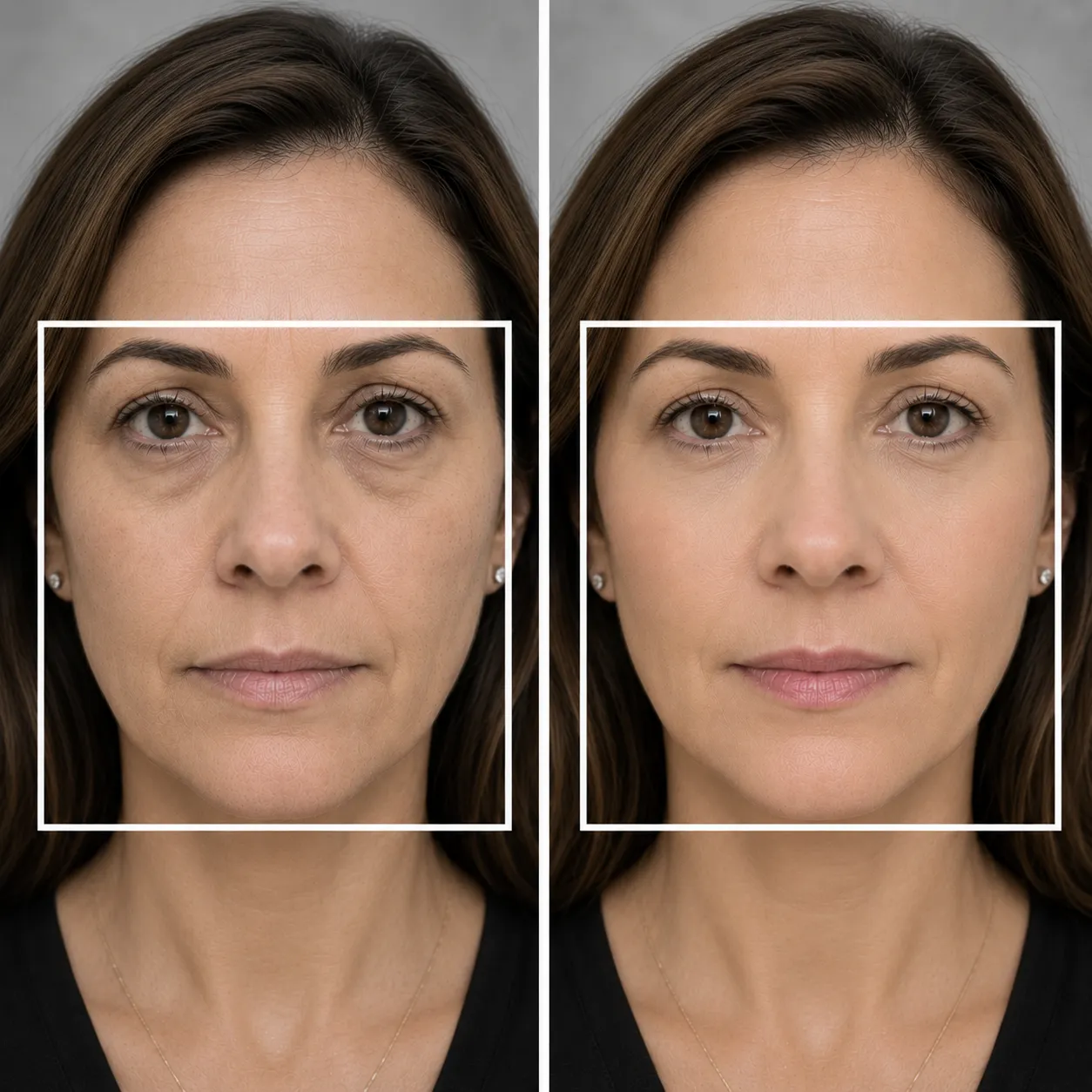
The Under-Eye Fix You've Been Missing
Tricia Jenner
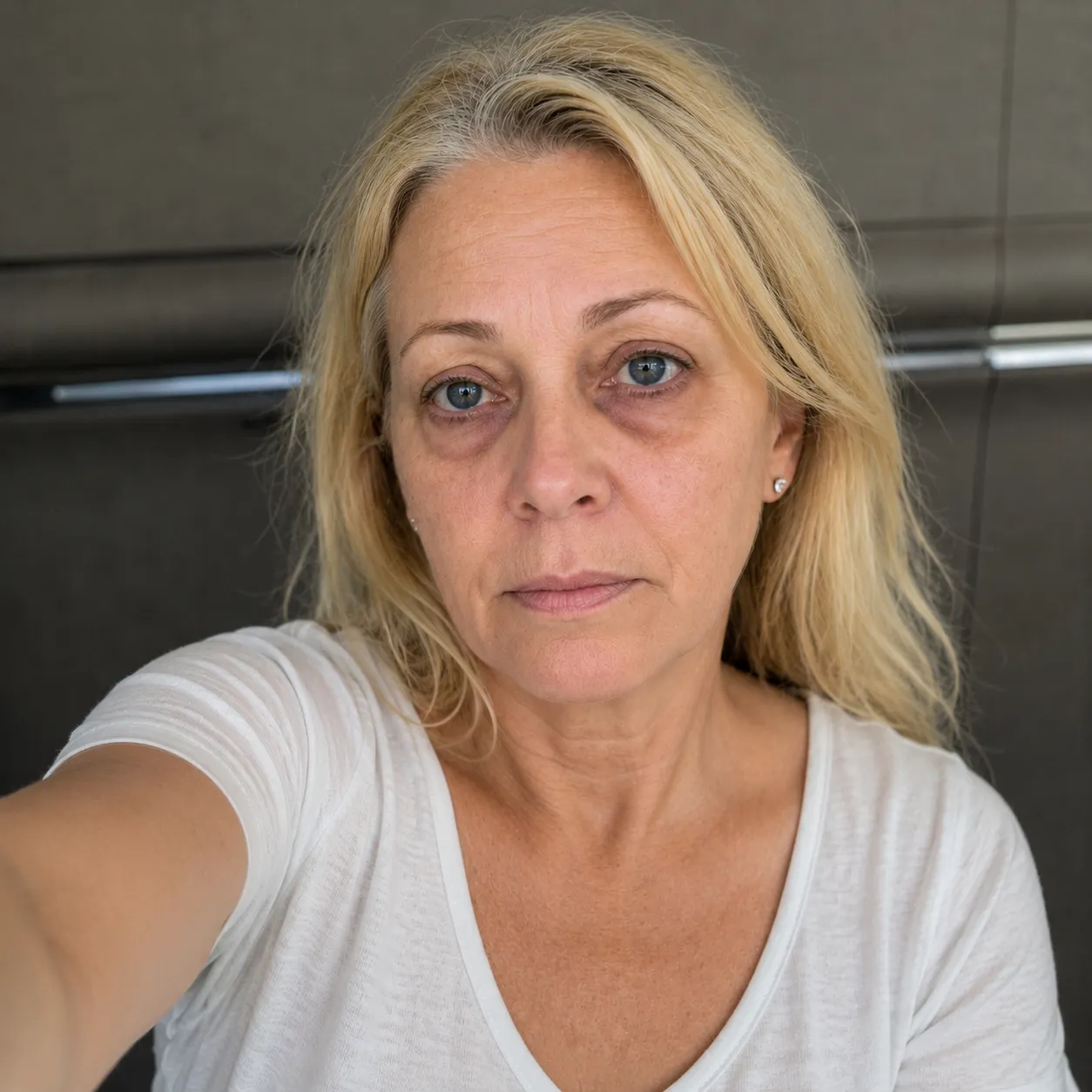
The Under-Eye Fix You've Been Missing
Tricia Jenner
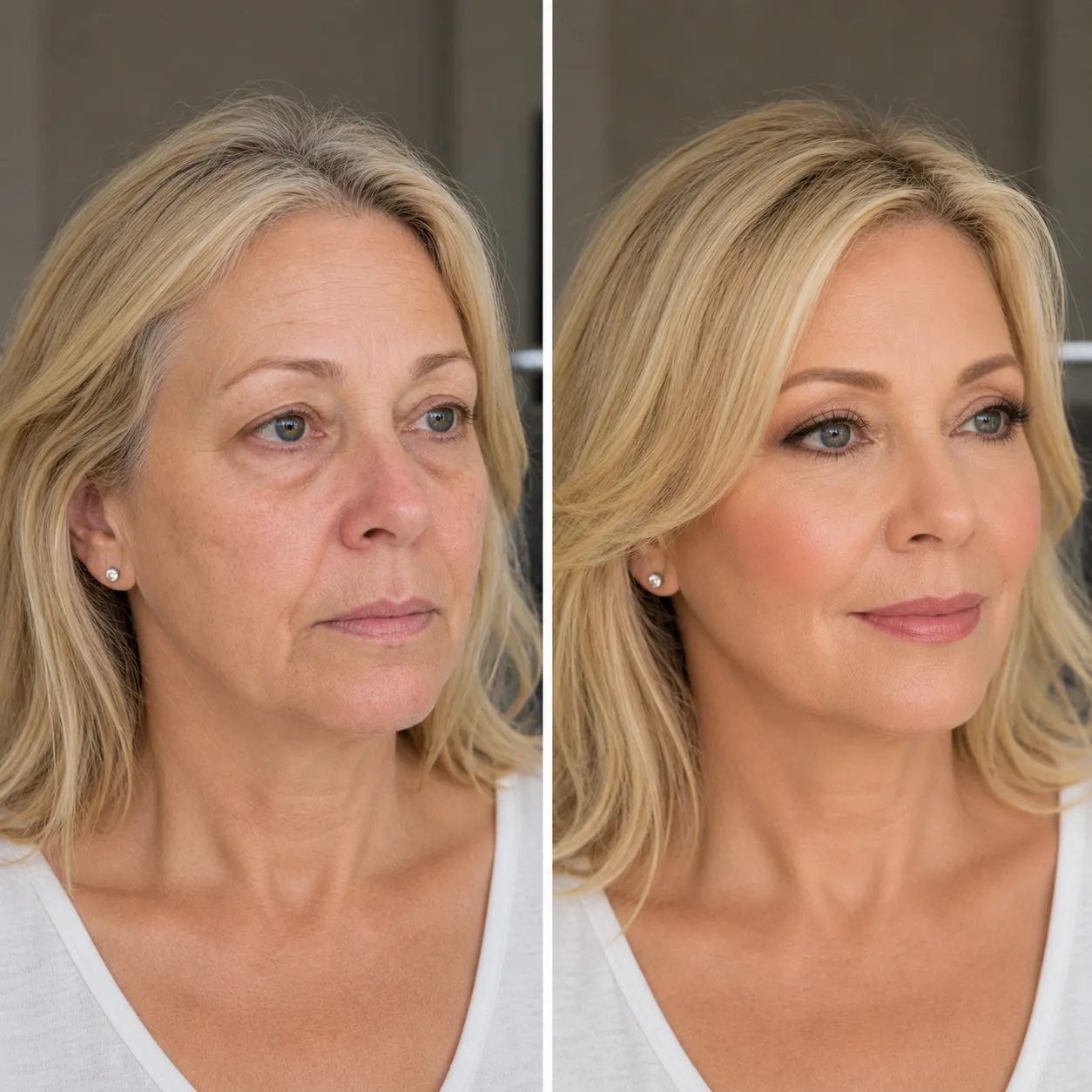
The Under-Eye Fix You've Been Missing
Tricia Jenner
The Under-Eye Fix You've Been Missing
Tricia Jenner
Lashes Changed. Mascara Should Too.
Tricia Jenner
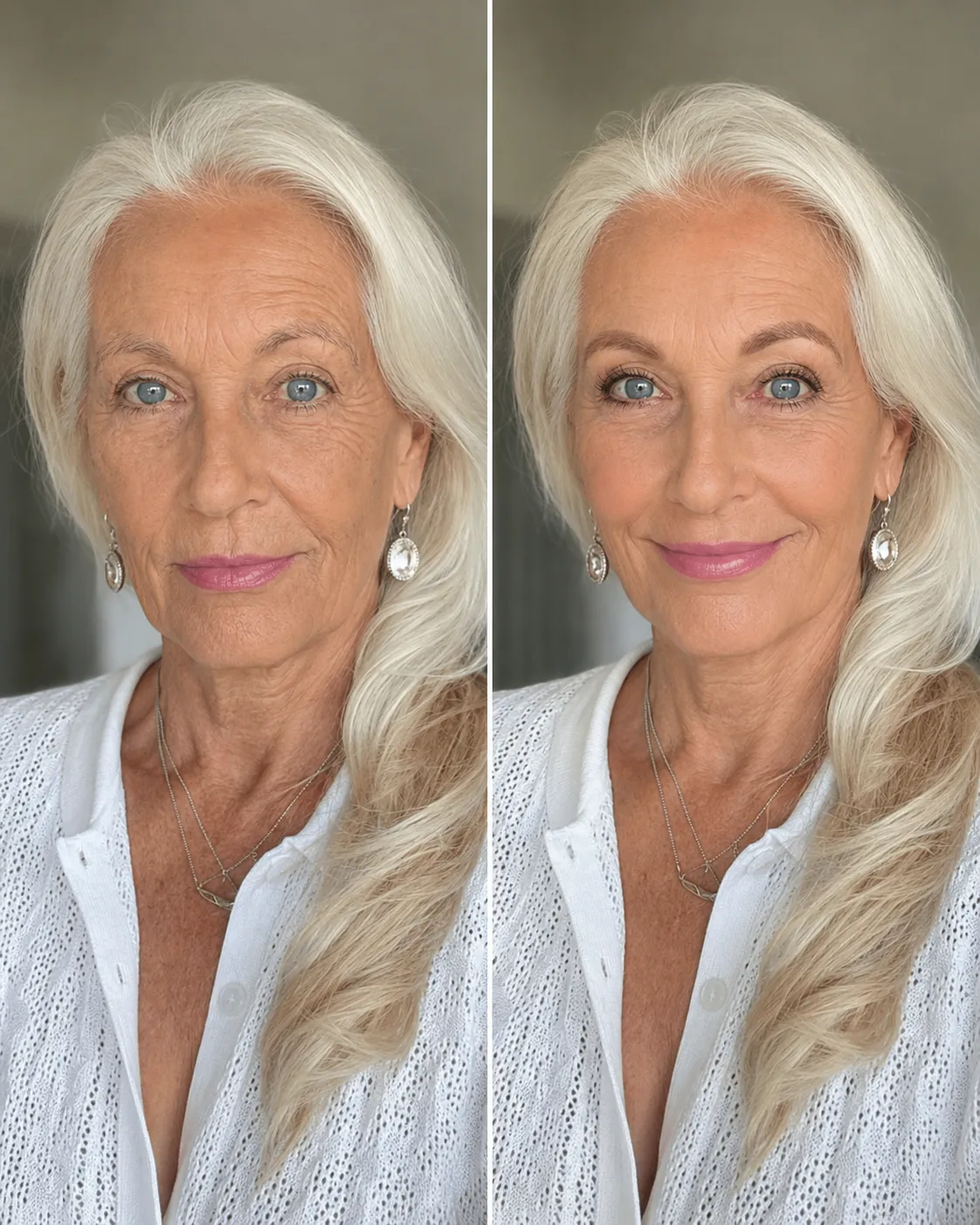
Stop Drawing Them On
Tricia Jenner
Brows That Wow at Any Age
Tricia Jenner
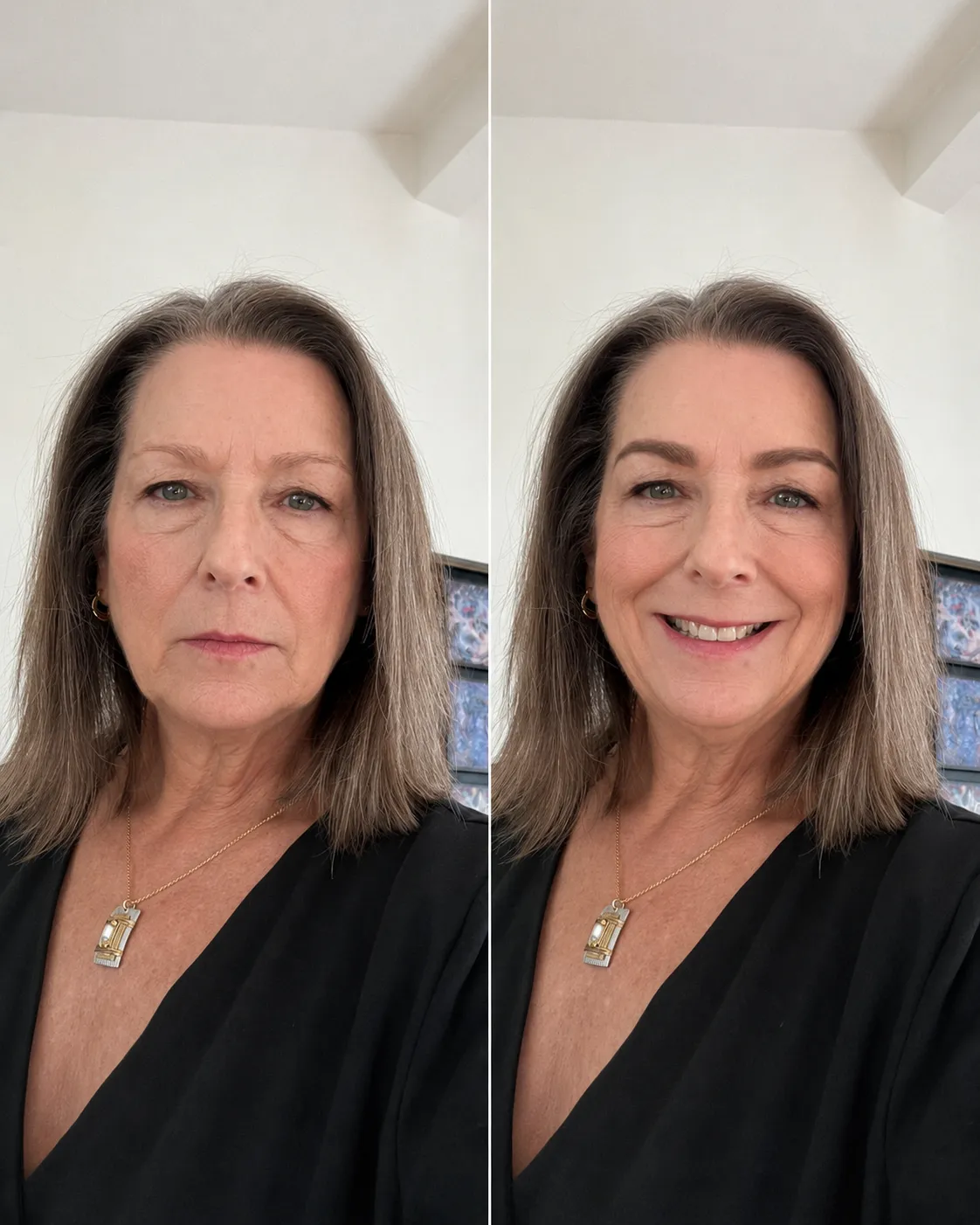
Stop Drawing Them On
Tricia Jenner
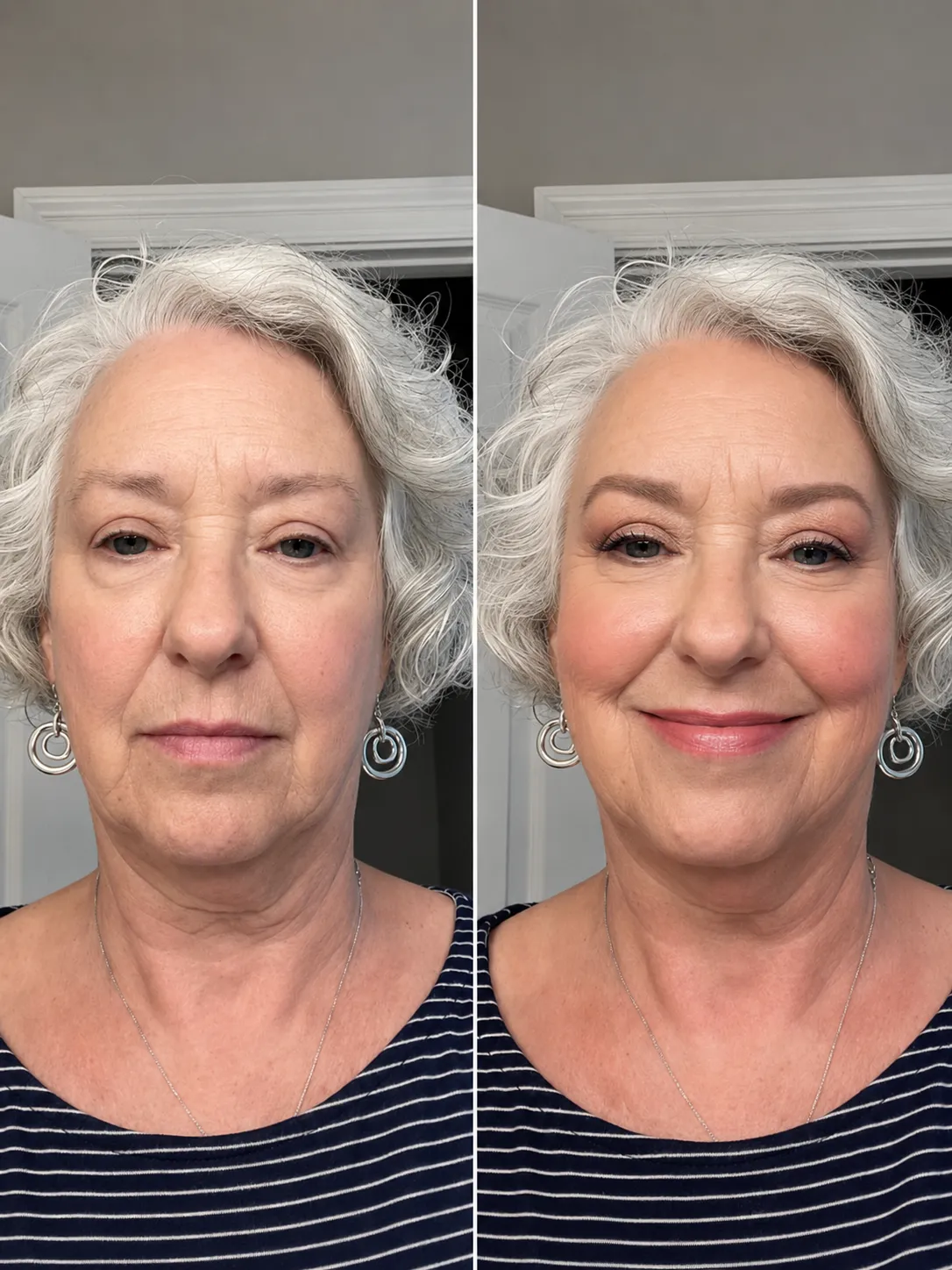
Stop Drawing Them On
Tricia Jenner
Hairline Powder For Gray Root Coverage
Tricia Jenner
The Under-Eye Fix You've Been Missing
Tricia Jenner
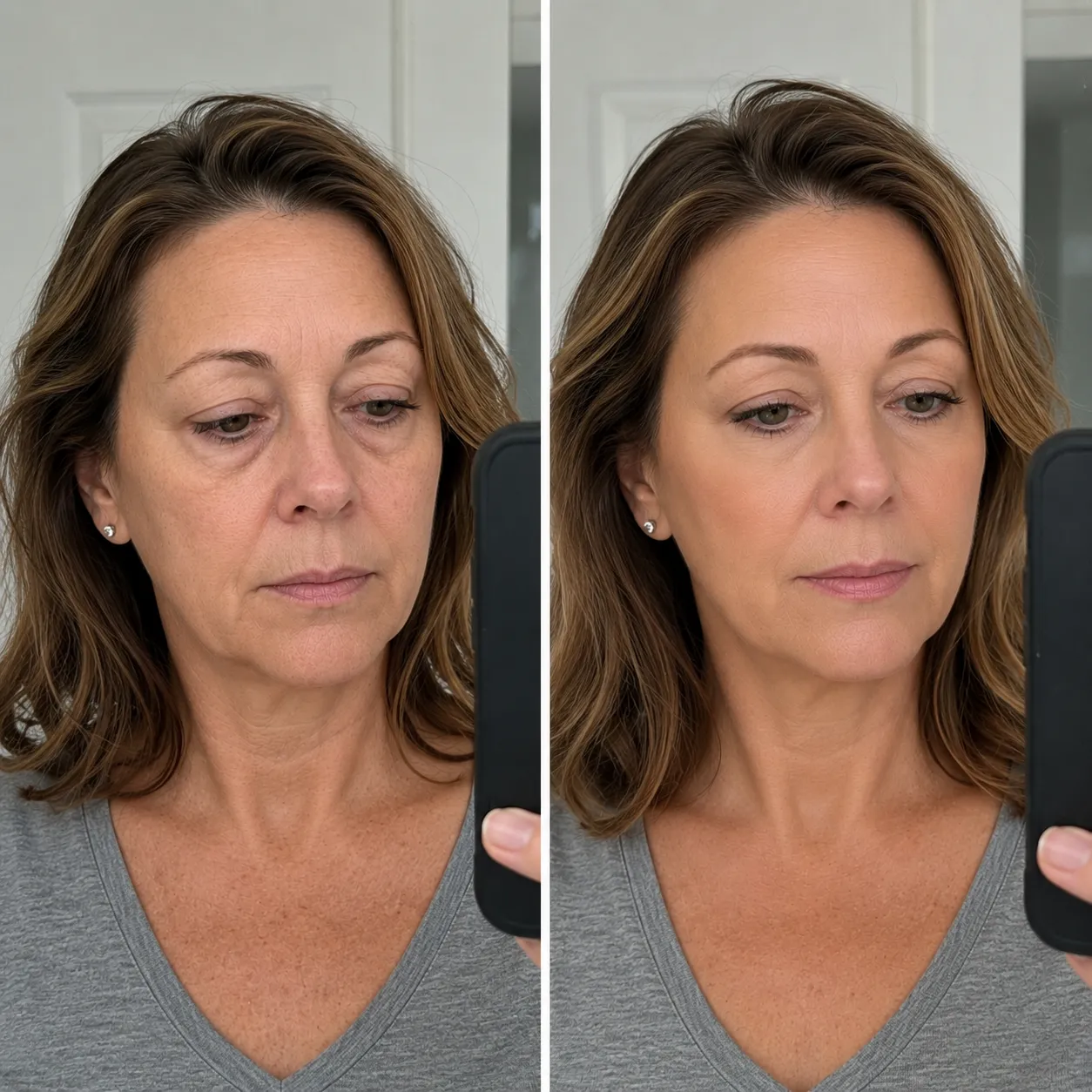
The Under-Eye Fix You've Been Missing
Tricia Jenner

 Add to Chrome