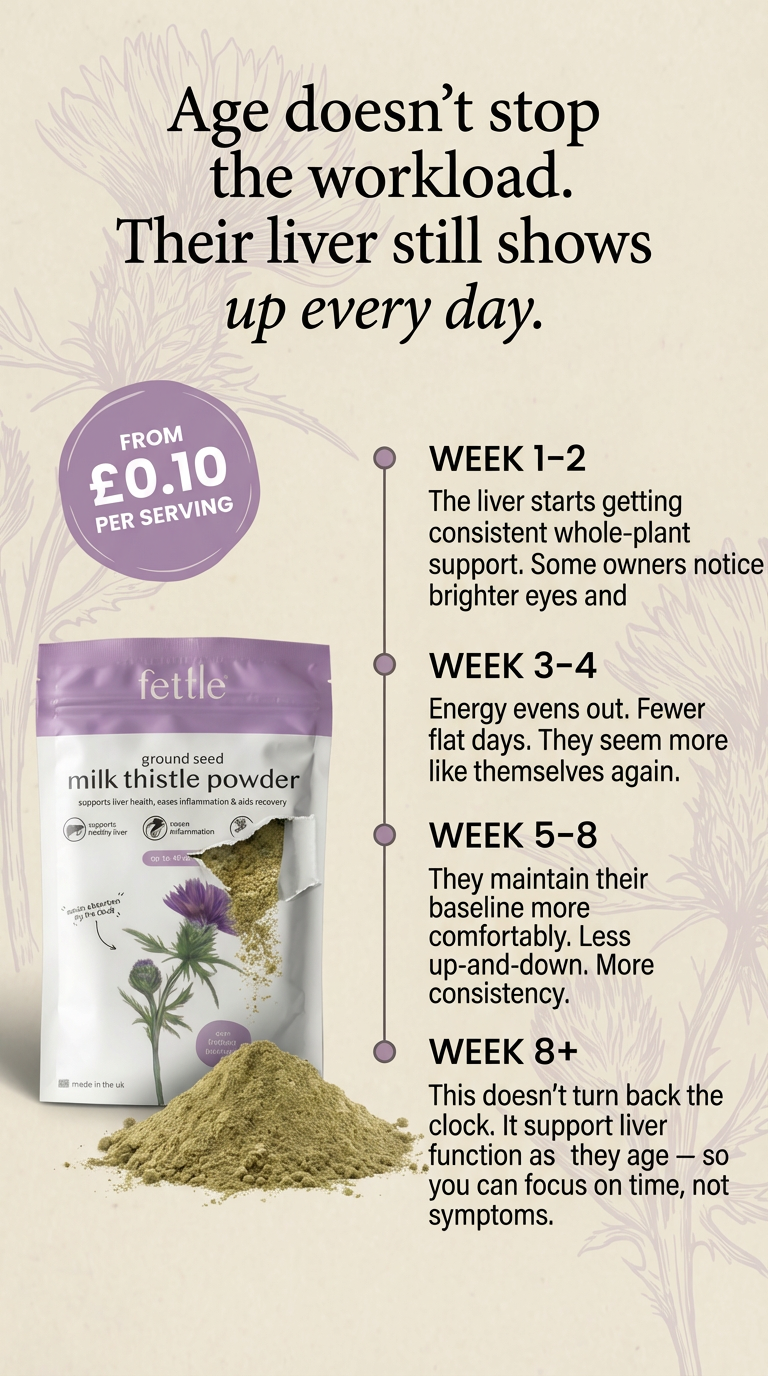
We thought he was just getting old...
Ad Copy
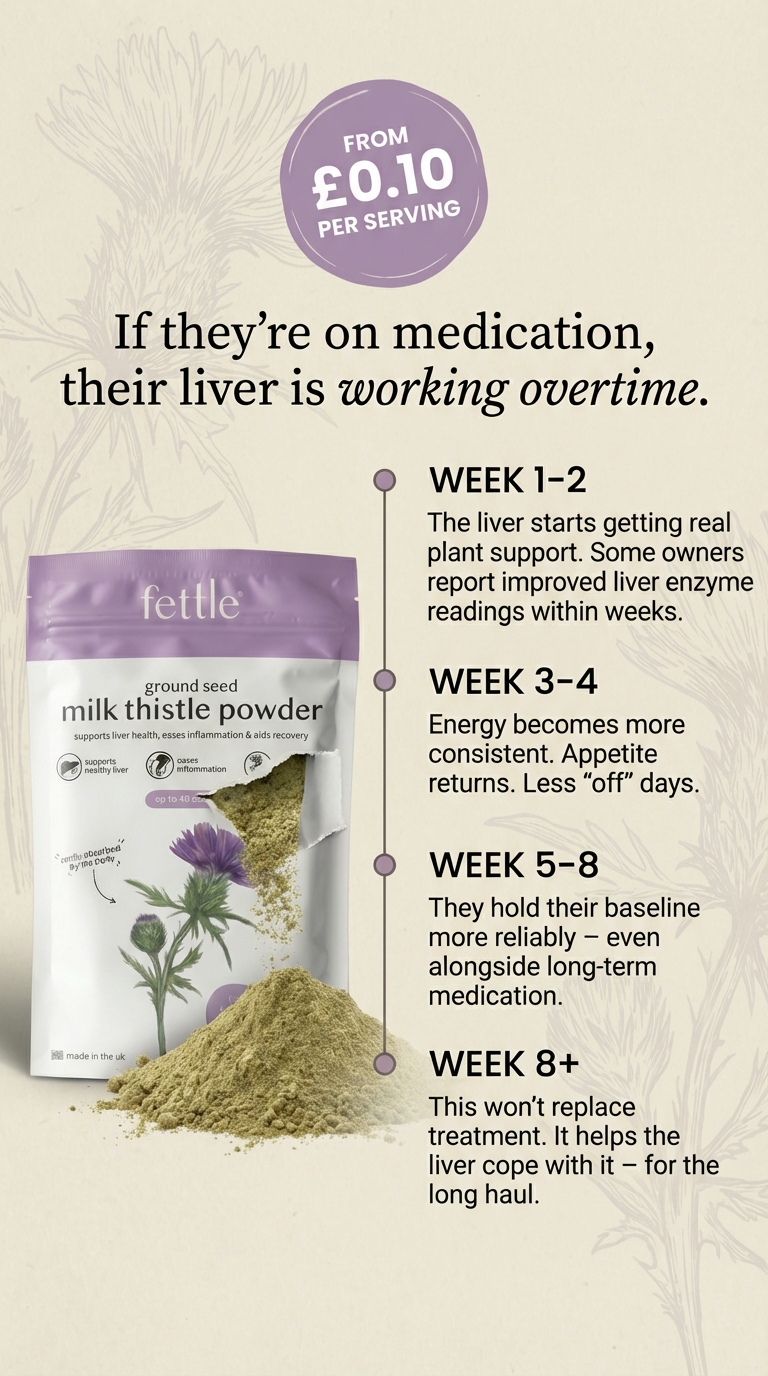
I’ll tell you exactly why we use milk thistle. This isn’t theory. It’s Digby. He started getting fatty lumps. He was slower. A bit “off”. Slightly disoriented at times. The vet said it was common for older dogs. Surgery was an option. So were medications. But something didn’t sit right with me. Later we found out he’d had a burst ear drum. Infection. Inflammation. His body had been under stress for weeks. And when the body is under stress, the liver takes the hit. The liver is the organ that filters toxins, processes medication, manages inflammation. It works quietly in the background — until it’s overwhelmed. That’s when I started properly looking into milk thistle. Milk thistle seed contains a compound called silymarin. Silymarin is the active plant compound that: • Supports normal liver cell regeneration • Helps the liver break down toxins more efficiently • Acts as an antioxidant to reduce oxidative stress • Supports healthy liver enzyme balance In simple terms — it helps the liver cope. Not by masking symptoms. Not by sedating the dog. But by supporting the organ doing the heavy lifting. So we introduced whole ground milk thistle seed into Digby’s food. No tablets. Not a sweetened dropper. Not a chew full of fillers. Just the whole seed, ground properly so it mixes into food easily. Within 1–2 weeks the lumps started softening. His appetite improved. The slight disorientation eased. By week 3–4 he felt steadier. By week 5–8 it was like having my old dog back. It didn’t “cure” anything. It supported his liver so his body could do what it’s designed to do. And here’s the part that frustrates me about this industry… Some “liver support chews” are over £1 per chew. Full of binders. Sweeteners. Flavourings. You’re paying premium prices for processed treats. Ours? Whole ground milk thistle seed. From £0.10 per serving. Pennies to support the organ processing every toxin, every medication, every inflammatory response in your dog’s body. If your dog is: • On long-term medication • Recovering from illness • Showing raised liver enzymes • Getting older • Or just under stress Their liver is working overtime. Support it. That’s why we made this. And that’s why Digby still has it as part of his diet. — Taylor
More from Fettle
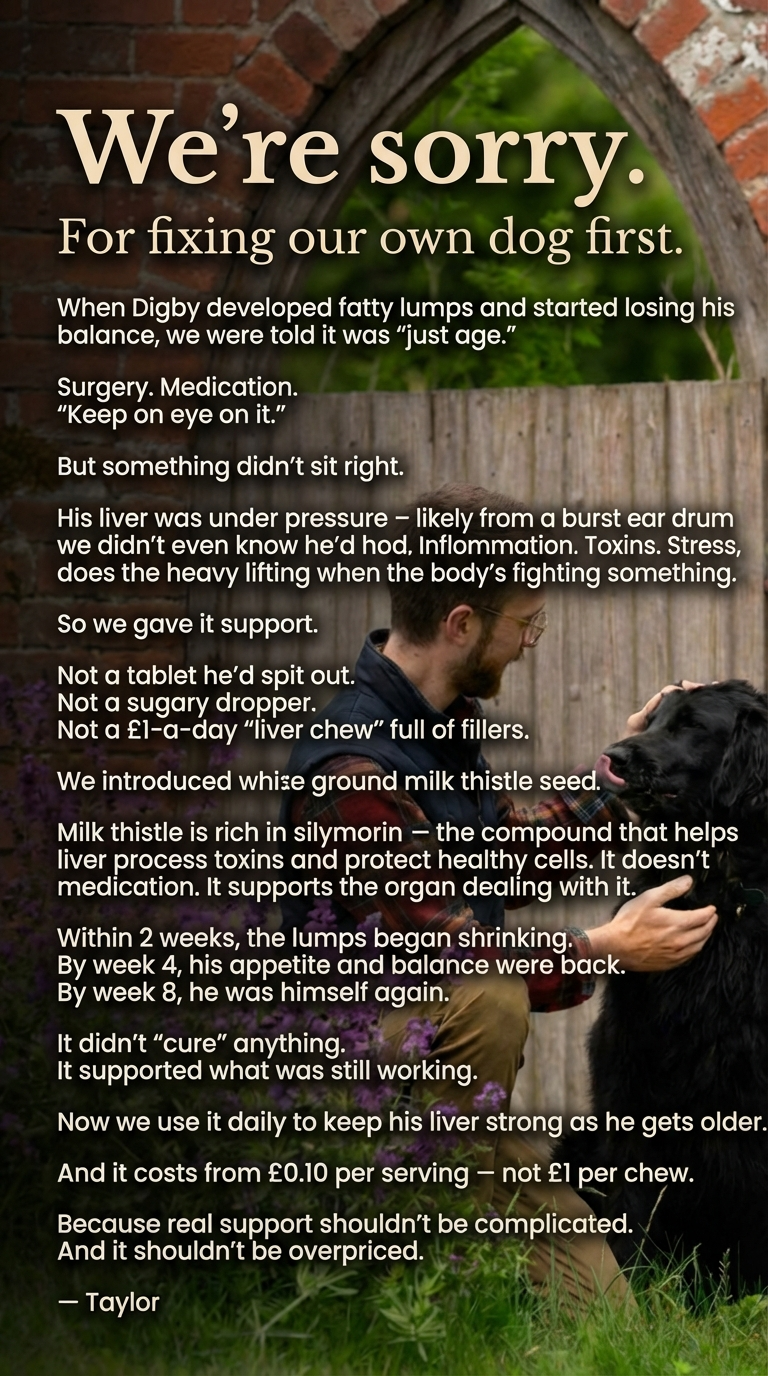
We thought he was just getting old...
Fettle
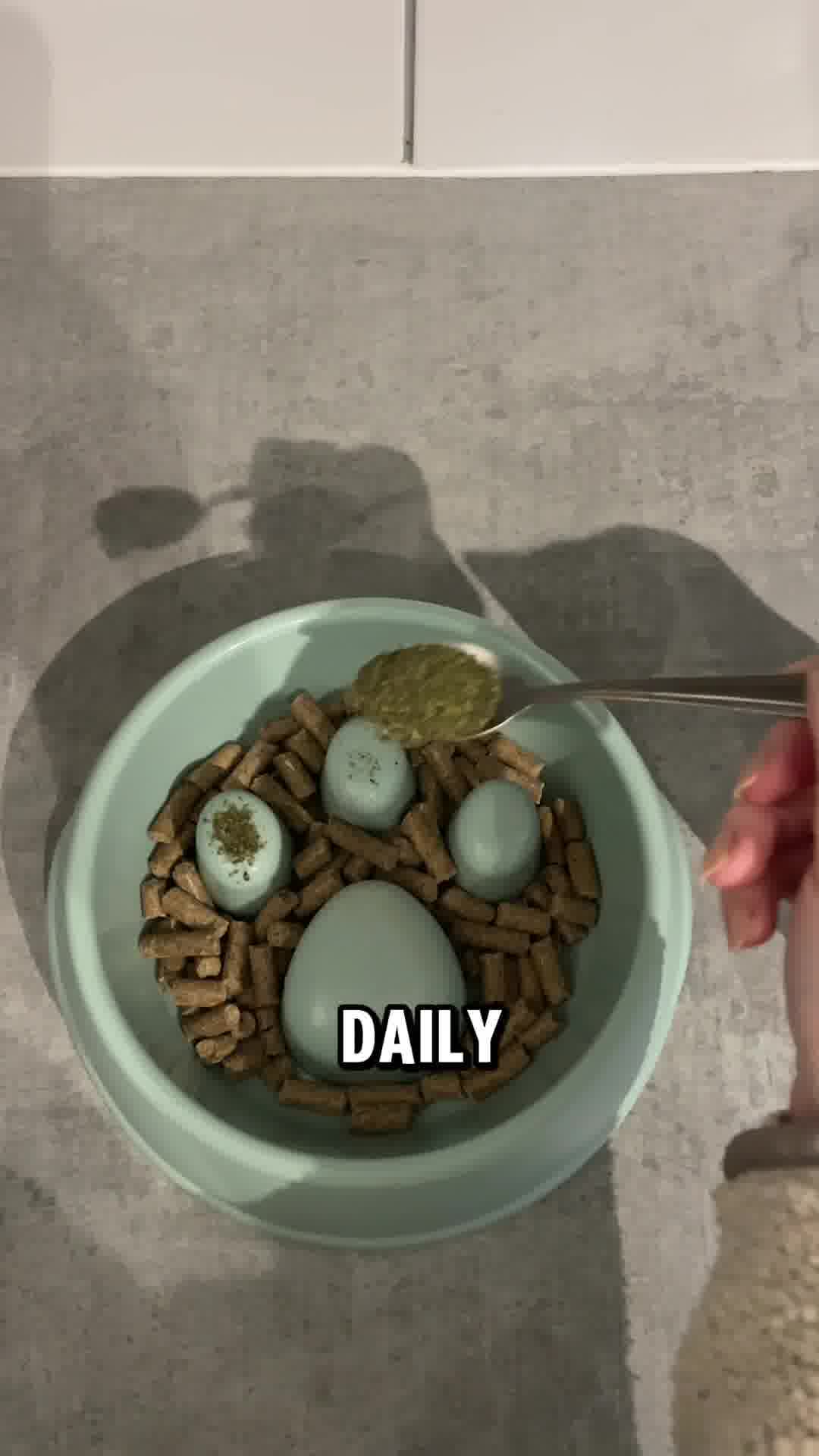
Save 35% Today! 🐶
Fettle
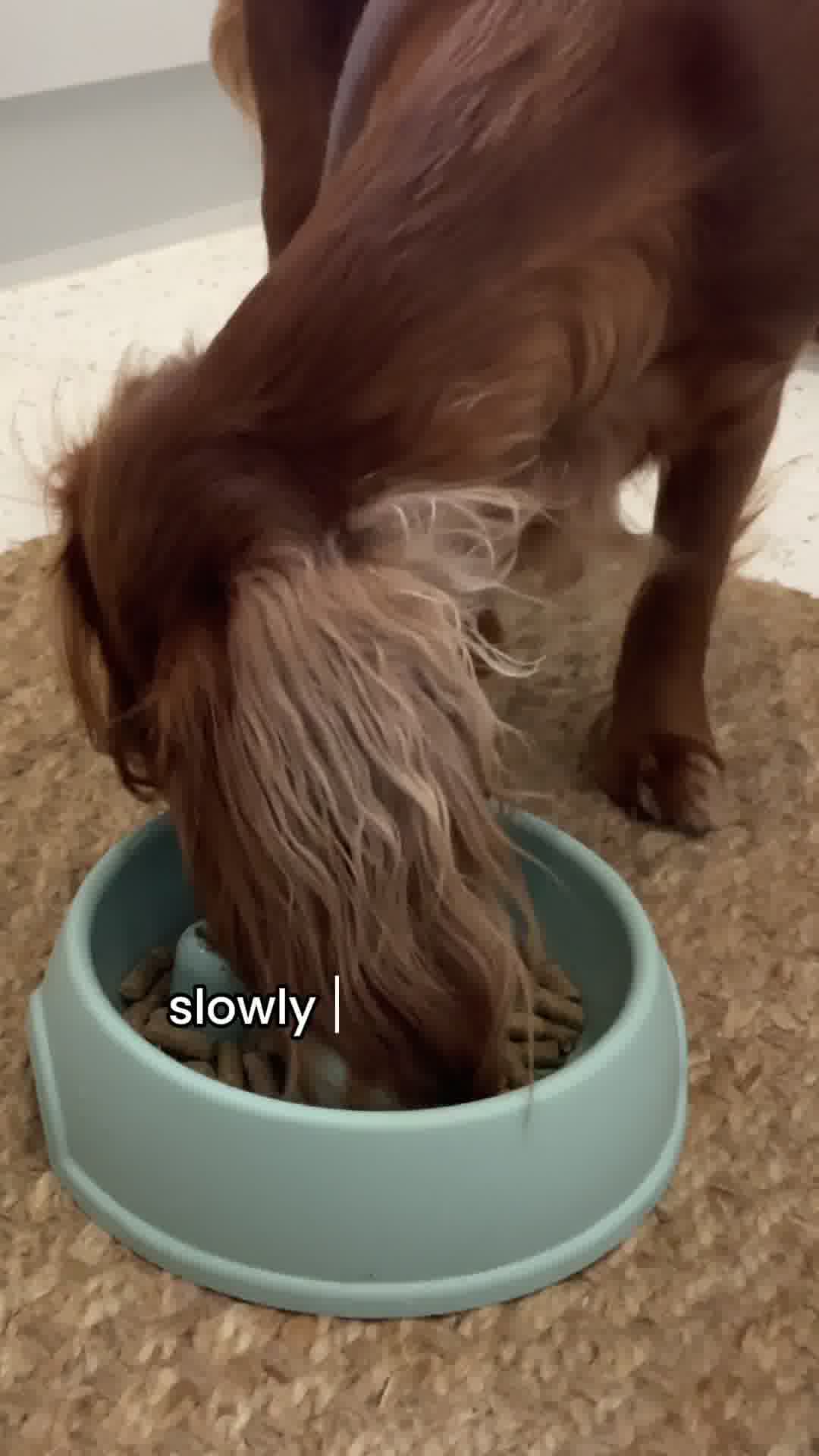
Save 35% Today! 🐶
Fettle
Save 35% Today! 🐶
Fettle
Save 35% Today! 🐶
Fettle
We made this for him.
Fettle
We made this for him.
Fettle
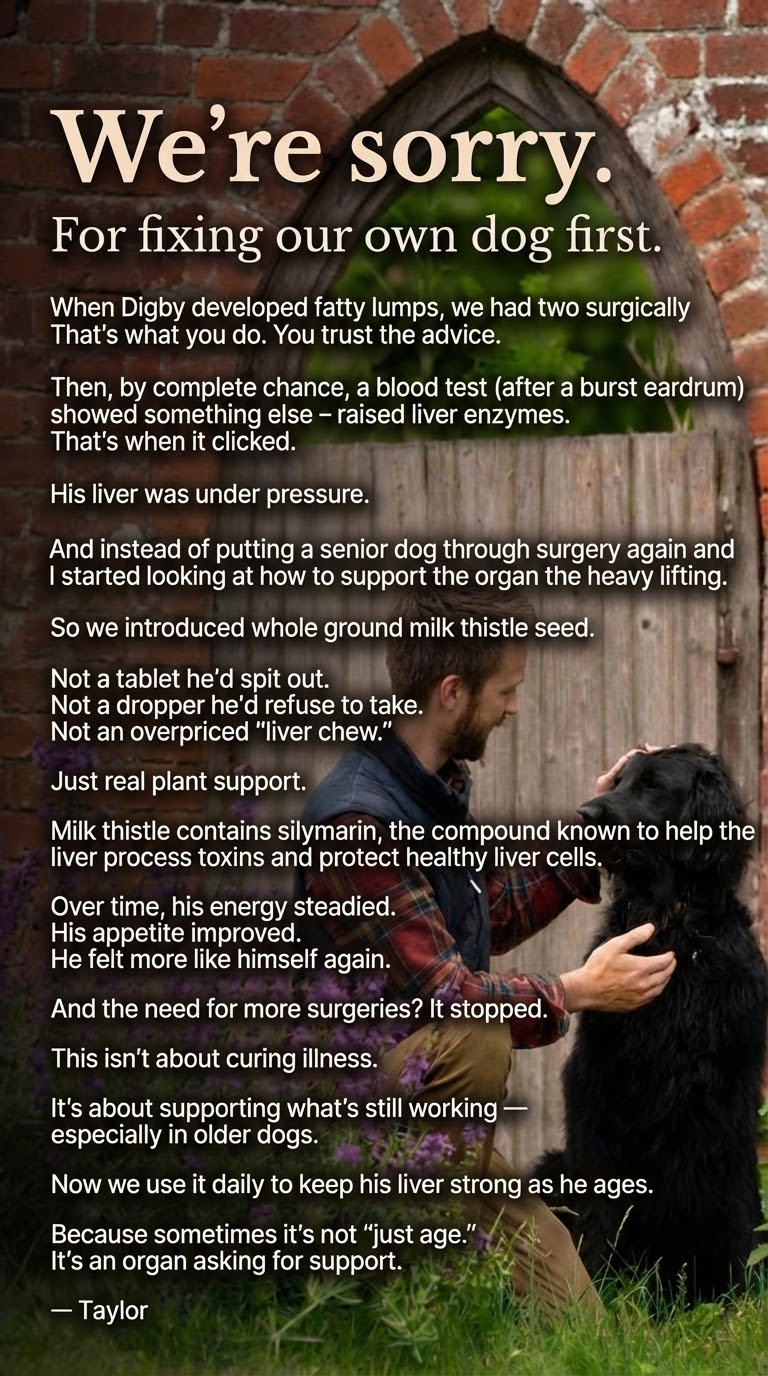
We thought he was just getting old...
Fettle
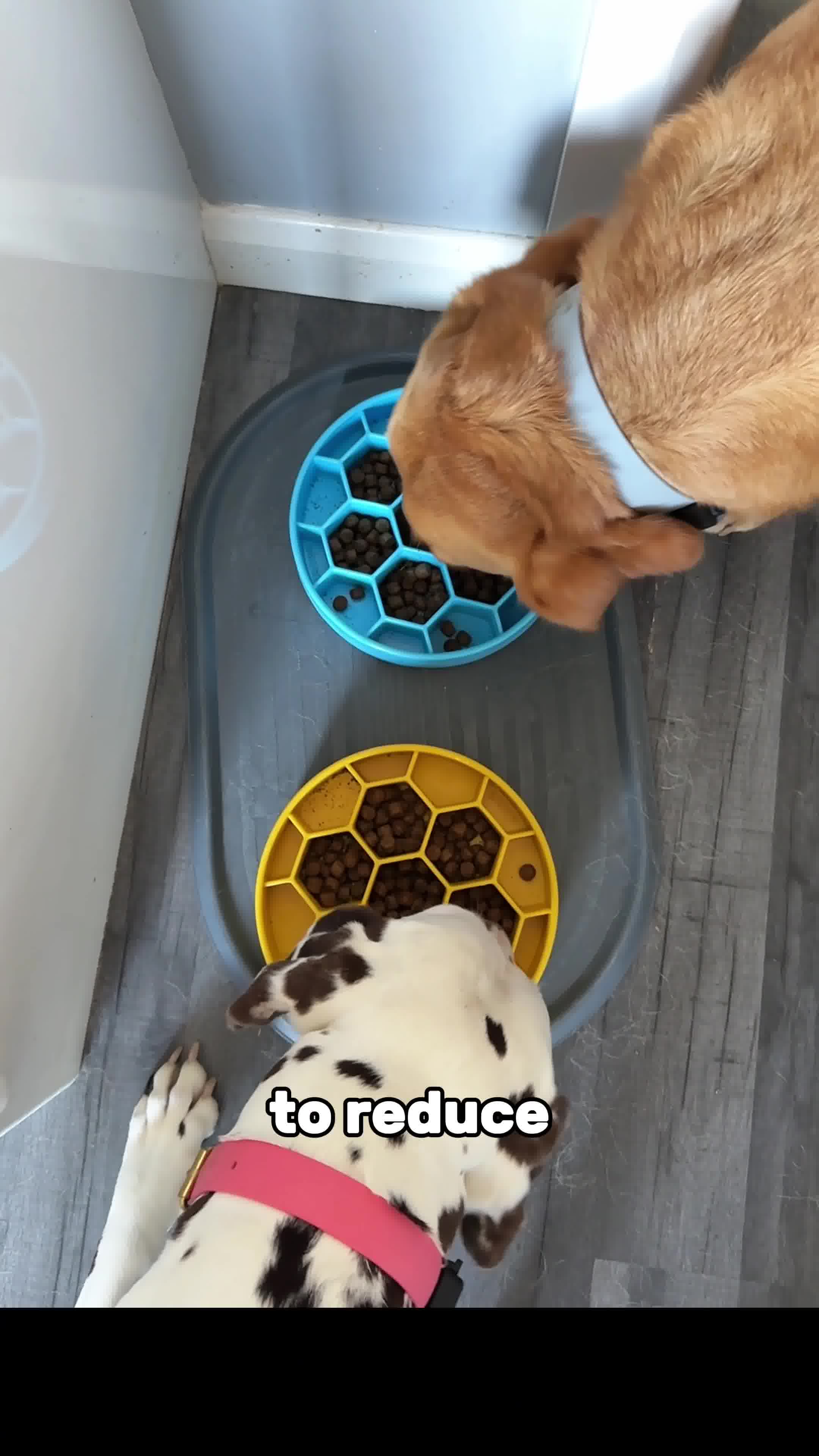
⚠️ WARNING: Stop Feeding Dental Sticks!
Fettle
🤢 Ditch Dog Breath Naturally! 🦷
Fettle
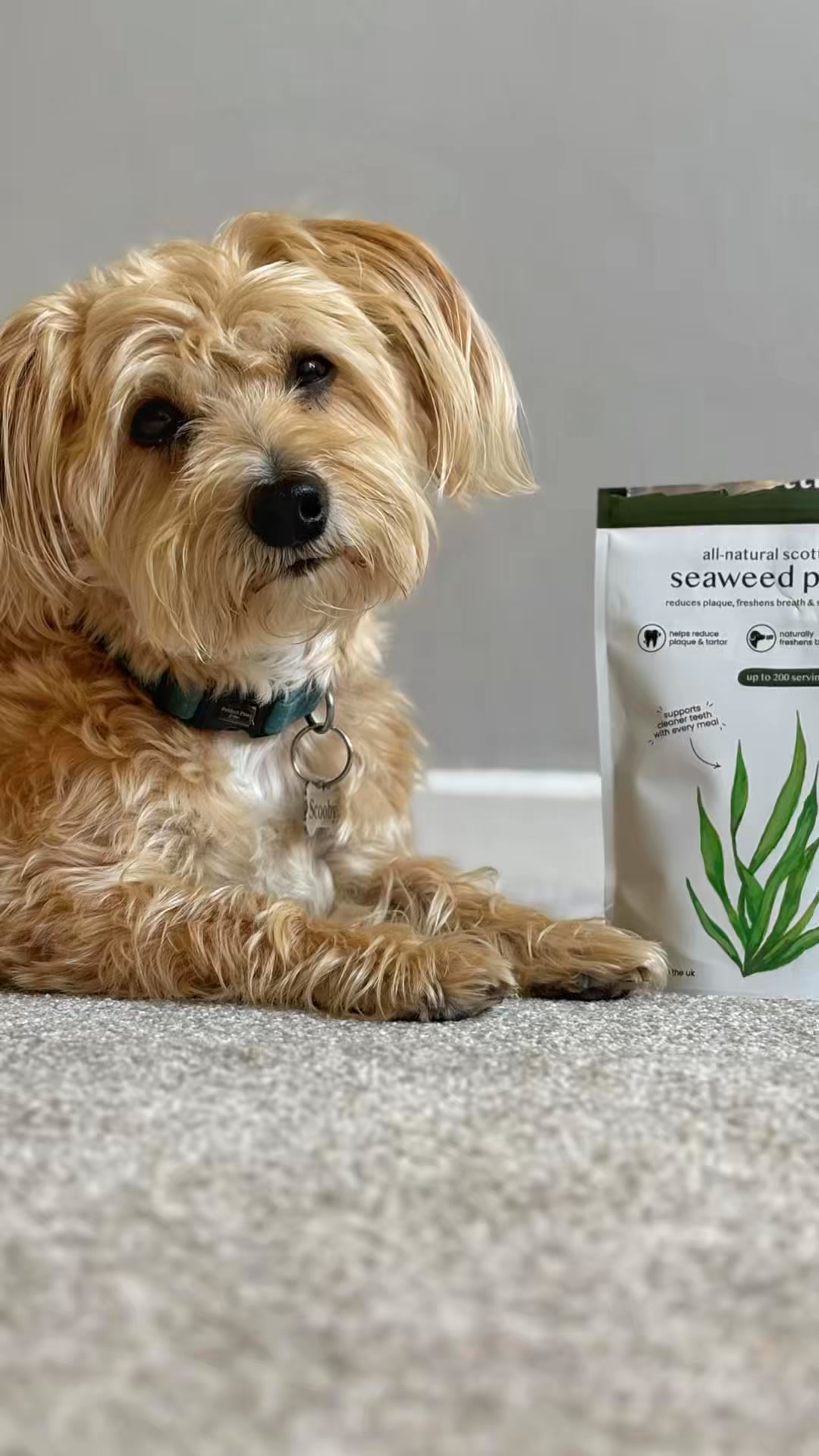
🤢 Ditch Dog Breath Naturally! 🦷
Fettle
We thought he was just getting old...
Fettle

 Add to Chrome