
Skinny Jade Ring Made From Genuine Jade
Ad Copy
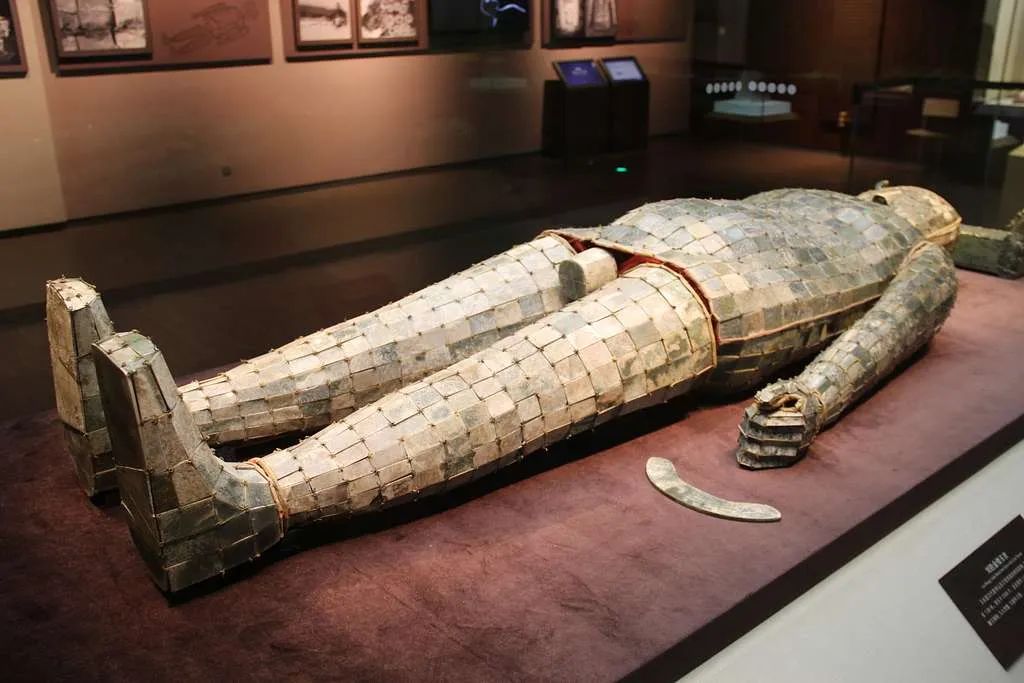
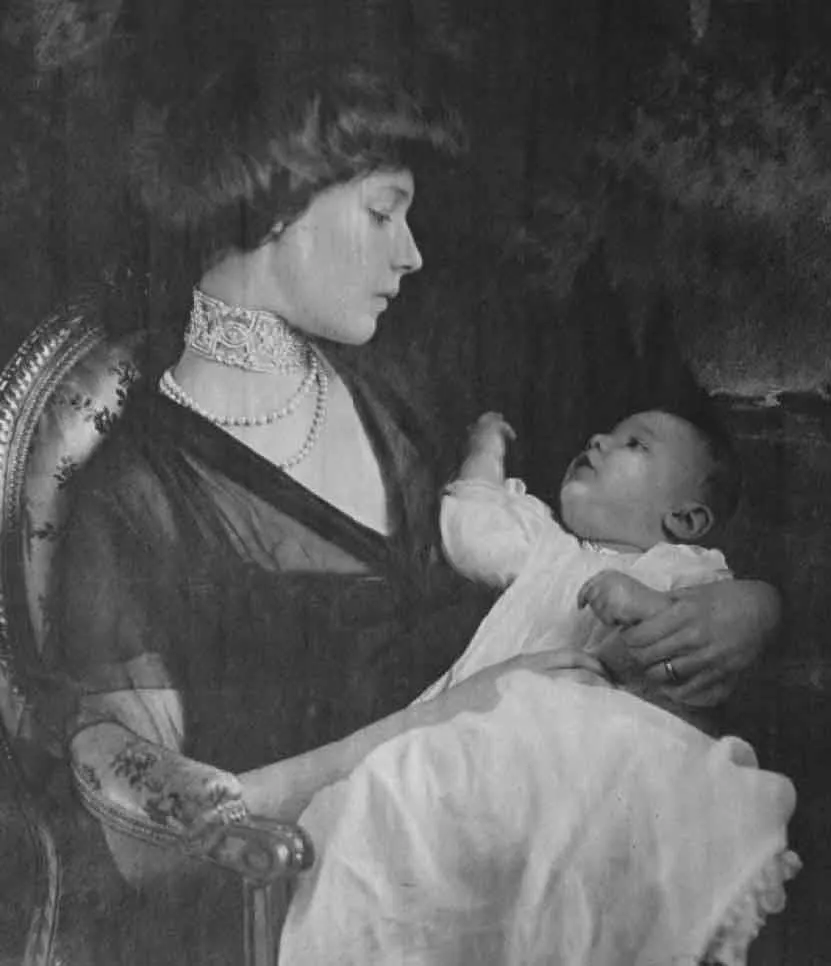
You won't believe what Edith Vanderbilt, one of the wealthiest women in America, supposedly kept on her hand through some of the hardest years of her life. It wasn't a diamond. It wasn't one of the enormous gemstones you'd expect from a Vanderbilt. It was a thin jade ring. I give tours of the Biltmore for a living. If you don't know it, the Biltmore is the largest privately owned home ever built in America. 250 rooms. 35 bedrooms. Dozens of fireplaces. Indoor plumbing at a time when much of the country was still using outhouses. George Vanderbilt built it in the mountains of North Carolina during an era when the Vanderbilt name represented almost unimaginable wealth. I've walked thousands of people through that house. They stop for the paintings. They stare at the ceilings. They ask about the parties, the servants, the bedrooms and the gardens. But there was one story I heard that completely changed the way I looked at Edith Vanderbilt. And strangely enough, it had almost nothing to do with money. It had to do with a ring. Edith Stuyvesant Dresser married George Vanderbilt in 1898. They had one daughter, Cornelia. They lived on an estate that once stretched across more than 100,000 acres. They entertained politicians, artists and some of the most influential people in America. Then in 1914, George Vanderbilt died unexpectedly. He was only 51. Edith was 40. And suddenly the woman who had lived one of the most privileged lives in America was a widow. She still had the estate. She still had the Vanderbilt name. She still had more wealth than most people could imagine. But none of those things could protect her from grief. Years ago, I heard a story about Edith that I couldn't stop thinking about. She supposedly began wearing a thin piece of jade after George died. Not a giant emerald. Not a diamond. Jade. And she wore it close to her body. The story sounded strange to me at first. Why would a Vanderbilt choose something so simple? Then I learned what jade meant. Across generations of Chinese culture, jade has been associated with protection, harmony, balance and good fortune. But there is one old belief surrounding jade that fascinated me more than anything else. Some believed jade didn't simply symbolize protection. They believed it could take misfortune meant for the person wearing it. That's why you occasionally hear something unusual when an old jade bracelet or ring cracks. Instead of saying: “My jade broke.” Some families say: “It protected me.” The belief is that the jade took the impact. The bad energy. The misfortune. Whatever was coming toward you. And when I heard that, Edith's little ring suddenly made more sense. Imagine being her. Your husband dies unexpectedly. Your entire life changes. The estate is under enormous financial pressure. Land has to be sold. Responsibilities that once belonged to your husband suddenly belong to you. Everywhere you go, people know exactly who you are. Everyone watches. Everyone asks how you're doing. Everyone expects you to remain composed because you're Edith Vanderbilt. And sitting quietly on your hand is one small circle of jade. Not something meant to impress anybody. Something meant for you. I eventually heard more about the tradition from an older woman on one of my tours. She had stopped near one of the displays and kept staring at my hand while we talked. Eventually she pointed to my ring and asked: “Do you know what jade is supposed to do?” I told her I knew it represented luck. She shook her head. “That's only part of it.” Then she held up her wrist. She was wearing a jade bangle that looked like it had been there for decades. She told me her mother had given it to her when she was young. Her grandmother had worn jade. Her great-grandmother had worn jade. And every woman in her family had been taught the same thing: Keep jade close to your body. I asked her why. She said: “Because jade carries what you don't need to.” That sentence stopped me. She explained the old belief. Jade represented protection. Balance. Good fortune. And protection from negative energy. Then she told me something even stranger. Her mother's jade bracelet cracked years earlier. She remembered her mother staring at it and becoming upset. Her grandmother looked at her and said: “Don't cry. It did its job.” I had heard variations of that belief before. But hearing someone describe it as something passed from mother to daughter made it feel completely different. Suddenly I understood why people wore jade every single day. It wasn't supposed to sit inside a jewelry box. It was supposed to be with you. Against your skin. When you left the house. When you traveled. When you were nervous. When life felt uncertain. The jewelry itself became a physical reminder: I am protected. That's when I started thinking about Edith Vanderbilt again. Maybe that is why a woman who could have worn practically any gemstone in the world would be drawn to something as understated as jade. Because diamonds tell everyone else what you have. Jade can remind you of what you're carrying. And that's the difference. I started looking for a piece of jade I could wear every day. Most of what I found was either enormous jade bangles or expensive statement jewelry. I didn't want that. I wanted the kind of thing you almost forgot you were wearing. Something thin. Something simple. Something I could look down at during a difficult day and immediately remember what it represented. That's when I found the Skinny Jade Ring from Tulas. It immediately reminded me of the Edith story. No giant stone. No elaborate setting. No flashy design. Just a thin circle of jade. And that's exactly why it works so well. Because the mechanism isn't about somebody across the room noticing your jewelry. It's about having jade physically sitting against your skin throughout your day. You see it while you're driving. You notice it while you're working. You turn it around your finger when you're anxious. Your thumb finds it before an important conversation. And every time you notice it, you're reminded of the same thing women have associated with jade for generations: Protection. Balance. Good fortune. Peace. It becomes almost like a tiny physical anchor. I bought one for my mother. My mom worries about everything. Her kids. Her family. Money. Travel. Whether everyone got home safely. Whether something bad is about to happen. She has always been that way. So when I gave her the ring, I explained what jade traditionally represented. Then I told her about the old belief that jade could absorb negative energy or misfortune. And finally I told her the line I couldn't get out of my head: If the jade ever breaks, some people believe that means it protected you. She looked down at the ring for a few seconds. Then she slid it onto her finger. That was months ago. She barely takes it off. And the strangest part is how often I catch her touching it. She'll be sitting in the passenger seat and unconsciously spin it around her finger. If she's waiting for important news, her thumb goes straight to it. Before traveling, she checks that it's there. One afternoon I finally asked her why she liked it so much. She looked down at her hand and said: “It just makes me feel like I'm carrying something good with me.” And I think that's the entire point. Jade isn't a promise that nothing difficult will ever happen. It isn't magic. It's something far more human than that. A symbol. Something physical you can carry when the world feels unpredictable. Something that reminds you: Protect your peace. Keep good things close. Let everything else pass through. And suddenly I understood why jade jewelry has survived for generations while thousands of jewelry trends disappeared. Because people will always want protection. They'll always want good fortune. They'll always want something that reminds them they're going to be okay. Maybe that's what Edith understood too. She had 250 rooms. Thousands of acres. Servants. Paintings. Money. One of the most recognizable family names in America. But when life became difficult, none of that mattered very much. Sometimes all you need is something small enough to fit around your finger. Something nobody else has to understand. The Skinny Jade Ring from Tulas was created around that same idea. It's deliberately thin enough to wear every day. You can stack it beside your normal rings or wear it completely by itself. Personally, I think it looks better alone. Quiet. Simple. Almost unnoticeable. Until you remember what it means. And there's something else I've noticed. Women rarely buy just one. They buy one for themselves. Then one for their mother. One for their daughter. One for the friend who's going through something difficult. Because plenty of gifts say: “I love you.” Very few say: “I want you protected.” And if you grew up around jade, you might already understand exactly what I'm talking about. Maybe your mother wore it. Maybe your grandmother did. Maybe somebody once told you never to panic when jade cracks. Because there is an old belief that when jade breaks while you're wearing it… You don't curse it. You thank it. It did its job. I think about that whenever I think about Edith Vanderbilt. One of the richest women in America could have worn anything. But the story that stayed with me wasn't about diamonds. It was about something far simpler. A small piece of jade. Something worn close. Something personal. Something that represented protection when life itself couldn't be controlled. You don't need 250 rooms. You don't need 100,000 acres. And you definitely don't need to be a Vanderbilt. Sometimes you just need something on your hand that reminds you: Whatever comes toward me doesn't have to stay with me. The brand is Tulas. Their Skinny Jade Ring is designed to be that everyday piece — thin, understated and easy to keep with you wherever you go. And right now, if you're thinking about someone in your life who could use a little more protection, peace or good fortune… This might be the gift. For your mother. Your daughter. Your sister. Your best friend. Or yourself. Because jewelry usually decorates your body. Jade carries a meaning. And if someday yours develops that tiny little crack? Remember what generations of women have said: Don't panic. It did its job. Link below: tulas.co/products/skinny-jade-ring-made-from-genuine-jade
More from Irma Osborne
Skinny Jade Ring Made From Genuine Jade
Irma Osborne
Morse Code Necklace
Irma Osborne
Morse Code Necklace
Irma Osborne
Morse Code Necklace
Irma Osborne
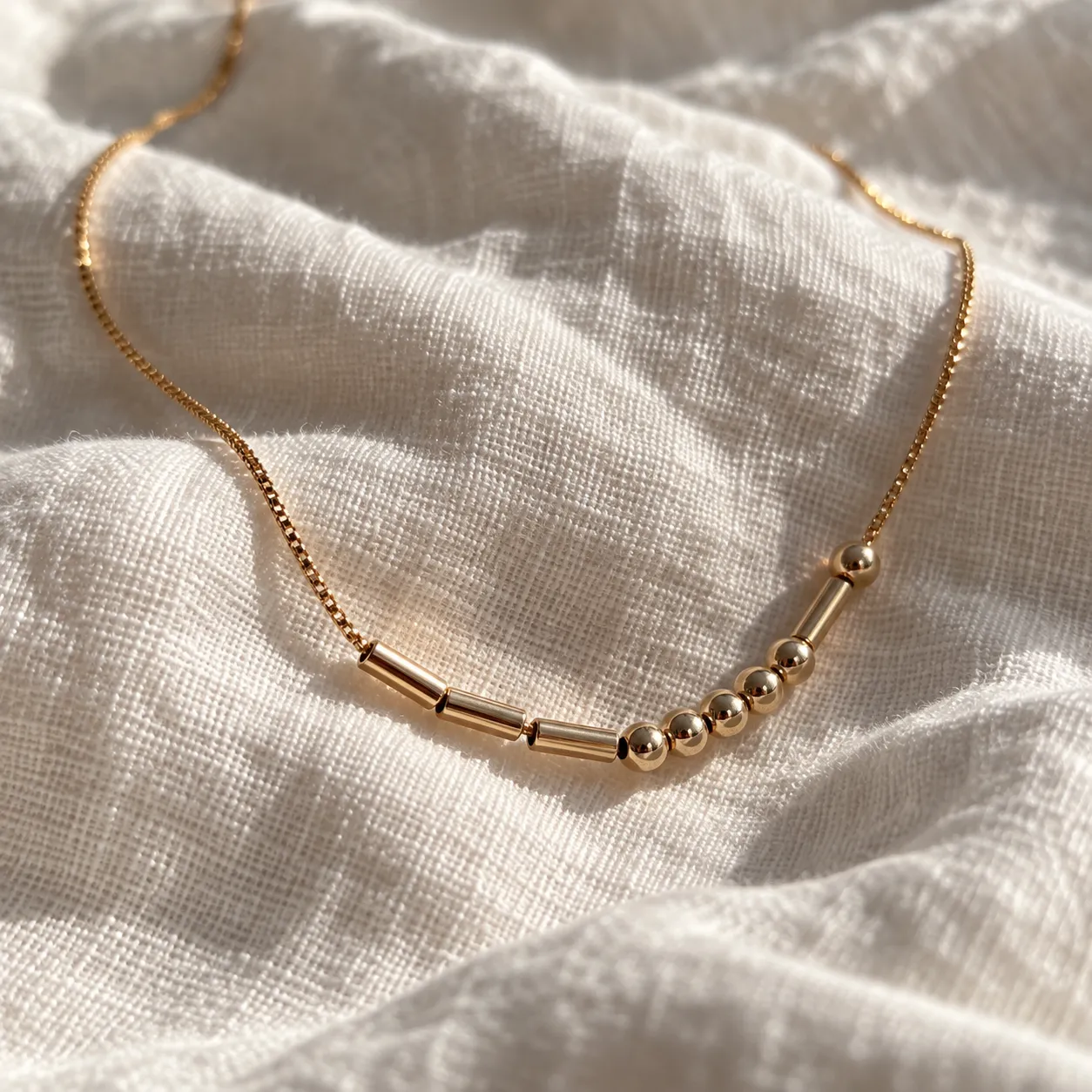
My Thoughts on Tulas 👆
Irma Osborne
What America's Richest Woman Wore 40+ Years 👆
Irma Osborne

Morse Code Necklace
Irma Osborne
What America's Richest Woman Wore 40+ Years 👆
Irma Osborne

Morse Code Necklace
Irma Osborne

Morse Code Necklace
Irma Osborne
Morse Code Necklace
Irma Osborne
Morse Code Necklace
Irma Osborne

 Add to Chrome