Morse Code Necklace
Ad Copy
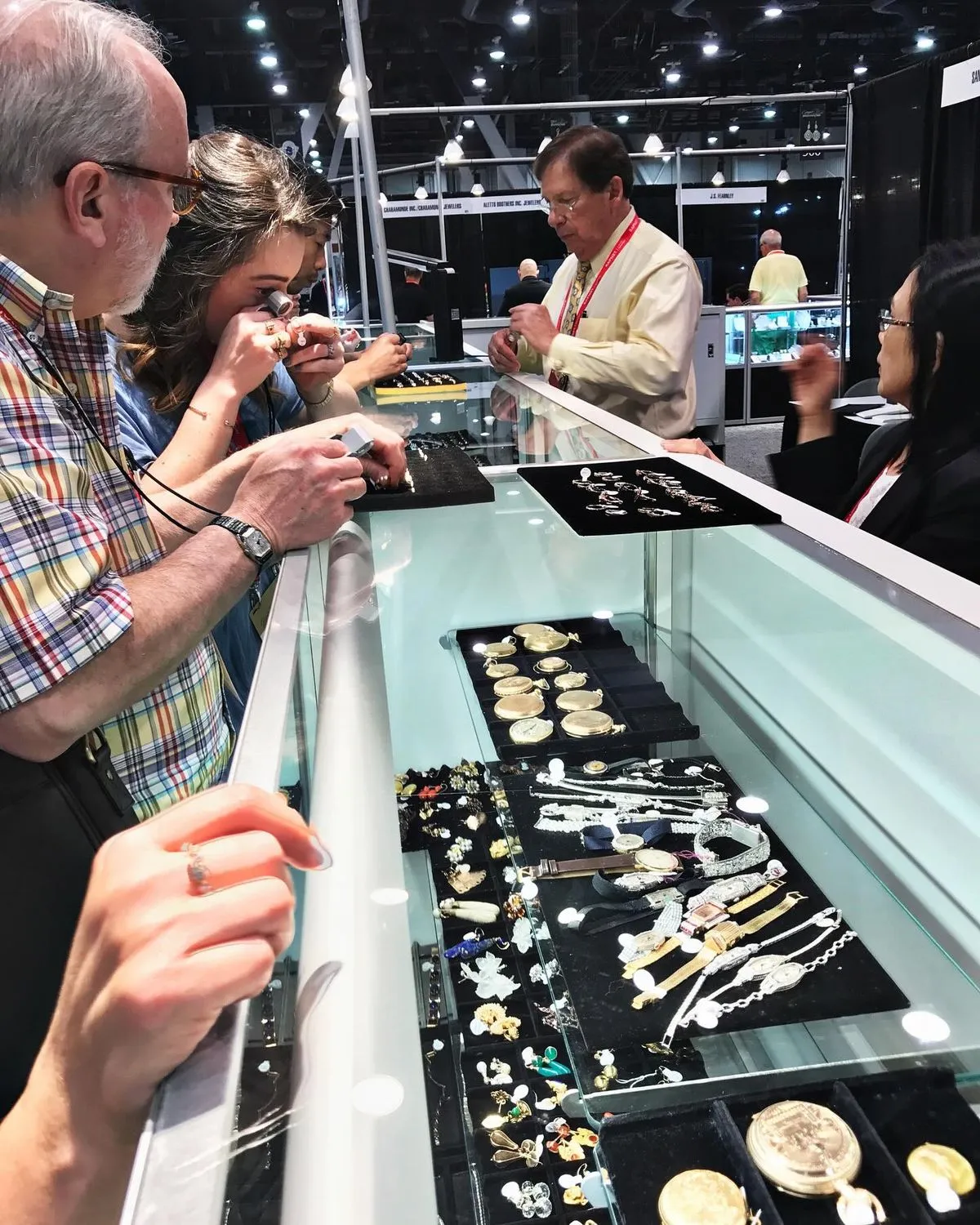
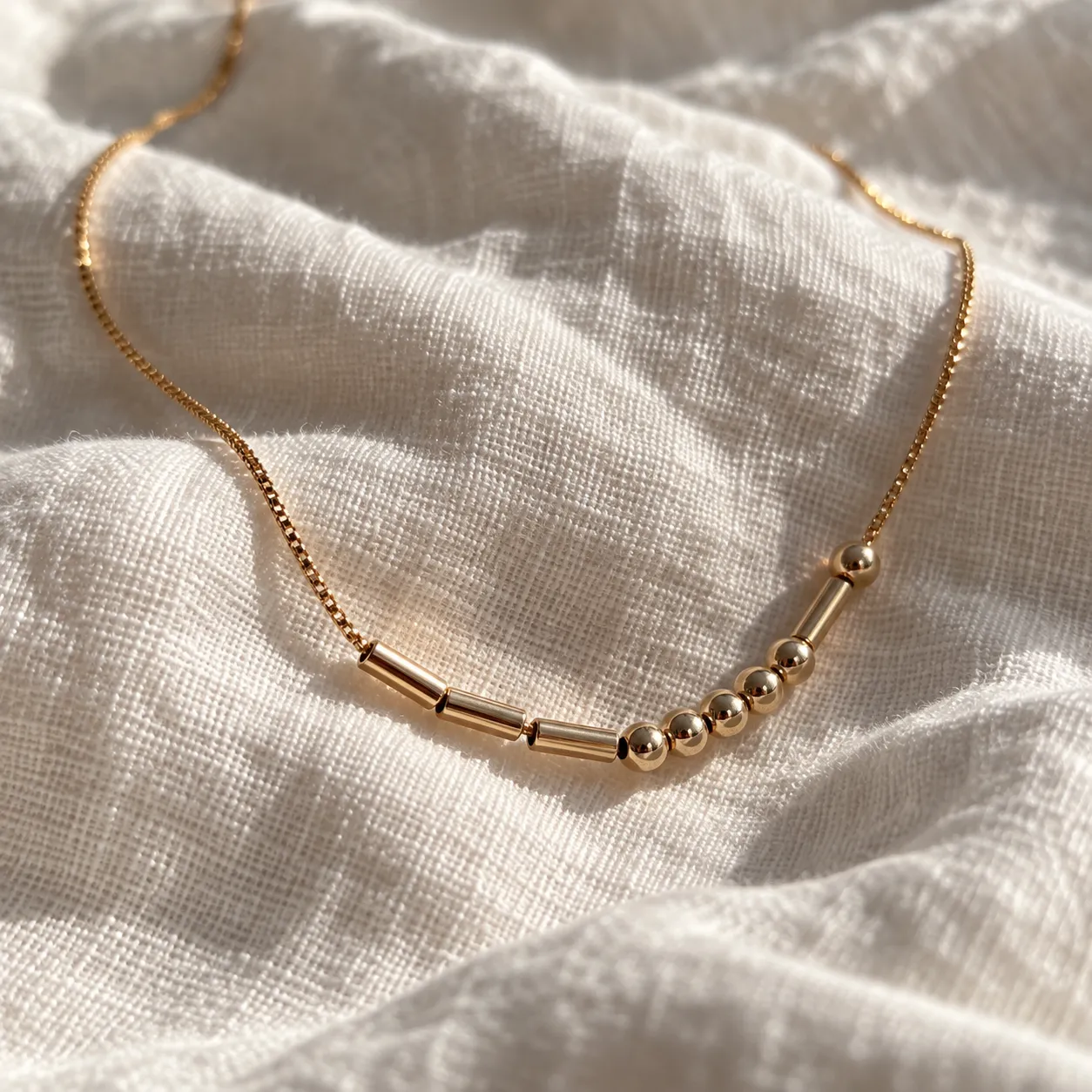
A woman once refused to let me put a price on something. I'm an appraiser, that's my whole job, and in thirty years she was the only person who ever looked at me like I'd insulted her by trying. I didn't understand what I'd done wrong until she explained what she was actually holding. My job is value. Families call me when someone passes, or when something needs insuring, and I sit down at a table with a loupe and a scale and tell them the truth about what they own. And the truth is usually not what they want to hear. The ring grandma swore was a two carat diamond is glass. The gold is plated. The brooch that's been in the family for a century is worth less than the lunch we're eating while I appraise it. And every so often it goes the other way. A woman will slide a dusty little thing across the table apologizing for wasting my time, and it turns out to be the only real piece in the whole box. So I've learned not to trust what things look like, and not to trust what people assume. I trust the loupe. Thirty years, the loupe has never been wrong. Except about one thing. Because across all those years, in house after house, I kept coming across the same kind of piece. A fine gold chain. Thin, delicate, with a little pattern of tiny beads and small gold lines running along it. On paper it was nothing. A bit of gold fill, a few dollars of materials. I'd tell the family it had almost no resale value, and I'd move on. But here is what I could never make sense of. Every single time, the family treated that worthless little chain like it was the most important thing in the entire estate. I watched a daughter clutch one to her chest and refuse to let me put a number on it at all. I watched a son go pale when he thought it had been lost in the move. I had people who were calmly selling off diamonds and heirlooms without blinking, and then they'd come to this one plain little chain, and they could not do it. For years I assumed it was simple sentiment. A favorite necklace of mom's. I never looked closer, because the loupe told me there was nothing there to look at. I was wrong. I found out how wrong about a year ago. I was appraising the estate of a woman who'd died at eighty eight, and her daughter was sitting across the table from me, an older woman herself. We got to that little gold chain. And out of habit I started to say what I always said, that it had almost no monetary value. She stopped me. She said, "You keep finding these, don't you. In other houses. Other women." I said yes. I'd been finding them my whole career, and I'd never understood why families held onto them the way they did. She smiled, a little sadly. And then she reached up to her own collar, and pulled out a chain of her own. Almost identical to her mother's. Small beads. Thin lines. "You've been pricing them wrong your whole life," she said. "It's Morse code. The beads are dots and dashes. Each little group is a letter. My mother's spells my father's name. She had it made the year after he died and she wore it every day for thirty years. Mine spells my husband's. The gold is worth a few dollars. What's on it is worth more than everything else in this house combined." I set down my loupe. In thirty years I don't think I had ever done that in the middle of a job. She told me these necklaces used to be something a lot of widows quietly knew about. That after a husband died, the world gave a woman a certain amount of time to grieve, and then expected her to be finished. To stop being sad where people could see it, to stop making everyone uncomfortable, to move on. But the love didn't stop on anyone's schedule. So women found a way to keep their husbands with them that no one could see and no one could judge and no one could tell them to put away. His name, in a code, against the heart, every single day, for the rest of their lives. "To everyone looking," she said, "it's just a plain little necklace. To her, it was him. She could wear it anywhere and never once get that look. The pitying one. The one that turns you back into a widow every time you walk out the door." She told me the tradition had mostly gone quiet, but never completely died. She said the newer one she wore, she'd had made by a company called Tulas. That they take any name, any date, any word, and hand-code it into Morse code along a fine gold chain, where no one in the world can read it but the person wearing it. I have spent my entire career being certain I knew what things were worth. And I had been handing families the single most valuable thing in the house and calling it costume jewelry. I have never felt so humbled by this work as I did at that table. Because I have a widow at home too. My mother. My father died six years ago. Forty years of marriage, and then a heart attack, and then the quiet. My mother has never worn a memorial anything. When I asked her once why not, she said, "I don't want to be the sad widow everyone tiptoes around. I don't want that to be the first thing people see when they look at me." I understood her completely. And sitting at that table, I understood there was finally something I could do. I looked that company up the same night. And for once I was appraising something before I bought it. I expected the usual, overpriced grief jewelry from a company preying on people at their lowest. Instead it was less than what I spend to fill my gas tank, and they told you plainly what it was made of. The chain is 14k gold filled. It doesn't tarnish. The beads are set so nothing slips off, the clasp is solid, and it's built to be worn every day, in the shower, in your sleep, for the rest of your life, without ever falling apart. A lifetime warranty. By the only measure I actually trust, it was honest, and it was built to last, which is more than I can say for most of what crosses my table. I ordered one with my father's first name on it. Arthur. And the year they were married. It came eight days later. I set the box on her kitchen counter and told her she could open it whenever she wanted. She opened it right there in front of me. She lifted the chain out and turned it over, looking at me to explain what it was. So I told her. I told her the little beads and lines were Morse code, and that spelled along that chain was Dad's name and the year they married. I told her no one in the world would ever know what it said. Not the checkout girl, not her friends, not anyone at church. She could wear it everywhere, and no one would ever give her that face, the pitying one she can't stand. She held it against her chest with both hands, and my mother, who has not cried in front of me in years, cried in her kitchen for ten minutes. She put it on that night. She has not taken it off since. She told me last week she catches herself touching it a hundred times a day without noticing, her hand just going to her chest, finding his name under her thumb, and something in her unclenches for a moment before she goes on with her day. My aunt saw it and cried in the same kitchen, and ordered one for her own late husband. My mother-in-law ordered one for her mother, widowed eleven years, who never says my wife's grandfather's name out loud anymore. Every one of them said the same thing. Why did nobody tell me about this sooner. Here is what I think about now, at every table I sit down at. For thirty years I told grieving families that these little chains were worth almost nothing. I was reading the gold. I was never reading what was actually there. Because the real value was never in the metal. It was in the name. It was the one thing in that whole house that money genuinely cannot touch, and I'd been pricing it like scrap. You don't need me to tell you what it's worth. You already know what his name is worth to you. The brand is Tulas. They hand-code every piece to whatever you want, his full name, your anniversary, a nickname only the two of you ever used, the last thing he said to you. It only ever means what it means to the person wearing it. Right now they're doing buy two, get one free, with free shipping. Because every piece is hand-coded to your exact message, it takes a few days to make. The sooner you order, the sooner he's with you. If you're the woman who has been holding it together for everyone, keeping him close in every quiet way you can, this is the one you can wear out in the world without paying that toll every time somebody notices. Or if you know a woman who has been through a loss, this is what you give her. Those women wore theirs for the rest of their lives, and no appraiser alive could ever put a price on why. My mother is going to wear hers for the rest of hers. Link's below.
More from Irma Osborne
Skinny Jade Ring Made From Genuine Jade
Irma Osborne

Skinny Jade Ring Made From Genuine Jade
Irma Osborne
Morse Code Necklace
Irma Osborne
Morse Code Necklace
Irma Osborne
My Thoughts on Tulas 👆
Irma Osborne
What America's Richest Woman Wore 40+ Years 👆
Irma Osborne

Morse Code Necklace
Irma Osborne
What America's Richest Woman Wore 40+ Years 👆
Irma Osborne

Morse Code Necklace
Irma Osborne

Morse Code Necklace
Irma Osborne
Morse Code Necklace
Irma Osborne
Morse Code Necklace
Irma Osborne

 Add to Chrome