Morse Code Necklace
Ad Copy
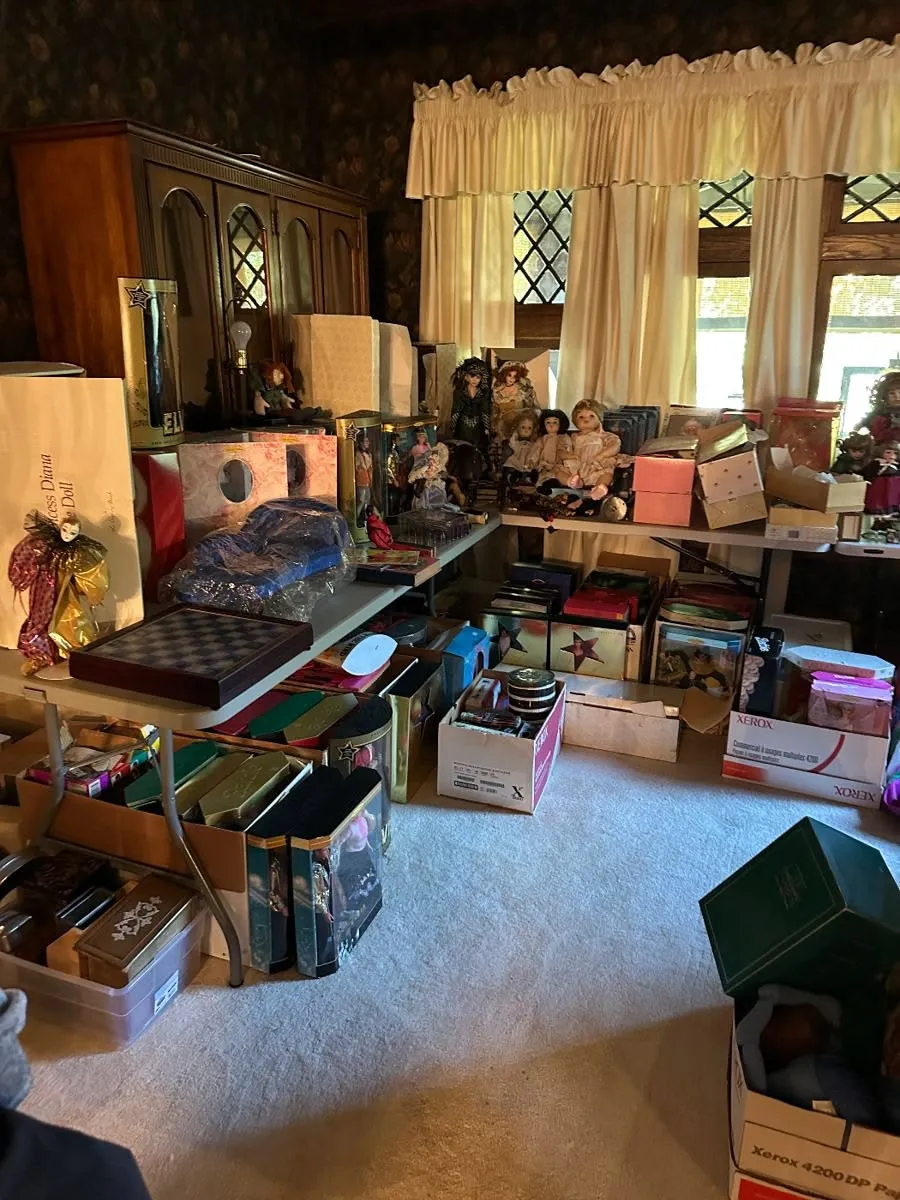
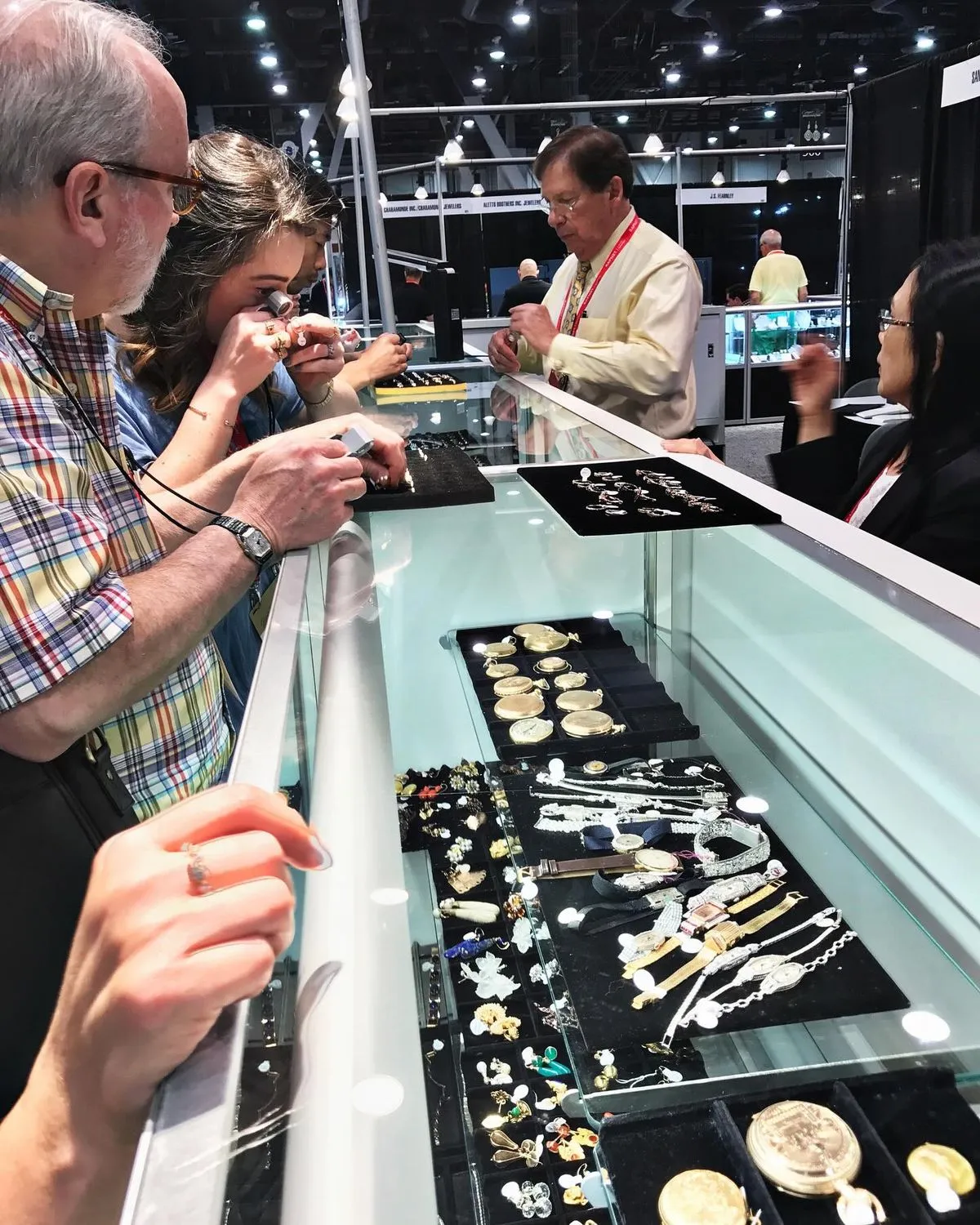
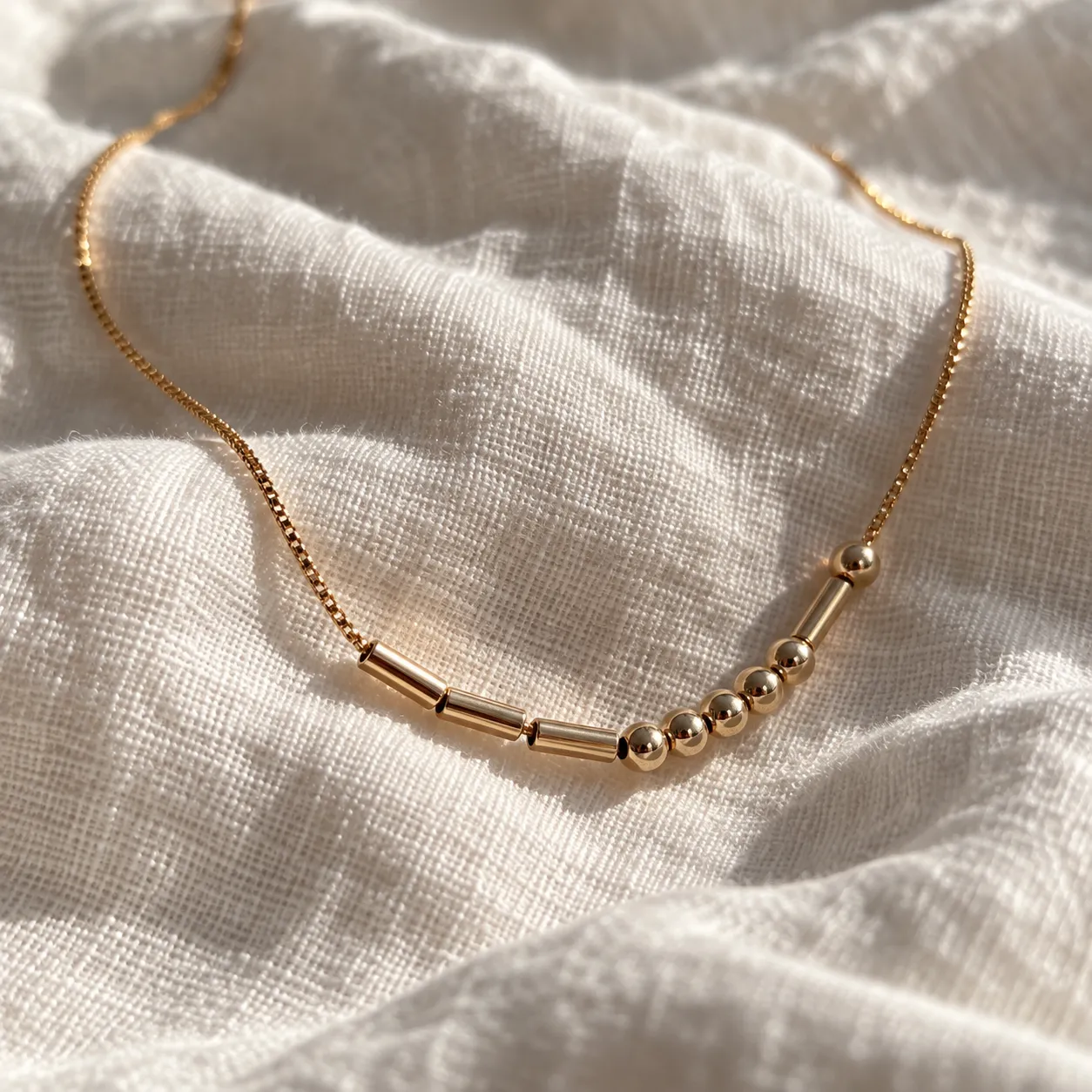
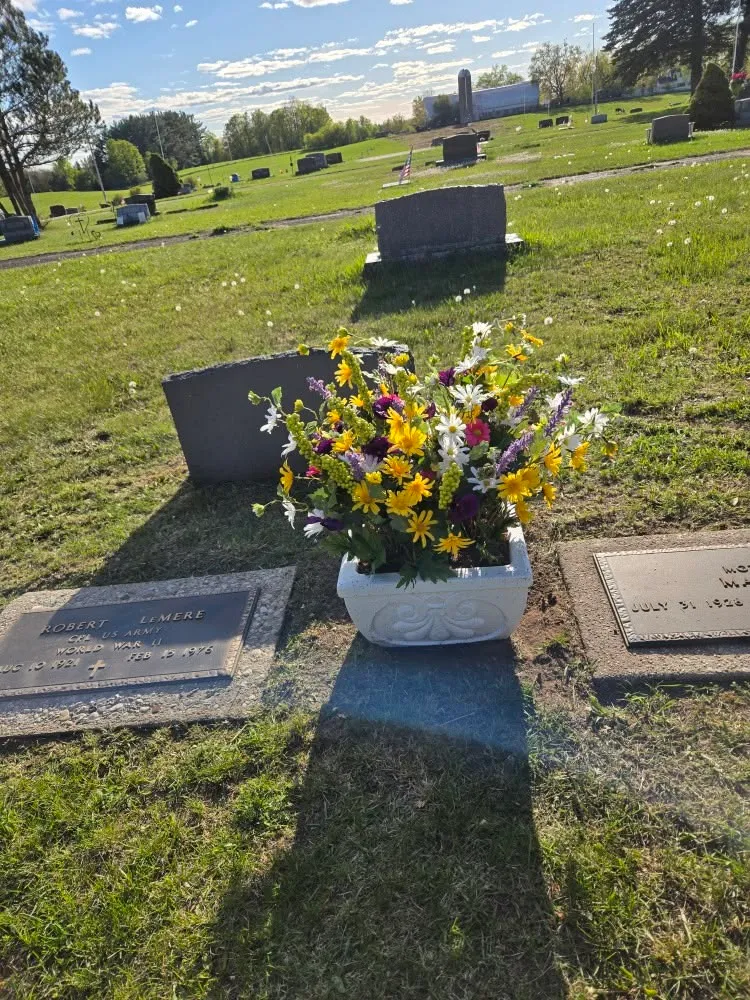
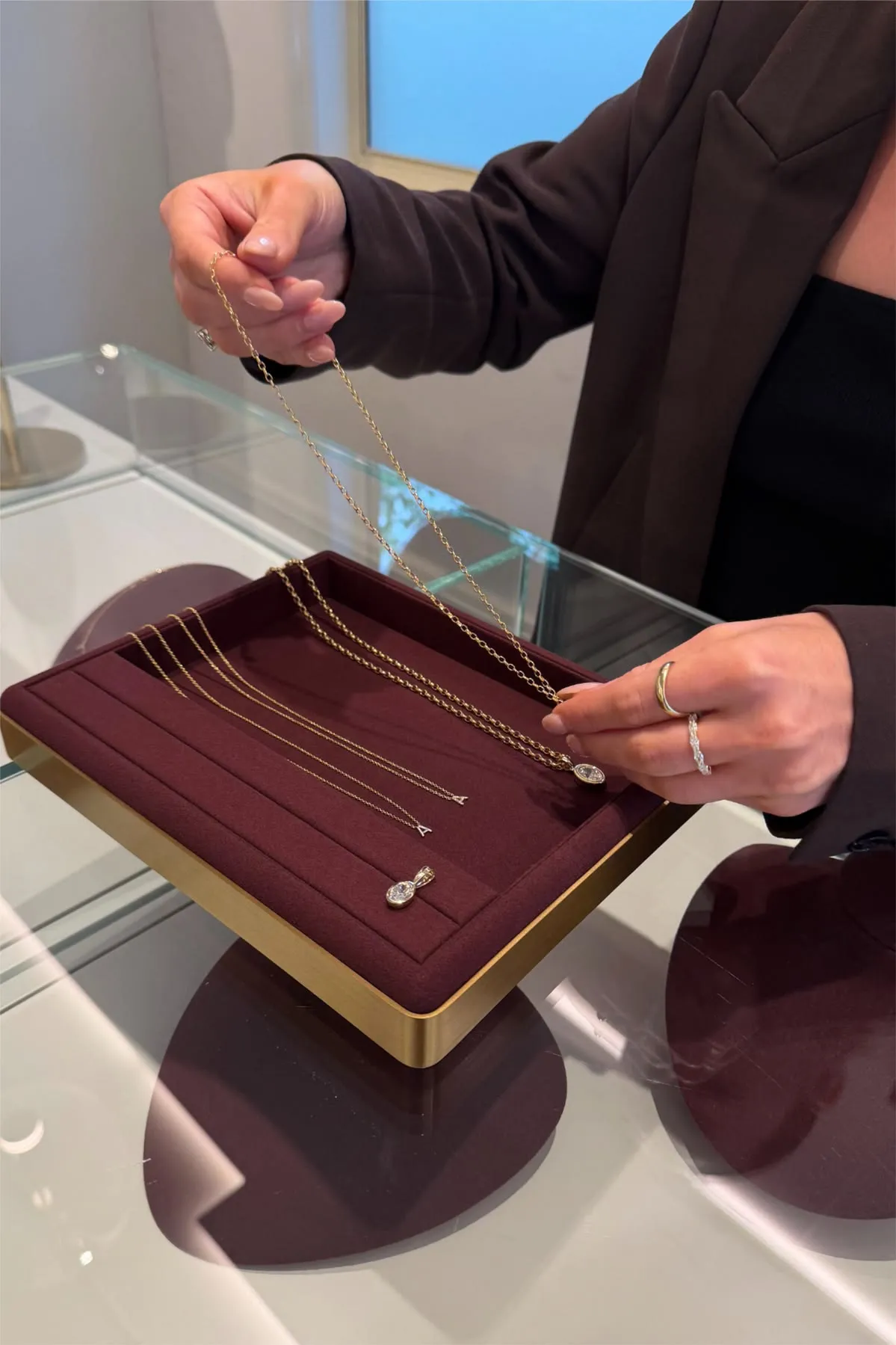
I buy and resell estate sales for a living, which means I spend my weekends going through everything people leave behind when they die. The furniture, the china, the clothes still hanging in the closet, the photographs of people nobody's left to remember. You'd be amazed what a whole life comes down to. But in fifteen years of doing this, there's one thing I kept finding that I could never explain, until last spring. Let me tell you what this job actually is, because most people have no idea. When someone dies, and the family doesn't want to deal with the house, they call someone like me. I come in, I go through everything, and I buy what can be resold. Furniture, dishes, tools, jewelry, the whole contents of a life. It sounds cold, and maybe it is, but somebody has to do it, and after fifteen years, I've made a strange kind of peace with being the last person to walk through these homes before they're emptied for good. You find things that stay with you. A nursery that was clearly kept exactly as it was for decades, the crib still made, for a child I could only guess about. A man's work boots by the back door, still caked with dirt, ten years after his wife said he'd passed. Birthday cards signed by people who are all gone now, saved in a biscuit tin like they were made of gold. I've learned that a house isn't furniture and dishes. A house is the evidence of everybody somebody ever loved. Most of what I find, I understand. Grief makes sense to me by now. You keep the sweater because it still smells like him. You keep the chair because that's where he sat. You keep the ring because taking it off feels like losing him twice. But there was one thing I could never make sense of. There was one kind of thing I kept finding, over and over, almost always in the jewelry of older women who had been widowed. A fine gold necklace. A thin chain with a little pattern of tiny gold beads and small gold lines running along it. Delicate. Easy to overlook. I must have found a dozen of them over the years. I always thought they were just a style. Some old fashion from the forties or fifties that a lot of women wore. I'd price them, put them in the case, sell them for a little bit of nothing, and move on to the next house. I had no idea what I was actually holding. I found out last spring. I was running a sale at the home of a woman who had passed away at ninety one, and her daughter was there, helping sort through her mother's things. An older woman herself, maybe seventy. Kind. Quiet. She watched me handle her mother's jewelry for a while, and then she picked up one of those thin gold necklaces out of the tray, and she held it in her hand for a long moment, and she asked me if I knew what it was. I said I'd always figured it was just an old style. A lot of women seemed to have them. She shook her head. And then she reached up to her own collar, and pulled out a necklace of her own. Almost the same. Small beads. Thin lines. "It's Morse code," she said. "The beads are dots and dashes. Each one is a letter. Strung together, they spell a word. My mother's spelled my father's name. She had it made the year after he died, and she wore it every single day for the rest of her life. And mine spells my husband's name. I've worn it for eleven years." I just stood there. She told me her mother's whole generation knew about these, the women did, anyway. That after a husband died, a woman was expected to grieve for a while, wear the black, accept the casseroles, and then, after some unspoken amount of time, get on with it. Stop being sad in front of people. Stop making everyone uncomfortable. But the grief didn't stop just because the world decided it should. So the women found a way to keep their husbands with them that no one could see, and no one could judge, and no one could tell them to put away. His name, in a code, against the heart, every day, for the rest of their lives. "To everyone looking," she said, "it's just a pretty little necklace. To her, it was him. She could wear it to church and to the store and to a wedding, and nobody ever looked at her with that face. The sad one. The one that makes you into a widow every time you leave the house." She told me the tradition mostly went quiet over the years, but it never fully died. She said the newer one she wore, she'd had made by a company called Tulas. That they take any name, any date, any word, and hand-code it into Morse code along a fine gold chain, and that from the outside it looks like ordinary jewelry, and no one in the world can read it but the person wearing it. I think I'd handled a dozen of these necklaces over the years and never once understood that every single one of them had been the most private, most loved thing a grieving woman owned. I'd been pricing them for a few dollars and selling them to strangers. I actually felt sick about it, standing in that woman's kitchen. And then I thought about my mother. My father died six years ago. Thirty nine years of marriage, and then a heart attack, and then the quiet. And my mother, who is one of the most composed women I know, has spent six years doing exactly what that old woman described. Holding it together. Never wearing a memorial anything. When I asked her once why not, she said, "I don't want to be the sad widow everyone tiptoes around. I don't want that to be the first thing people see when they look at me." I understood her completely. And standing in that house full of one woman's whole life, I understood there was finally something I could do. I looked up that company the same night, honestly expecting it to be expensive, and half expecting one of those grief outfits that charge a fortune and prey on people at their lowest. Instead it was less than what I spend to fill my gas tank, and they told you plainly what it was made of. The chain is 14k gold filled. It doesn't tarnish. The beads are set so nothing slips off, the clasp is tight, and you can shower in it, sleep in it, and wear it every single day for the rest of your life without it ever falling apart. That mattered to me more than anything, because if I was giving my mother a piece of my father to keep, it could not be something she might lose. I ordered one with my father's first name on it. Walter. And the year they were married. It came eight days later. I set the box on her kitchen counter and told her she could open it whenever she wanted. She opened it right there in front of me. She lifted the chain out and turned it over, looking at me to explain what it was. So I told her. I told her the little beads and lines were Morse code, and that spelled along that chain was Dad's name and the year they married. I told her no one in the world would ever know what it said. Not the checkout girl, not her friends, not anyone at church. She could wear it everywhere, and no one would ever give her that face, the pitying one she can't stand. She held it against her chest with both hands, and my mother, who has not cried in front of me in years, cried in her kitchen for ten minutes. She put it on that night. She has not taken it off since. She told me last week she catches herself touching it a hundred times a day without noticing, her hand just going to her chest, finding his name under her thumb, and something in her unclenches for a moment before she goes on with her day. My aunt saw it and cried in the same kitchen, and ordered one for her own late husband. My mother-in-law ordered one for her mother, widowed eleven years, who never says my wife's grandfather's name out loud anymore. Every one of them said the same thing. Why did nobody tell me about this sooner. Here is what I think about now, in every single house I walk through. For fifteen years I handled those little necklaces like they were nothing. Costume jewelry. A few dollars in the case. I know now that each one was a woman's whole heart, the one thing she kept closest, the name she carried in secret so she could love him without the world making her perform it. I wasn't selling old jewelry. I was holding the most important thing those women ever owned, and I never even knew. You don't need to wait until it turns up in an estate sale. You don't need anyone to find it in a drawer after you're gone and wonder what it meant. You can have what those women had, now, while you're still here to wear it. The brand is Tulas. They hand-code every piece to whatever you want, his full name, your anniversary, a nickname only the two of you ever used, the last thing he said to you. It only ever means what it means to the person wearing it. Right now they're doing buy two, get one free, with free shipping. Because every piece is hand-coded to your exact message, it takes a few days to make. The sooner you order, the sooner he's with you. If you're the woman who has been holding it together for everyone, keeping him close in every quiet way you can, this is the one you can wear out in the world without paying that toll every time somebody notices. Or if you know a woman who has been through a loss, this is what you give her. Those women wore theirs for the rest of their lives. My mother is going to wear hers for the rest of hers. Link's below.
More from Irma Osborne
Skinny Jade Ring Made From Genuine Jade
Irma Osborne
Skinny Jade Ring Made From Genuine Jade
Irma Osborne
Morse Code Necklace
Irma Osborne
Morse Code Necklace
Irma Osborne
My Thoughts on Tulas 👆
Irma Osborne
What America's Richest Woman Wore 40+ Years 👆
Irma Osborne

Morse Code Necklace
Irma Osborne
What America's Richest Woman Wore 40+ Years 👆
Irma Osborne

Morse Code Necklace
Irma Osborne

Morse Code Necklace
Irma Osborne
Morse Code Necklace
Irma Osborne
Morse Code Necklace
Irma Osborne

 Add to Chrome