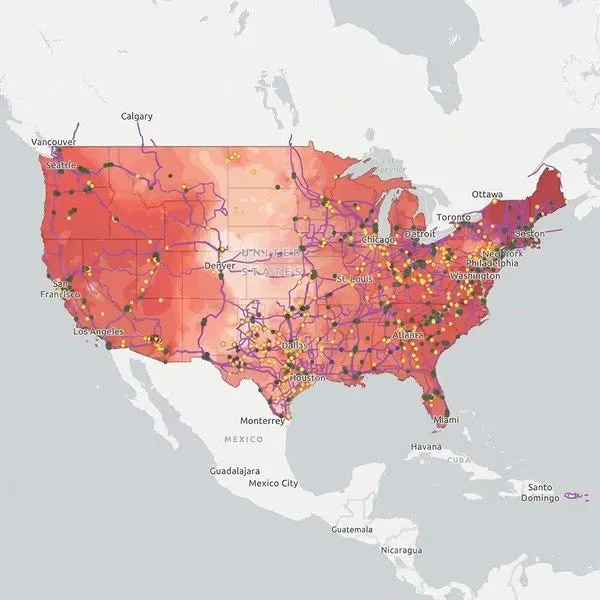
If you’re a parent or grandparent, please read this👆
Ad Copy
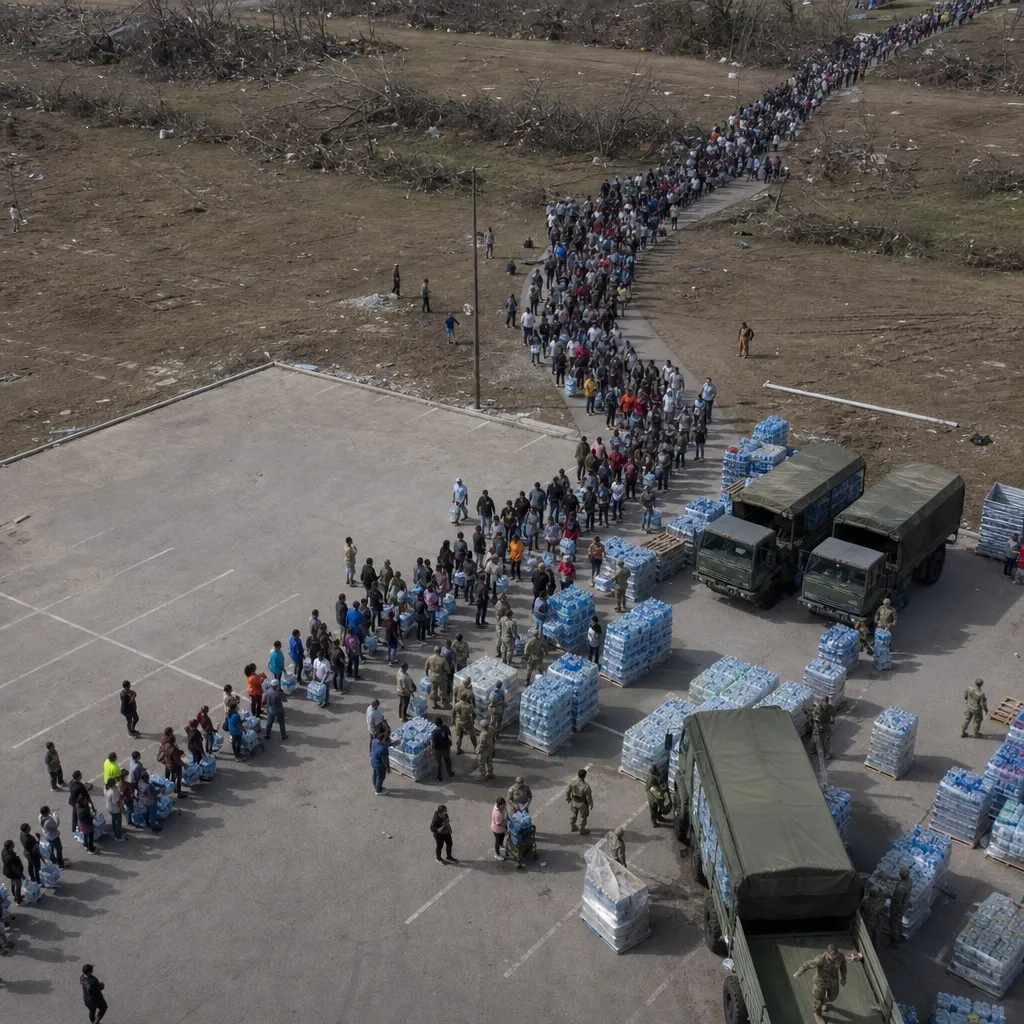
I was driving home on I-77 last Tuesday afternoon when I counted forty-two military vehicles heading south. In a civilian lane. On a weekday. That's when I called my buddy Marcus. I served eight years in the Marine Corps. Infantry. Two deployments. I know what a logistics convoy looks like. I know the difference between a training movement and a deployment movement. Training convoys are scheduled, announced, and usually on weekends when traffic is light. They're marked. They're expected. This was a Tuesday at 2 PM on a major interstate. Unmarked. No announcement. No escort. Just vehicle after vehicle after vehicle — trucks, humvees, fuel tankers, water tankers — rolling south like they had somewhere to be. I pulled over and watched them pass. Took me almost four minutes. I called Marcus. He's still active duty. Can't say much. Never can. But he's the kind of guy who'll tell you what he can without telling you what he can't. You learn to read between the lines. I said: "Hey. I just watched a convoy roll through Charlotte on I-77. Full logistics package. Fuel trucks. Water tankers. You know anything about this?" Long pause. "I can't talk about specific movements." "I know. I'm not asking about specifics. I'm asking if I should be concerned." Another pause. "I'll say this. Make sure your family has a plan. A real plan. Not a 'we'll figure it out' plan. Assume the power could go out and stay out." My stomach dropped. "Out like — a storm outage?" "Out like everything. Just be ready. Have a way to get water that doesn't depend on the grid." He hung up. I sat in my truck on the shoulder of I-77 and watched the last few vehicles in the convoy disappear south. Then I drove home and had a conversation with my wife that I'd been putting off for months. "We need to talk about what happens if the power goes out and doesn't come back quickly." She looked at me. She knows me well enough to know when I'm not being dramatic. "How long are we talking?" "I don't know. Days. Maybe longer." We sat at the kitchen table and went through our situation. We had food — enough for a week, maybe ten days if we stretched it. Water — three cases of bottles. First aid kit. Flashlights with batteries that were probably half dead. Then I asked the question that changed everything. "If the power goes down — where does our water come from?" She pointed at the faucet. "And what pushes the water out of that faucet?" She didn't have an answer. Neither did I. Not really. Not until I thought about it. Pumps. Electric pumps at the treatment plant and the pumping stations, pushing water through miles of pipe to our house. When the grid goes down, the backup generators buy a day, maybe three. Then the pressure drops. And the faucet doesn't turn brown. It just stops. Our stove is electric, so boiling is off the table. And the bottled water at the store is gone the first morning. Three cases. Two adults, two kids. That's four days. Maybe five. In eight years of military service — two deployments, countless field exercises, months in environments where nothing worked the way it was supposed to — the one thing we never ran out of was water. Not because we carried enough of it. Nobody can carry enough of it. Because we carried a way to make it. A filter. You find a stream, a pond, a puddle of rain, and you make it drinkable. You could lose power. You could lose vehicles. You could lose the supply line. But as long as there was fresh water somewhere you could walk to, you never lost water. In the civilian world, almost nobody owns one. That's what hit me sitting at that kitchen table. We had food and flashlights and three cases of bottles — but we had zero ability to make clean water if the grid went down. Zero. We'd be sitting in the dark counting bottles. Just like everybody else on our street. I went online that night and found a gravity-fed water filter. The AQUA-GS1. Guard Survival. A veteran-owned outfit. You fill the bag from any fresh water. Creek. Pond. Rain off the roof. You hang it from anything — a branch, a cabinet handle, a shower rod. Gravity pulls the water through a 0.1-micron hollow-fiber filter into a clean pouch. It catches 99.99% of bacteria, parasites, protozoa and microplastics. One filter does 1,500 gallons. More than a year of drinking water for a family of four. And the whole thing rolls up smaller than a water bottle. No batteries. No outlet. No pump. No boiling. No grid. It just works. I ordered three. Kitchen. My truck. My wife's car. That weekend I took one to the creek at the end of our road. Filled the bag. Brown water. Leaves floating in it. I hung it from a low branch over the bank and held a pouch under the hose. For a few seconds, nothing. Then clear water started coming down. I drank it right there on the bank. Clean. Cold. No taste. Just water. Then I sat on a rock for twenty minutes and imagined what it would be like if the grid actually went down. No faucet. No store. No truck coming. Just this creek and this bag. It was the most prepared I'd felt since I left the Corps. My wife came down with the kids and watched it run. She didn't say anything. Then she walked back up to the house and I heard her call her sister. "Do you and Brian have a water filter? No — not the pitcher in the fridge. A real one. One that works when the faucet doesn't." Her sister didn't have one. Her parents didn't have one. My brother didn't have one. Not a single person in our family — including me, a Marine with two deployments — had a way to make clean water without the grid. We fixed that the next day. I don't know what that convoy was for. Marcus couldn't tell me and I stopped asking. But I know what a logistics movement looks like. And I know that the guys who know what's coming are already preparing. Marcus has one. His wife has one. His parents have one. If you've been watching what's happening — the convoys, the grid warnings, the strait, the military movements that nobody's explaining — and you've had that feeling in your gut that something's coming — trust your gut. Here's the link to the exact one I bought: 👉 https://guardsurvival.com/products/aqua-gs1 They've been going in and out of stock since the grid situation started escalating. If they're available, get them now. If you wait until you need one, you'll be standing in line with everyone else — except there's no line for these. They'll just be gone. The Marines taught me a lot. But the most important thing was this: you don't prepare when the emergency starts. You prepare before it starts. Because once it starts — it's too late. P.S. — Since that convoy on I-77, I've seen two more. Different highways. Different days. All headed south. My neighbor, a state trooper, told me he's been briefed to prepare for potential extended power disruptions this winter. He wouldn't say more than that. I'm not writing this to scare you. I'm writing this because nobody official is going to tell you to go buy a water filter. That's not how it works. By the time they tell you, it'll already be too late. Check the link above while they still have units. 👉 https://guardsurvival.com/products/aqua-gs1
More from Ready Nation USA
If you're a parent or grandparent, please read this 👆
Ready Nation USA

If you're a parent or grandparent, please read this 👆
Ready Nation USA
My father-in-law survived Katrina. What he's doing RIGHT NOW should scare you👆
Ready Nation USA
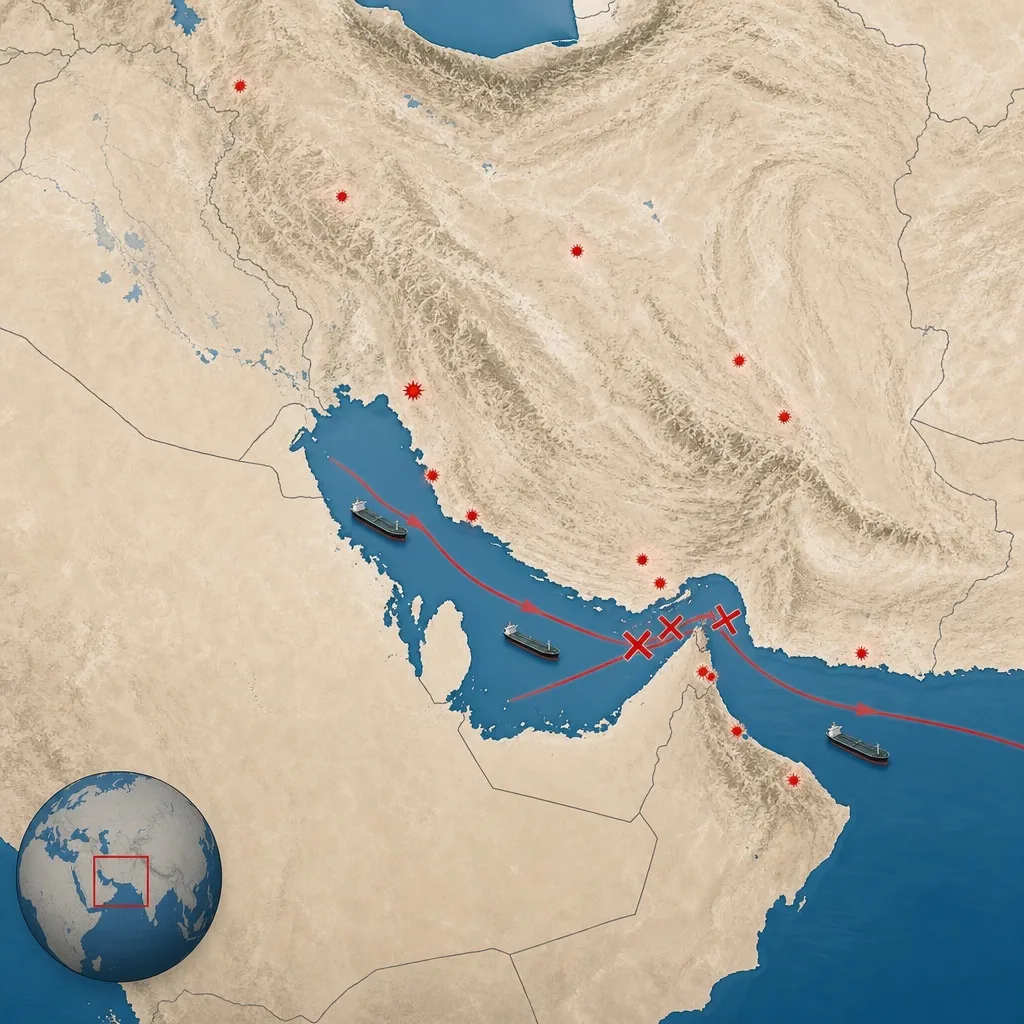
If you're a parent or grandparent, please read this 👆
Ready Nation USA
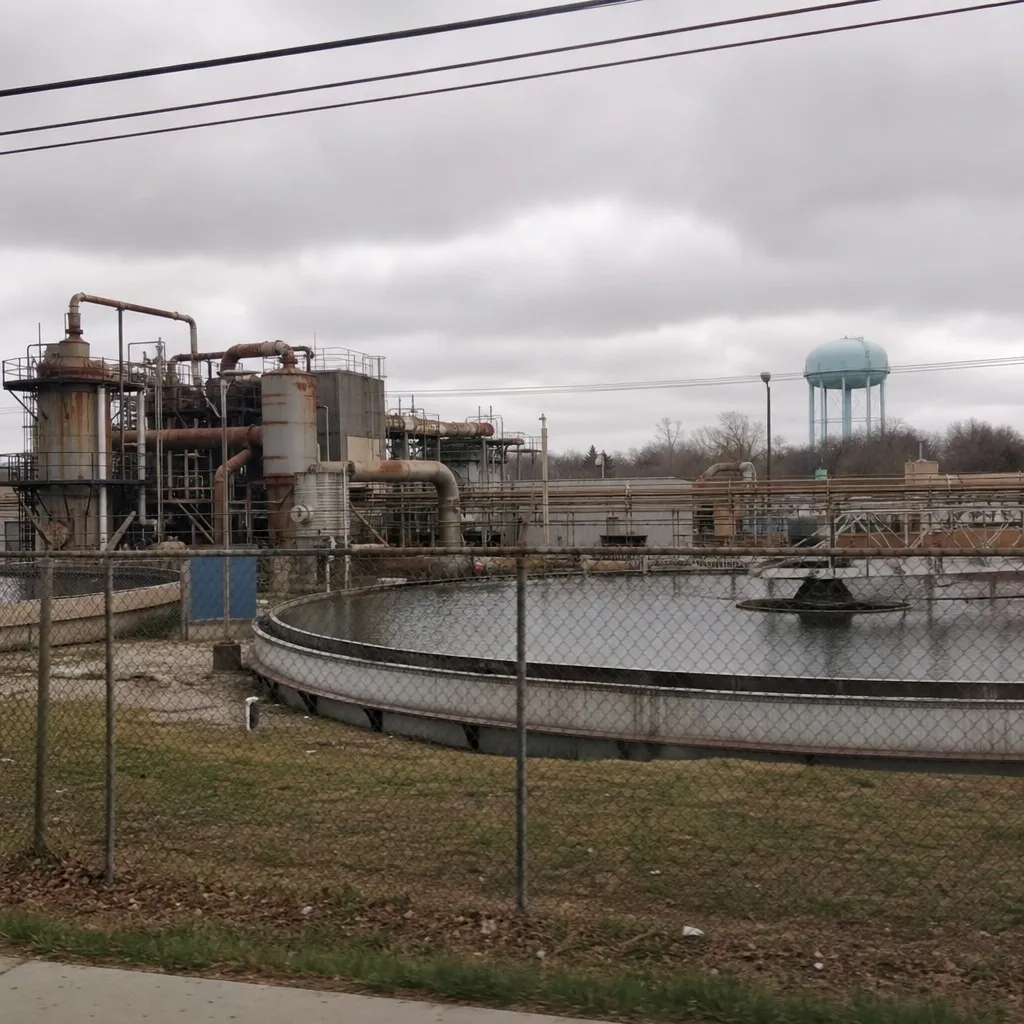
Every parent and grandparent needs to see this before it's too late👆
Ready Nation USA
Your tap water is one bad day away from gone. This is the backup plan.
Ready Nation USA
Your tap water is one bad day away from gone. This is the backup plan.
Ready Nation USA
Your tap water is one bad day away from gone. This is the backup plan.
Ready Nation USA
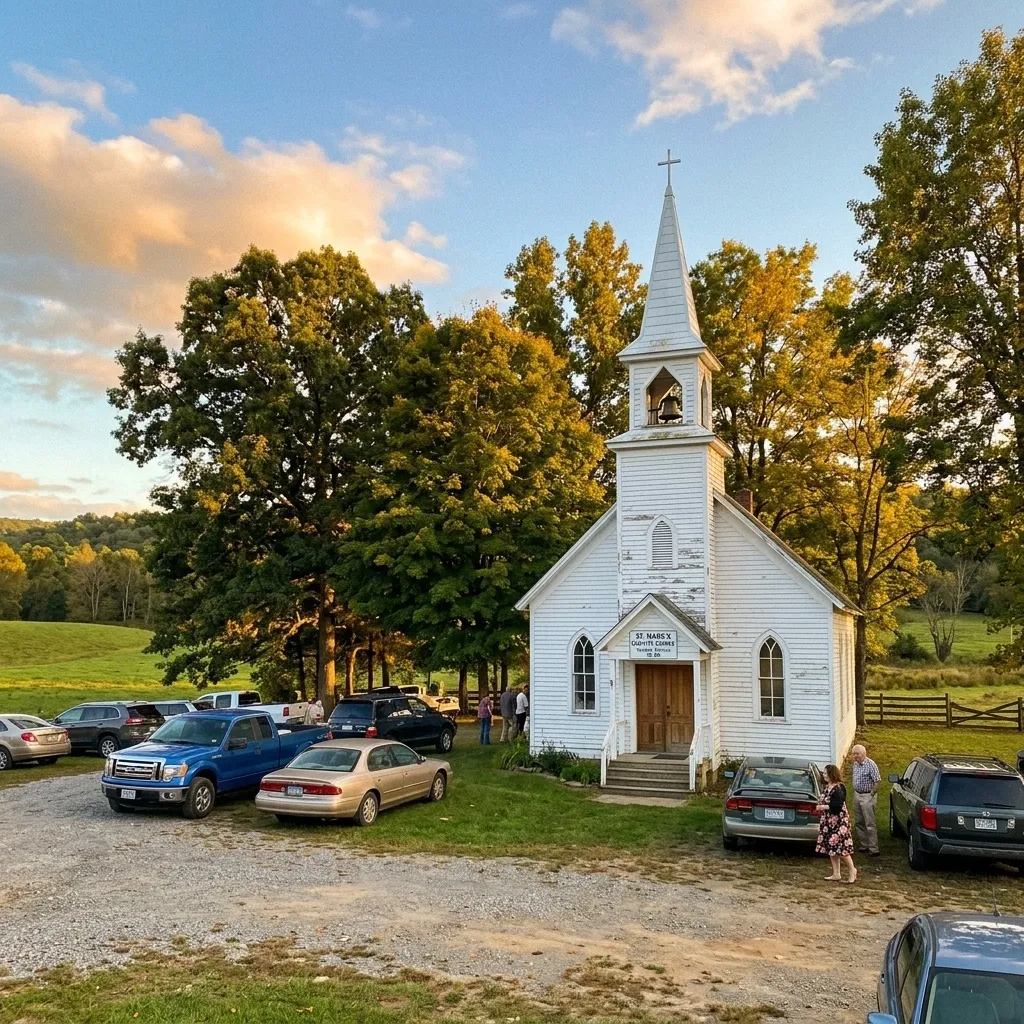
My pastor stopped mid-sermon and said something that silenced the room👆
Ready Nation USA
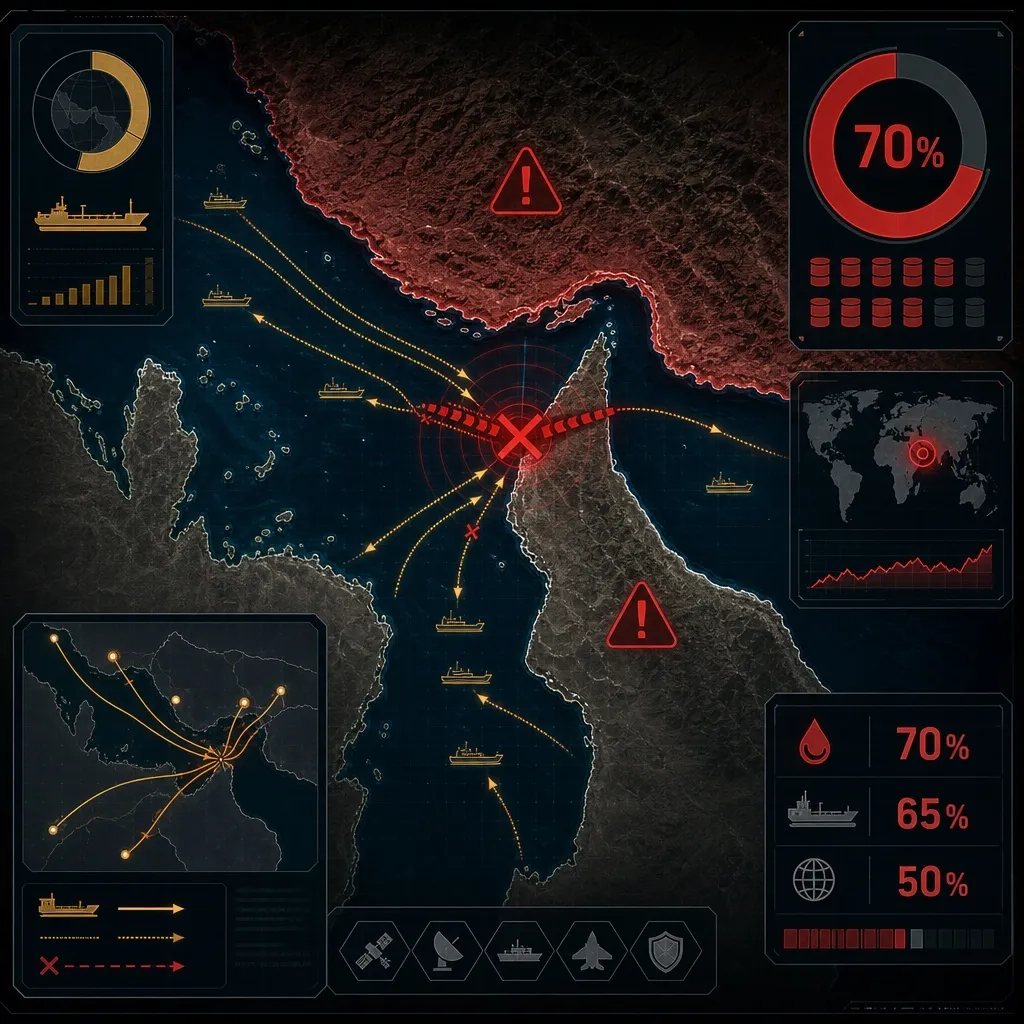
If you're a parent or grandparent, please read this 👆
Ready Nation USA
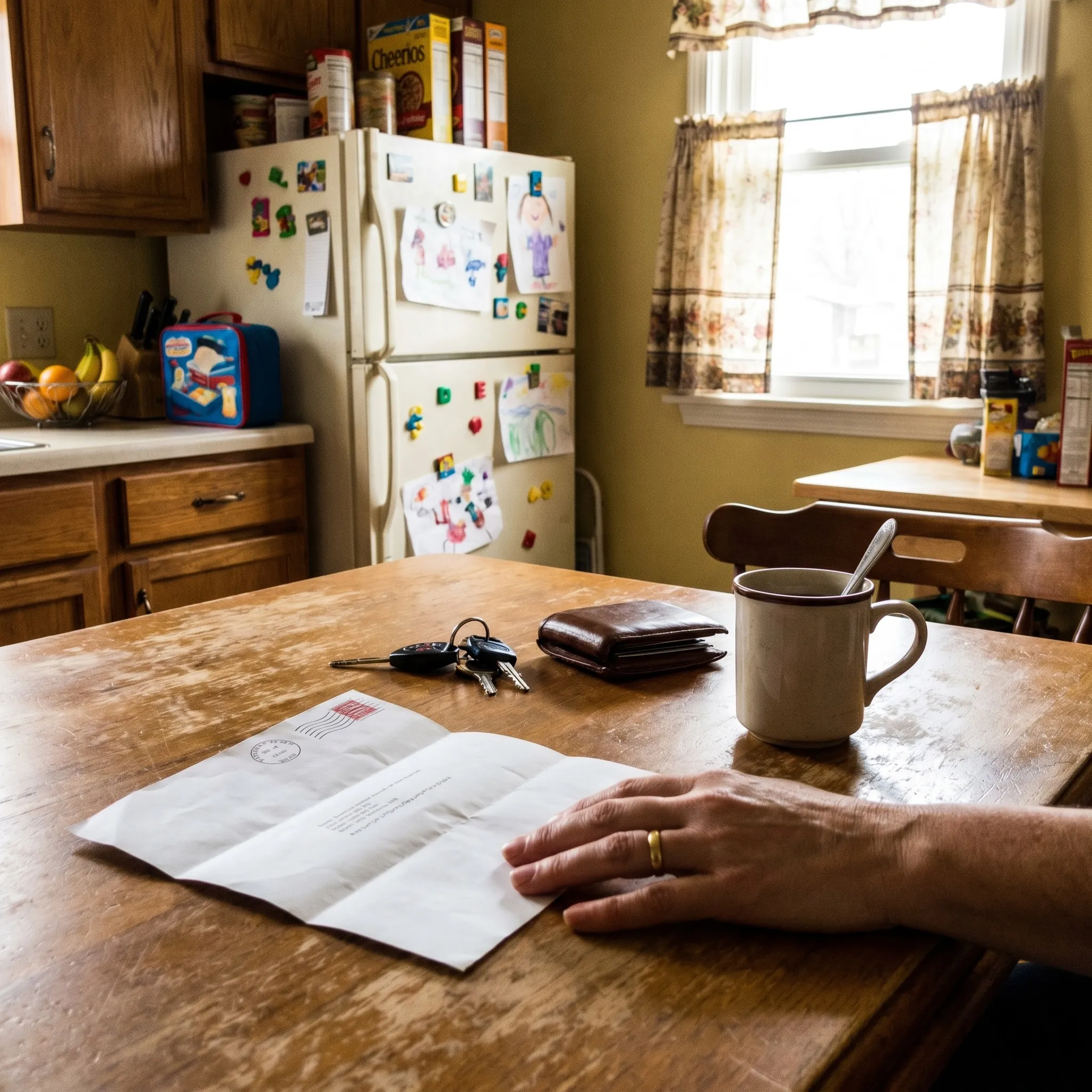
If you're a parent or grandparent, please read this 👆
Ready Nation USA
If you're a parent or grandparent, please read this 👆
Ready Nation USA

 Add to Chrome