If you're a parent or grandparent, please read this 👆
Ad Copy
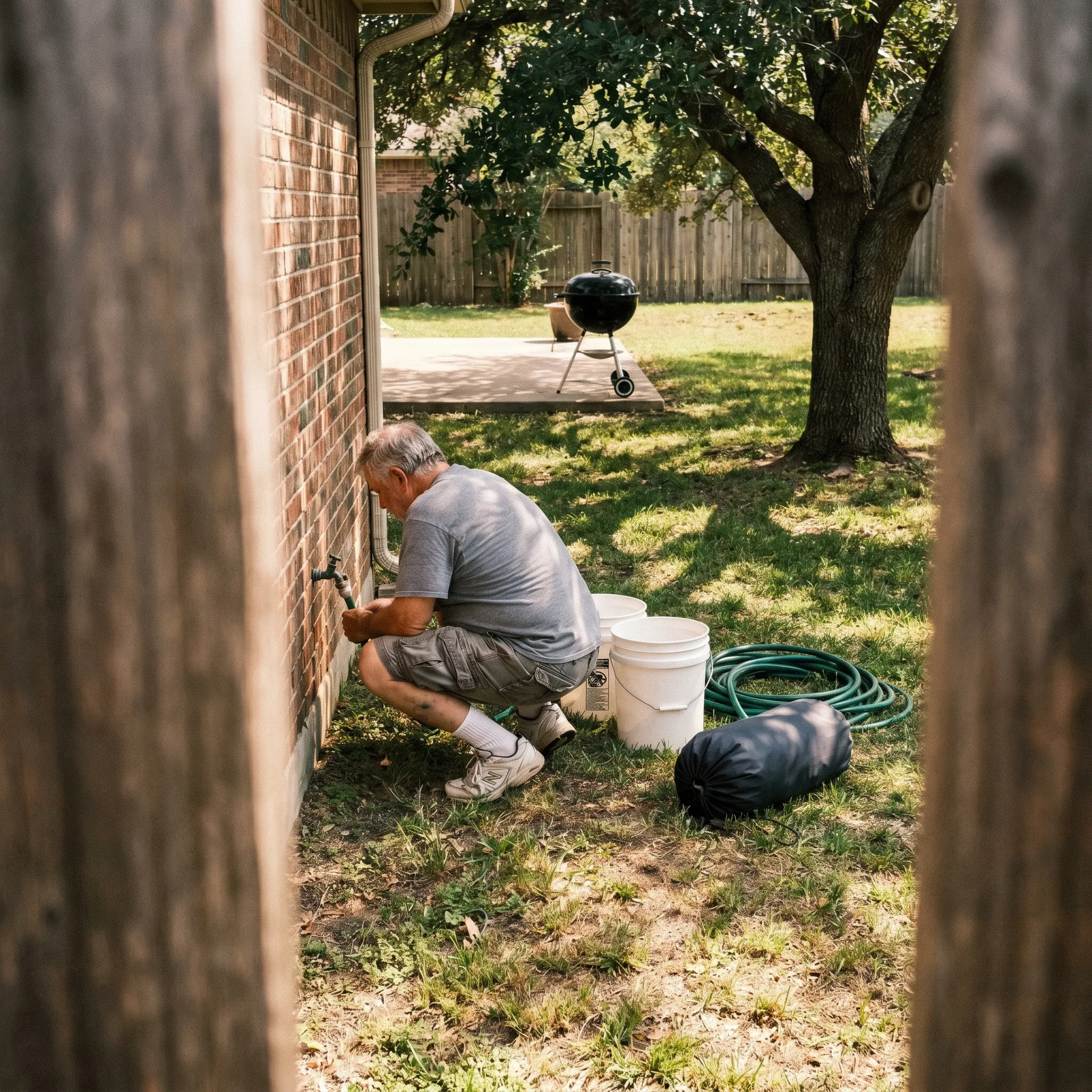
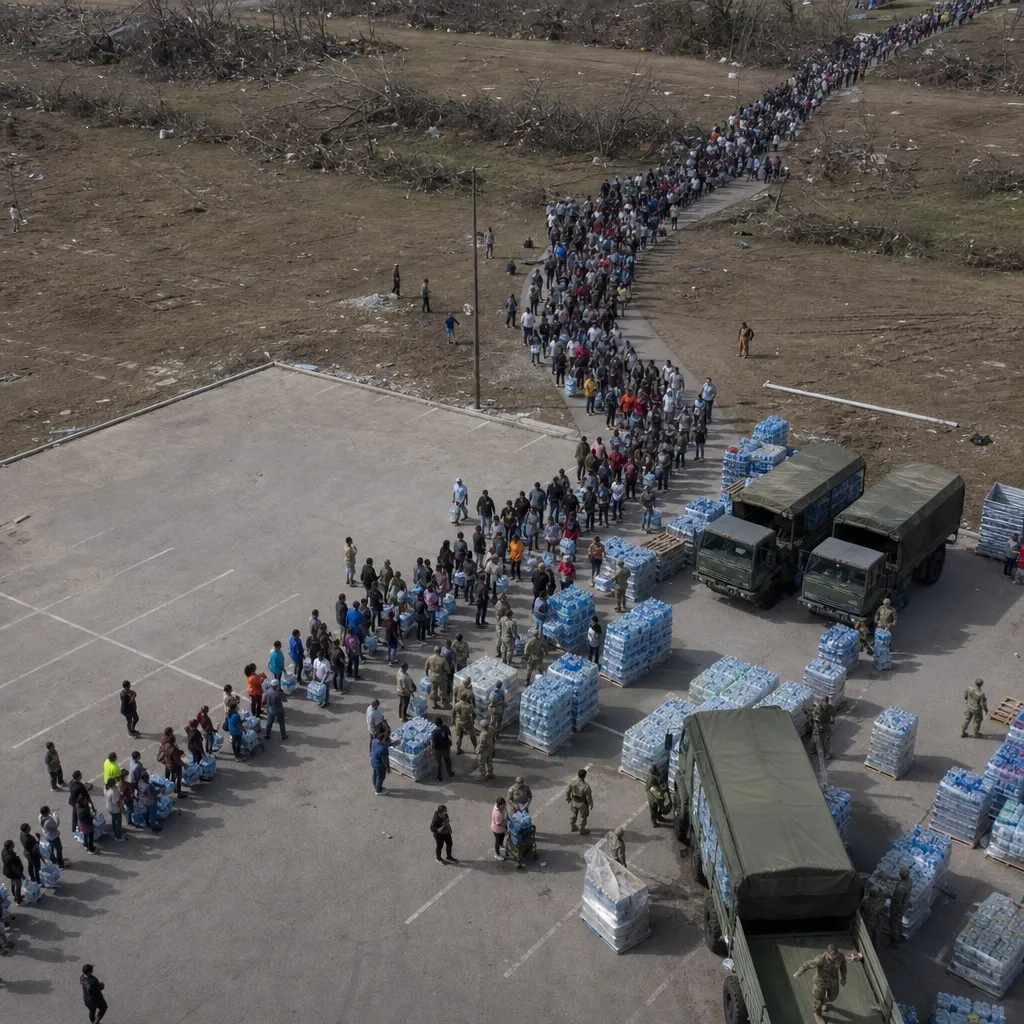
My neighbor Frank retired from the fire department three years ago after 31 years of service. He started on an engine company out of station 14, worked his way through truck, then rescue, and finished his last eight years as a district chief overseeing four stations and 86 firefighters. In three years of living next to Frank, I have never once heard him raise his voice. Never seen him rush anywhere. Never seen him get rattled by anything. When his basement flooded last spring — four inches of standing water from a busted water heater — he walked out to his truck, grabbed a shop vac, and handled it like he was vacuuming the living room carpet. No urgency. No stress. Just a man solving a problem the way he's solved a thousand problems. That's why what happened last week hit me the way it did. I was mowing my backyard around 5:30 in the evening. It was still hot — mid-eighties, the kind of day where you want to finish the yard before the mosquitoes show up. I made a pass along the fence line and glanced over into Frank's yard. He was doing something I'd never seen before. He had a five-gallon bucket filled with water sitting on his patio table. Next to it, hanging from the lowest branch of the big oak tree in his yard, was a large blue bag with a tube running out of the bottom. The tube fed into a glass pitcher sitting on the ground below it. Water was slowly dripping into the pitcher. Clear water. I shut off the mower and leaned on the fence. "Hey Frank, what's that?" He didn't look up right away. He was adjusting the tube, pinching it, checking the flow rate. After a few seconds he straightened up, wiped his forehead with the back of his hand, and looked at me. "You should get one of these." That's all he said. No sales pitch. No explanation. Just five words from a man who doesn't waste them. Frank's not a prepper. He doesn't have a bunker in his basement. He doesn't have a wall of canned goods or a weapons cache or a ham radio setup. He's a retired firefighter who grills chicken on Saturdays, watches his grandkids play soccer on Sundays, and walks his dog around the block every evening at 7:15. So when Frank tells me I should get something, I don't ask why. I just listen. He started talking. Really talking. For the first time in three years of fence conversations about weather, lawn care, and football, Frank opened up about what he actually saw in 31 years of emergency response. He told me that in three decades of fire and rescue, the number one thing that killed people in a sustained crisis was not the event itself. Not the fire. Not the earthquake. Not the hurricane. Not the tornado. It was the water. Or more specifically — the absence of it. He said that in every single large-scale disaster he responded to — and he counted off seven major ones he personally worked — the sequence was always the same: Power goes out. Pumping stations go down. Water pressure drops. Pipes lose integrity or get contaminated from backflow. Treatment plants flood or lose their chemical supply chain. Boil water advisories go out, but half the population can't boil water because they don't have electricity. Bottled water sells out at every store within a six-hour radius. Six hours. He repeated that number. Six hours after a major event, there is no bottled water available anywhere within driving distance. He told me about a wildfire response in 2018. His department was deployed for eleven days. By day three, the municipal water system in the affected area was completely offline. Not reduced capacity. Not intermittent. Offline. Forty-two thousand people suddenly had no water coming out of their faucets. FEMA got water trucks into the area by day five. That's two full days — 48 hours — where 42,000 people had zero access to treated water. He said what he saw in those 48 hours changed him. He watched families filling buckets from drainage ditches. He watched an elderly woman try to filter swimming pool water through a coffee filter. He personally — personally — saw a mother give her two children water from a backyard koi pond because she had absolutely nothing else. A koi pond. Fish water. Because her kids were so dehydrated she didn't have a choice. He said when you see that once, you never forget it. When you see it multiple times across multiple disasters over 31 years, it stops being a memory and starts being a certainty. It's not if. It's when. And the only variable is whether your family is ready or not. I asked him what the blue bag in the tree was. That's when he walked me through it. It's called a gravity-fed water filter. You fill the bag with water from any source — any source at all. Creek, pond, lake, river, rain barrel, swimming pool, puddle, ditch. You hang the bag above a container. Gravity pulls the water down through a filter membrane that removes 99.99% of bacteria, parasites, cysts, and contaminants. What comes out the bottom is clean, safe drinking water. No electricity. No batteries. No hand pumping. No boiling. No iodine tablets. No chemicals. No moving parts. Nothing that can break, run out of charge, or stop working because the grid is down. You hang it up. You wait. You drink. He said the one in his tree is from a veteran-owned company called Guard Survival. The model is called the AQUA-GS1. He bought it the month after he retired because — his words — "I've seen enough." Each filter element handles 400 gallons. He said for a two-person household like his, that's over six months of drinking water. From a single filter. From any water source he can walk to. He said it cost him about eighty dollars. Eighty dollars. I stood there doing math in my head. I pay $140 a month for home insurance. I pay $200 a month for car insurance. I have health insurance, dental insurance, life insurance. I pay hundreds of dollars every month for protection against things I hope never happen. And the one thing that actually determines whether my family survives a real emergency — clean water — I had nothing. Zero plan. Zero backup. Just a tap connected to a system connected to a grid connected to the assumption that everything always works. I ordered a Guard Survival filter that night from my phone while my wife was watching TV. It showed up three days later. I set it up in the garage on a Sunday morning. Hung it from a rafter hook, filled it with hose water, and watched clean filtered water drip steadily into a five-gallon bucket below. My 14-year-old son helped me. He thought it was cool. He didn't ask why we needed it. But I told him anyway. My wife asked that night if I'd talked to Frank again. I said yes. She asked what he said that made me buy a water filter. I told her all of it — the koi pond mother, the six-hour window, the 42,000 people, the drainage ditch families. She didn't say anything for a minute. Then she picked up her phone and texted her sister: "Go to guardsurvival.com and order the blue bag. I'll explain later." Frank told me one more thing before I went back to mowing that evening. He said the reason he was setting his up now — in his backyard, on a random Thursday, with no emergency happening — was on purpose. "You don't want the first time you figure out how this works to be when you're panicking in the dark with your family standing behind you asking what's happening." He said practice it when things are calm so it's automatic when things aren't. That's the most useful piece of advice I've gotten from anyone in years. From a retired firefighter who spent 31 years watching families break because they didn't have clean water. Guard Survival is veteran-owned. Over 17,000 five-star reviews. 90-day money-back guarantee. I'm not a prepper. I'm just a guy who lives next to someone who's seen more emergencies than I've seen movies. And he told me to get this. So I did. 👉 guardsurvival.com
More from Ready Nation USA
If you're a parent or grandparent, please read this 👆
Ready Nation USA
My father-in-law survived Katrina. What he's doing RIGHT NOW should scare you👆
Ready Nation USA
If you're a parent or grandparent, please read this 👆
Ready Nation USA
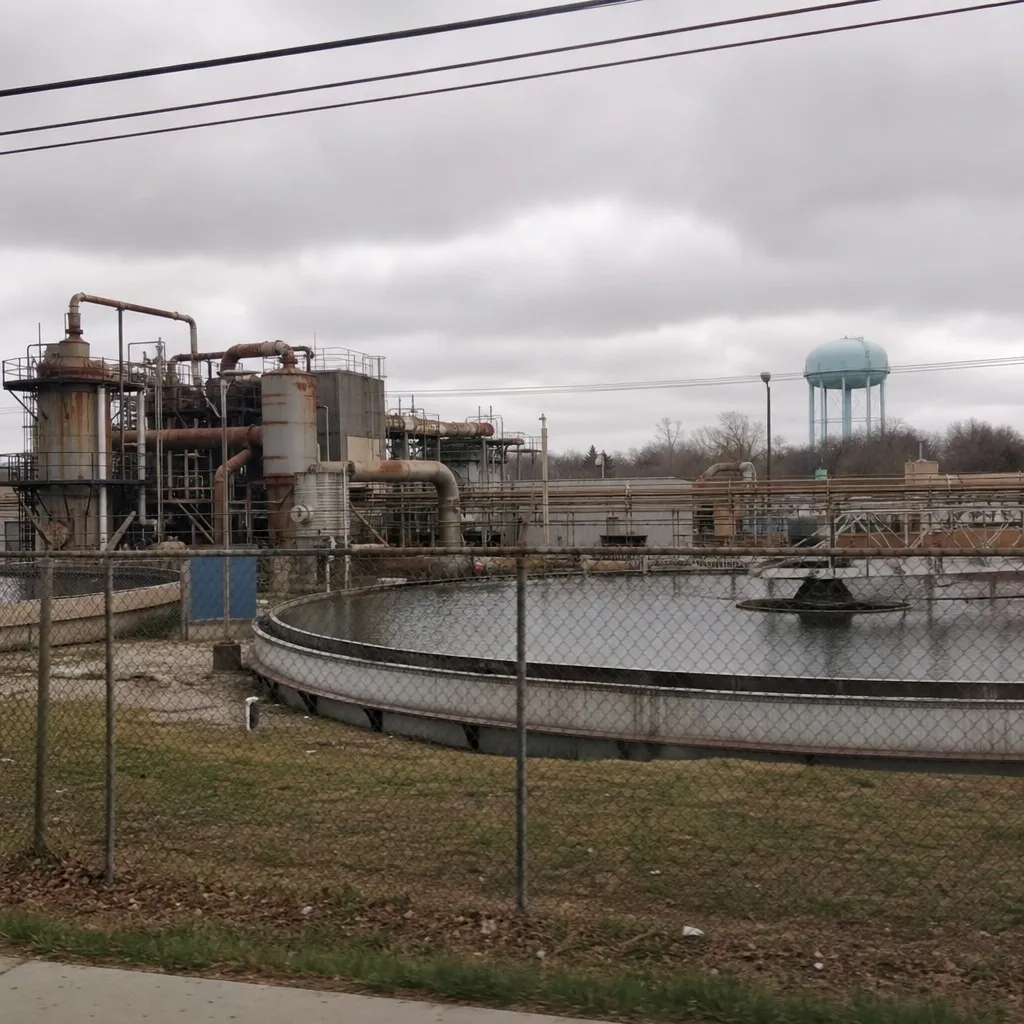
Every parent and grandparent needs to see this before it's too late👆
Ready Nation USA
Your tap water is one bad day away from gone. This is the backup plan.
Ready Nation USA
Your tap water is one bad day away from gone. This is the backup plan.
Ready Nation USA
Your tap water is one bad day away from gone. This is the backup plan.
Ready Nation USA
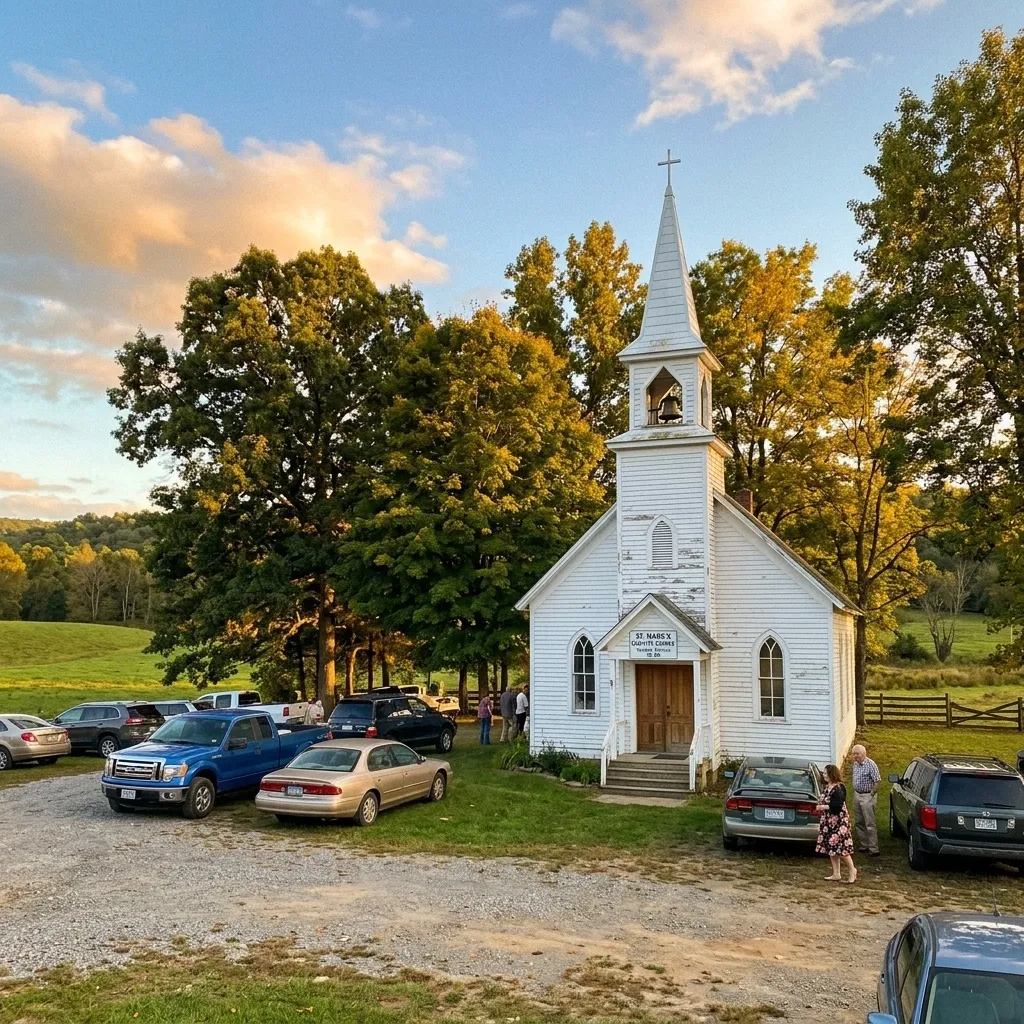
My pastor stopped mid-sermon and said something that silenced the room👆
Ready Nation USA
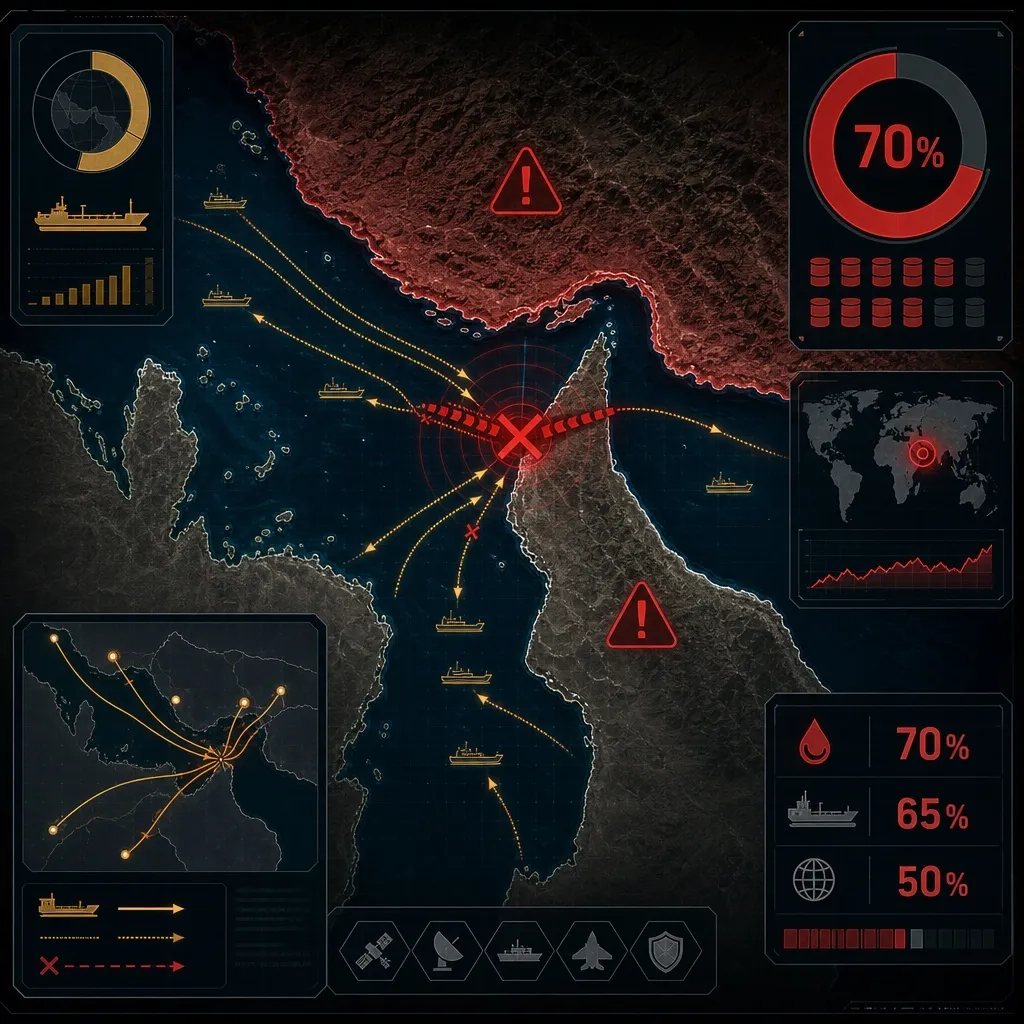
If you're a parent or grandparent, please read this 👆
Ready Nation USA
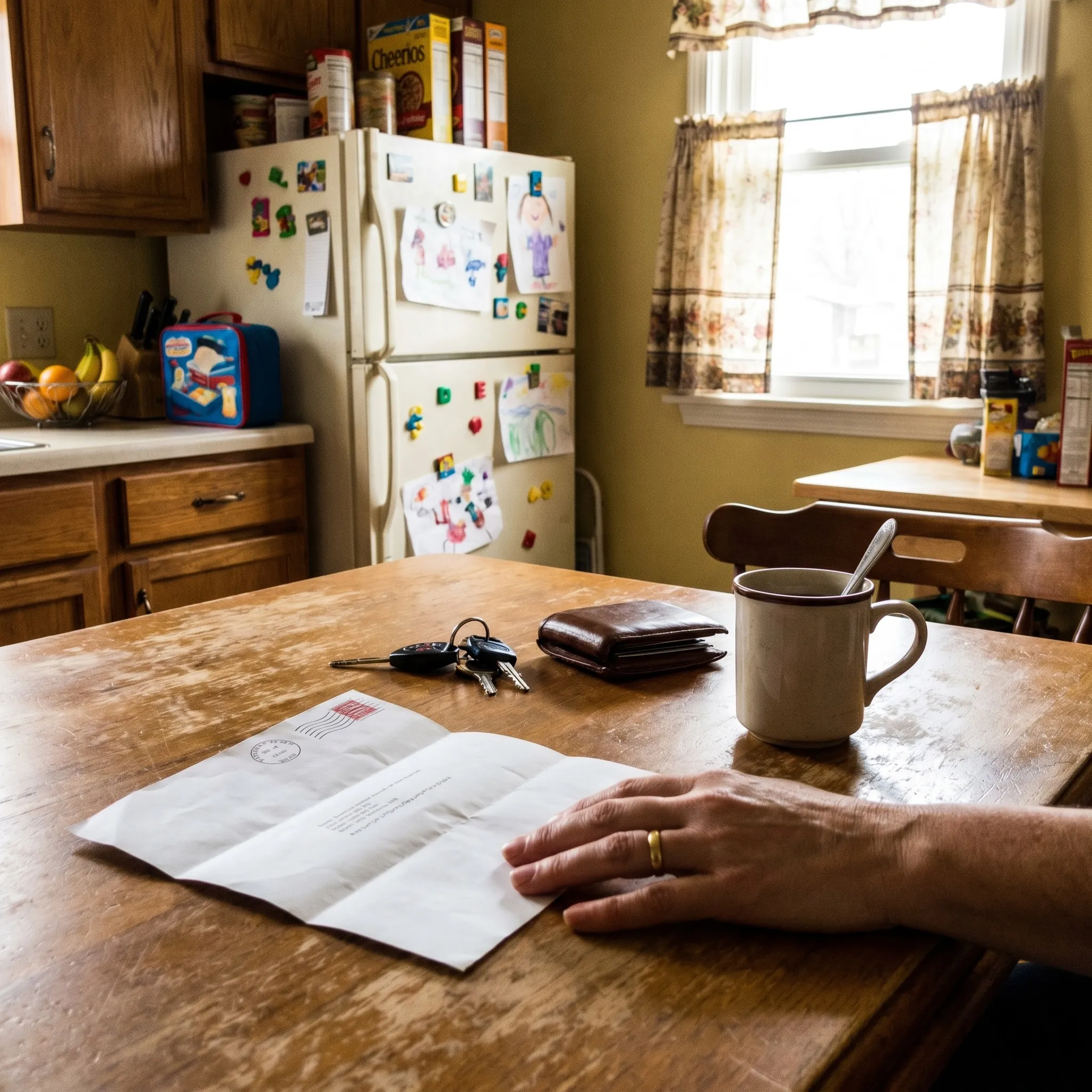
If you're a parent or grandparent, please read this 👆
Ready Nation USA
If you're a parent or grandparent, please read this 👆
Ready Nation USA
Your tap water is one bad day away from gone. This is the backup plan.
Ready Nation USA

 Add to Chrome