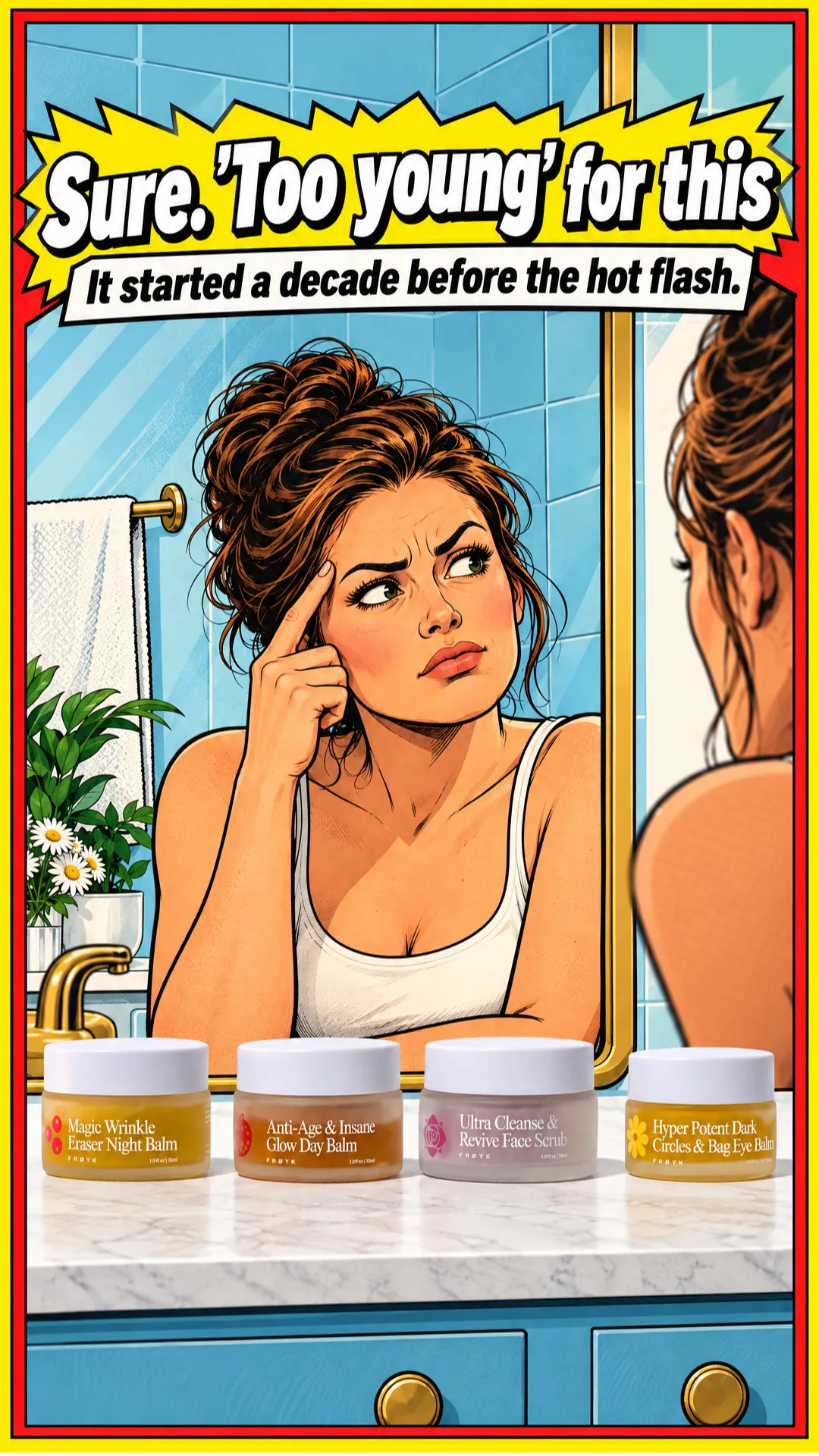
Not aging faster. Just estrogen.
Ad Copy
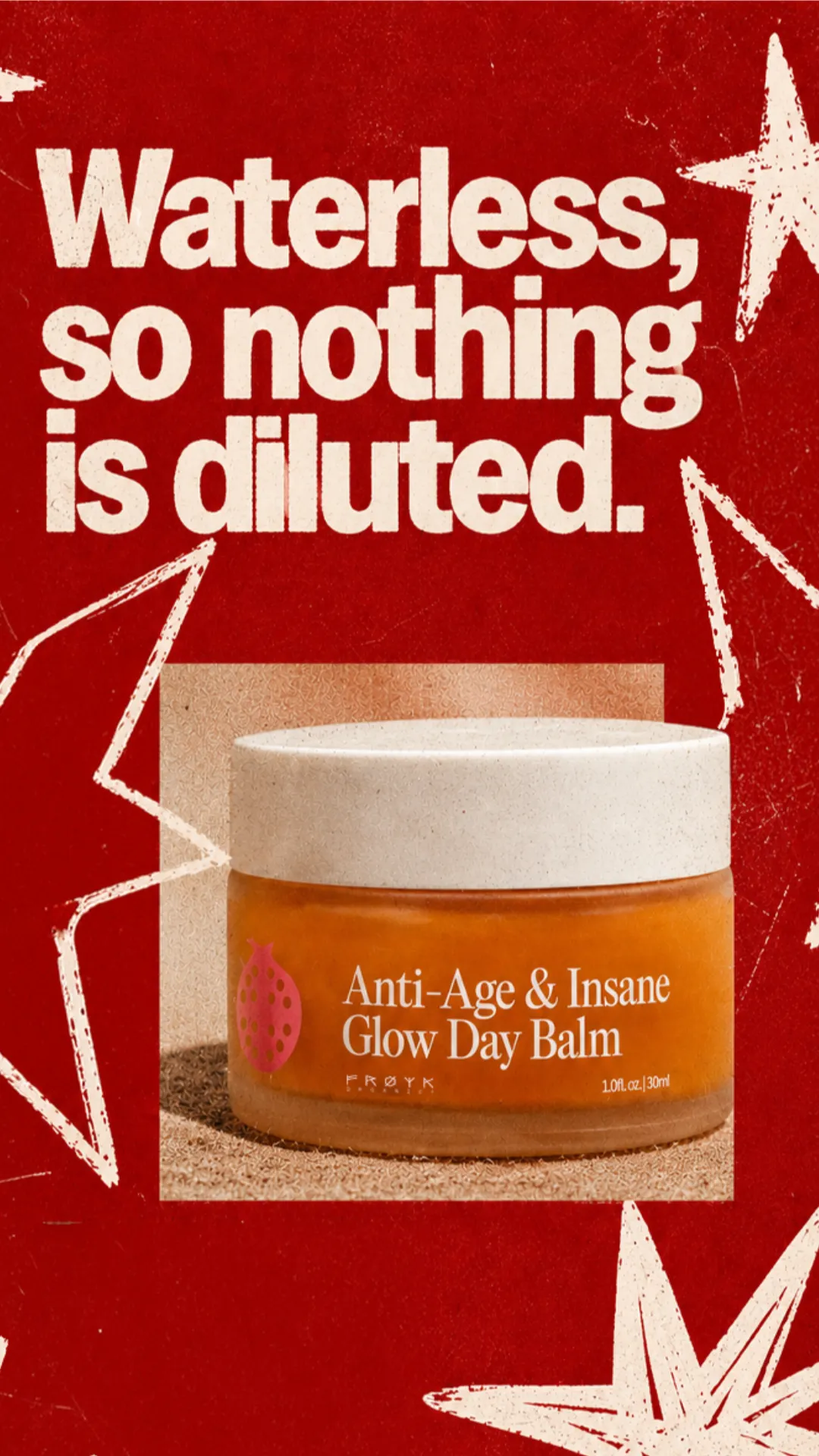
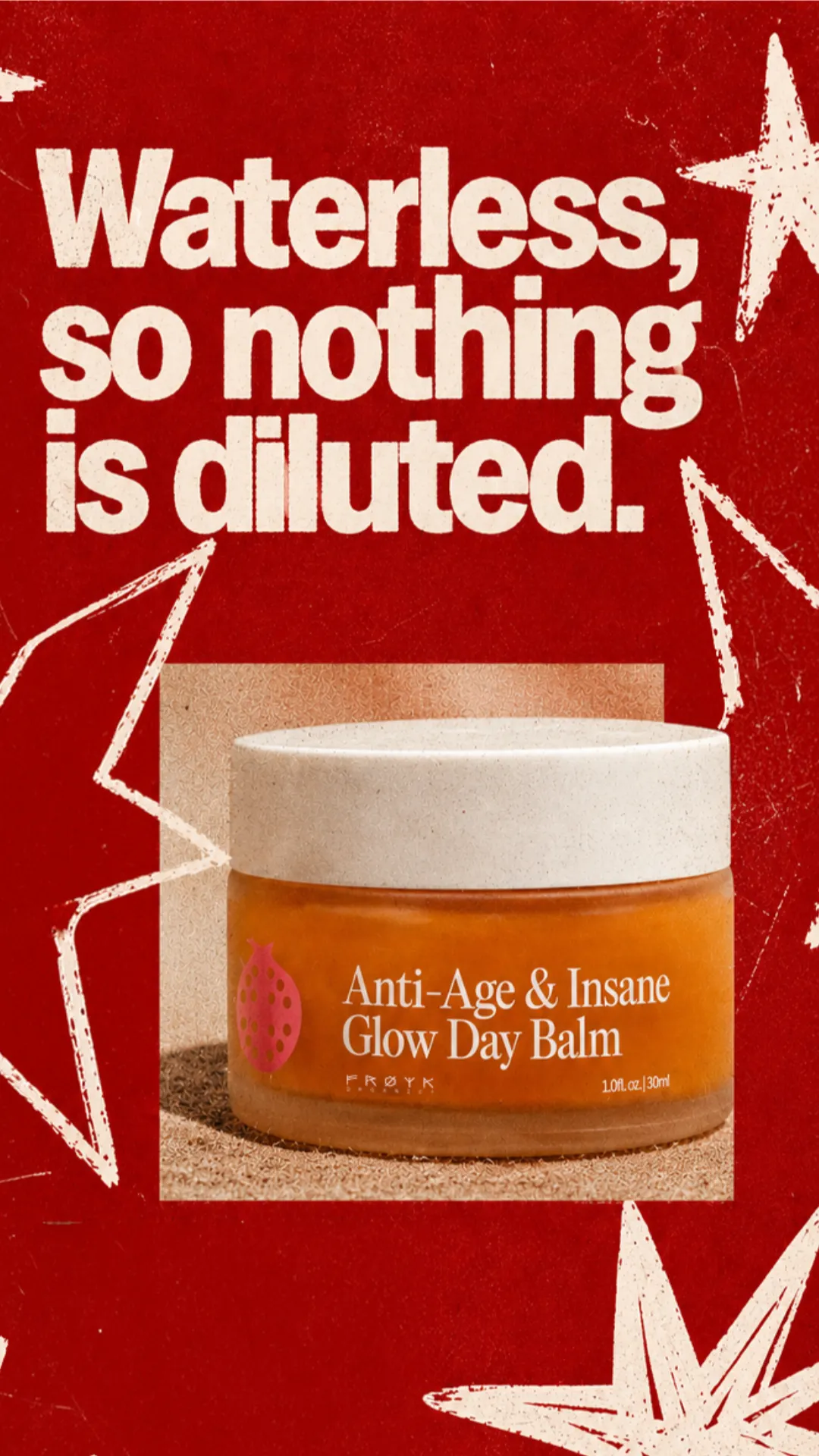
For science, the female body is still, in many ways, a mystery. There are stages of a woman's life that are uncomfortable to talk about. Others are just unknown places. Perimenopause is one of those places: irregular cycles, hormonal shifts, estrogen levels quietly dropping. Some enter this stage as early as her late 30s, taking hold through her 40s for most. But uncertainty is also a chance to rediscover yourself. This isn't about fearing what's coming. It's about preparing for it. Preparing today. Here's the part that rarely gets explained: estrogen doesn't just regulate your cycle. It tells your skin how much ceramide to produce (the natural lipids that keep its barrier closed) and it helps hold the volume in the fat pads (the malar, buccal, and temporal layers) that give your face its shape. When estrogen starts to drop, both start to change, quietly, even before menopause. That's a layer most anti-aging skincare never reaches. Collagen serums and retinols work one floor up, in the dermis. The fat pads sit below that. Arctic arnica is one of the few ingredients shown to work at that exact layer: at just 0.1% concentration, it speeds the growth of those fat cells by 20%, and their maturation into full, plump fat cells by 25%. Rosehip oil, nearly half linoleic acid, and sea buckthorn's Omega-7 match the same fatty acids your barrier is built from, so instead of sitting on top of the gaps, they settle into them. The Complete System for Mature Women’s Skin has precisely all of that: zero water, zero synthetics, pure Arctic herbs for every stage of your skin. 521,833+ women have already made the switch. Try it risk-free for 60 days, love it or your money back. Go to 👉 https://froyaorganics.com/pages/fr-ya-organics-hyper-potent-arctic-balms-for-mature-skin Source: Sakamoto et al. (2023). Arnica montana L. extract containing 6-O-methacryloylhelenalin and 6-O-isobutyrylhelenalin accelerates growth and differentiation of human subcutaneous preadipocytes and leads volumizing of skin. International Journal of Cosmetic Science, 45(1):1–13. DOI: 10.1111/ics.12815. PubMed ID: 35984685.
More from Nordic Wellness Secrets
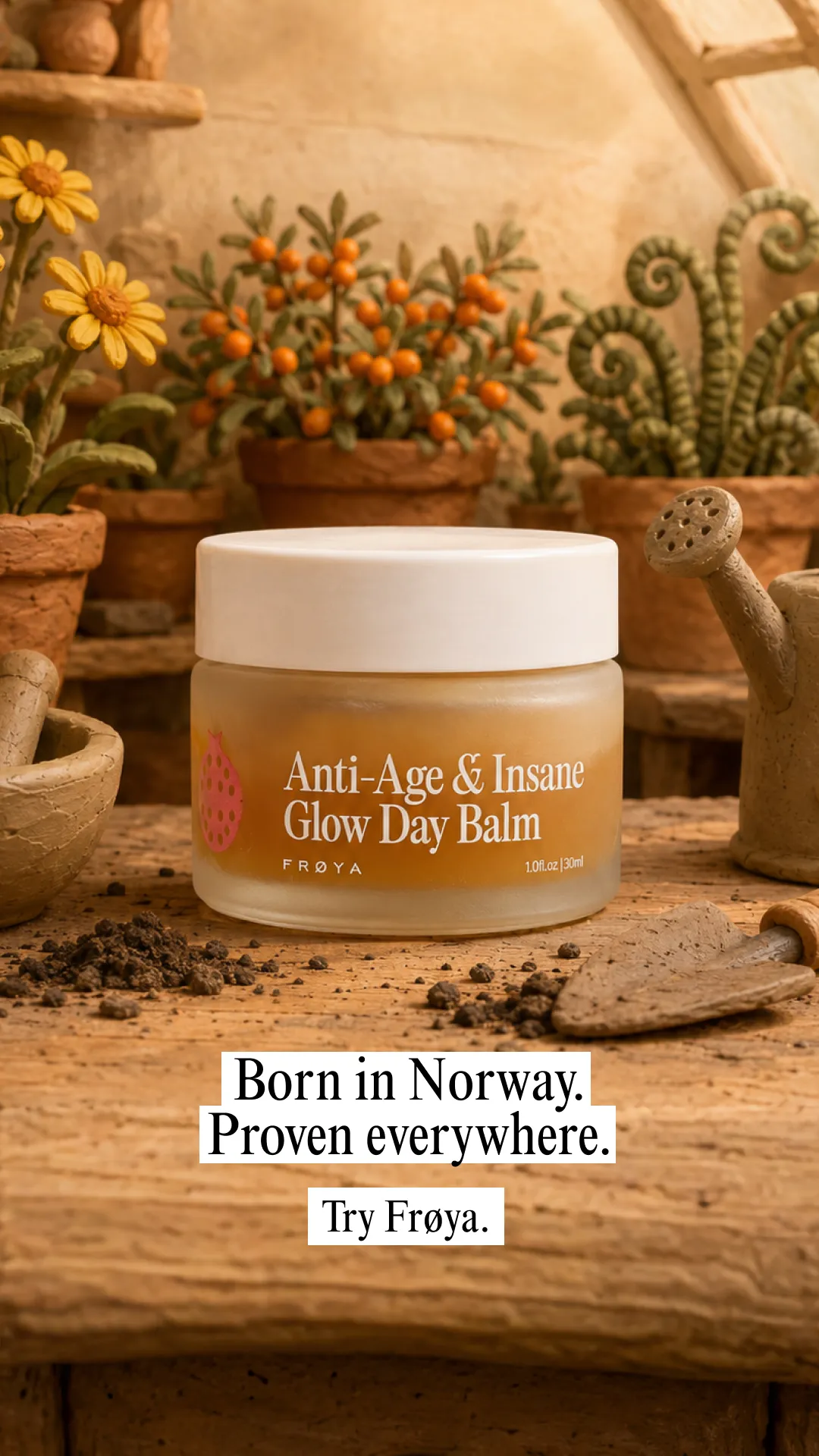
Nordic Women Knew This For Centuries 🌿
Nordic Wellness Secrets
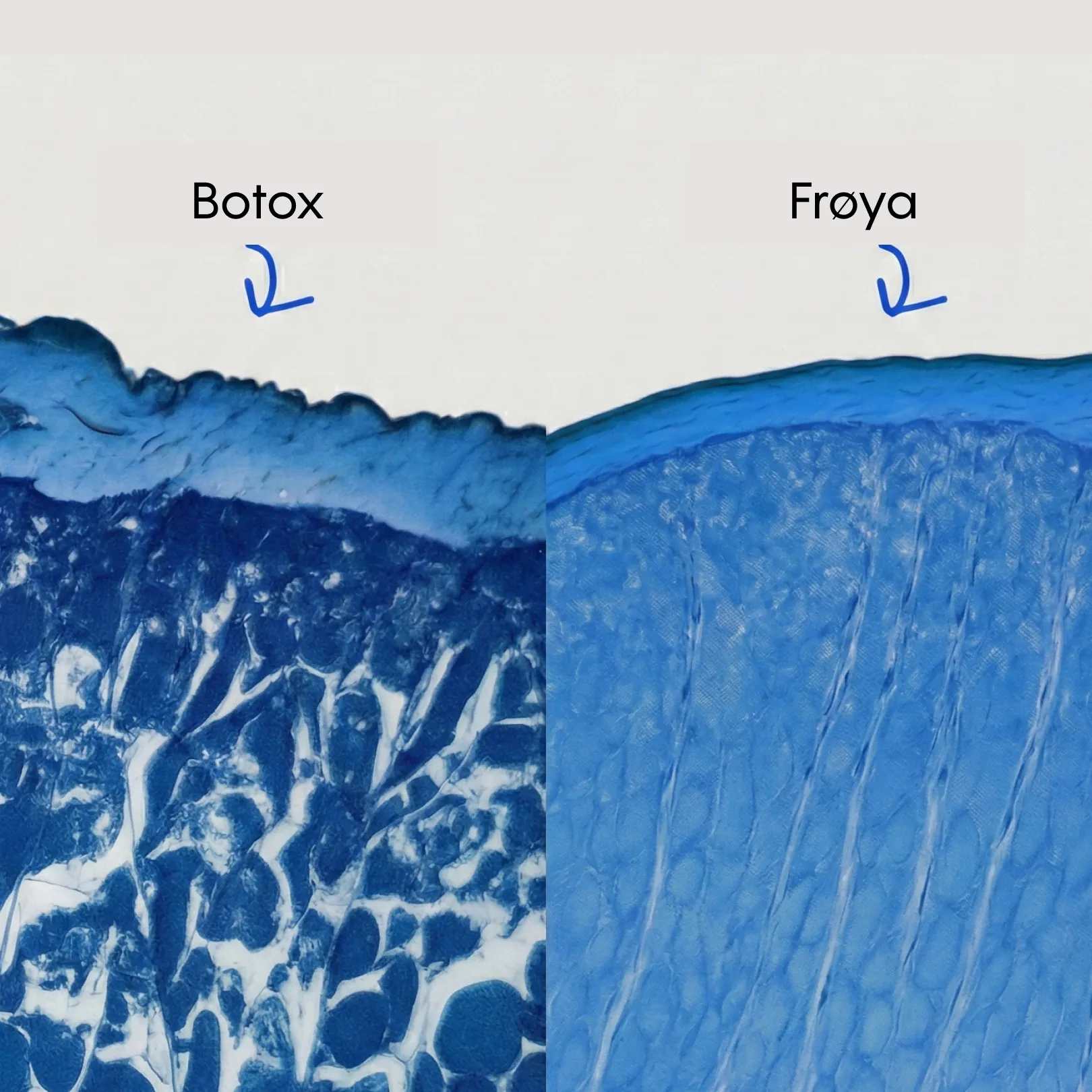
Dermatologists Hide This From You 🤫
Nordic Wellness Secrets
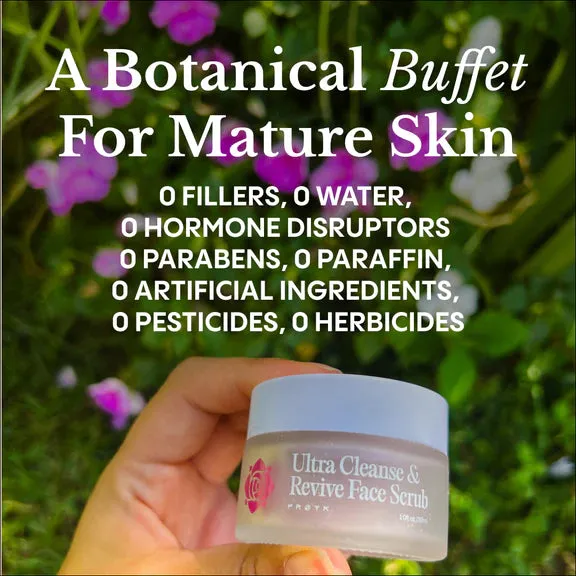
It's Not Falling. It's Shrinking.
Nordic Wellness Secrets
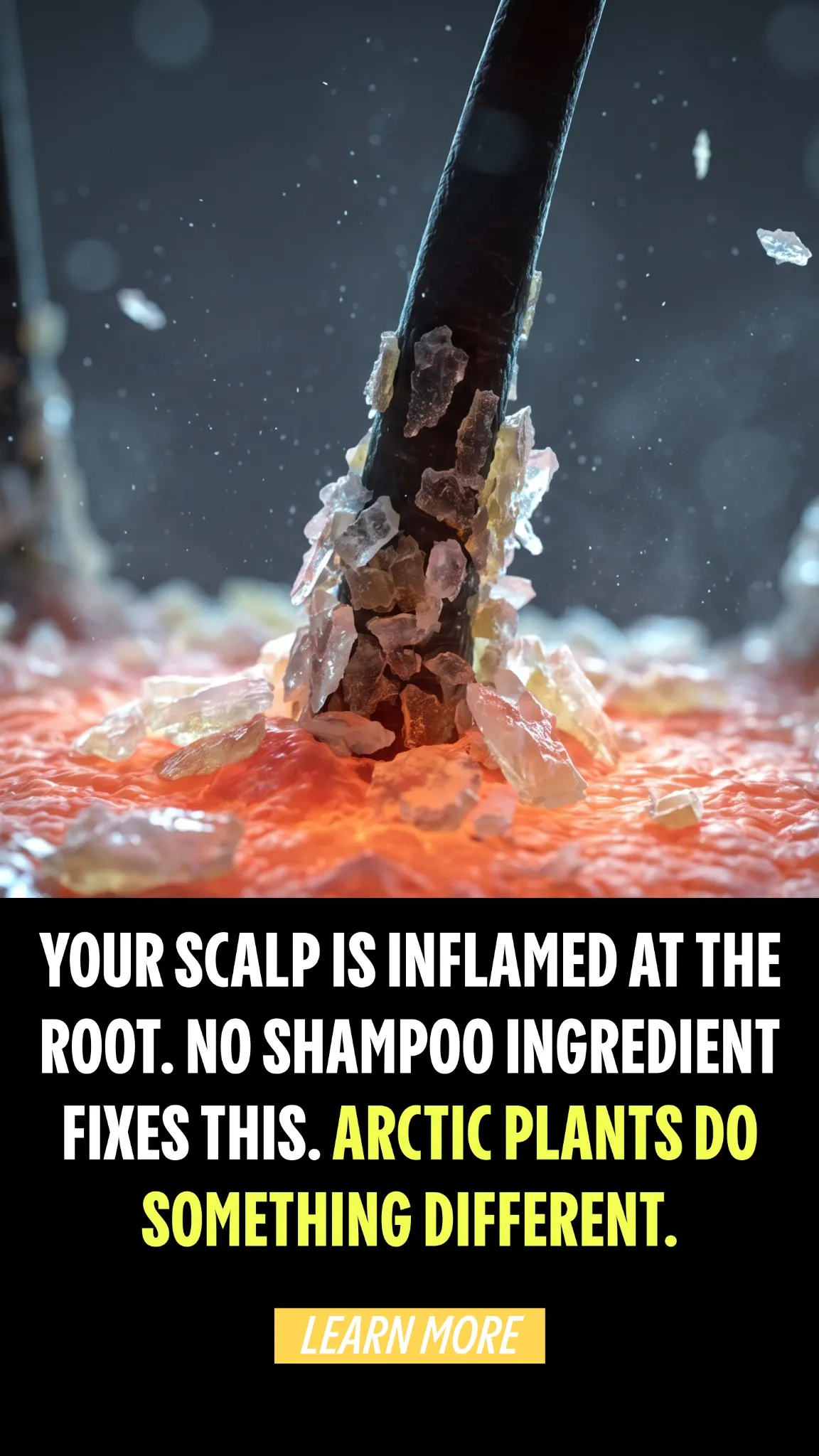
What if the treatment is the problem?
Nordic Wellness Secrets
Sold out 7x🤯
Nordic Wellness Secrets
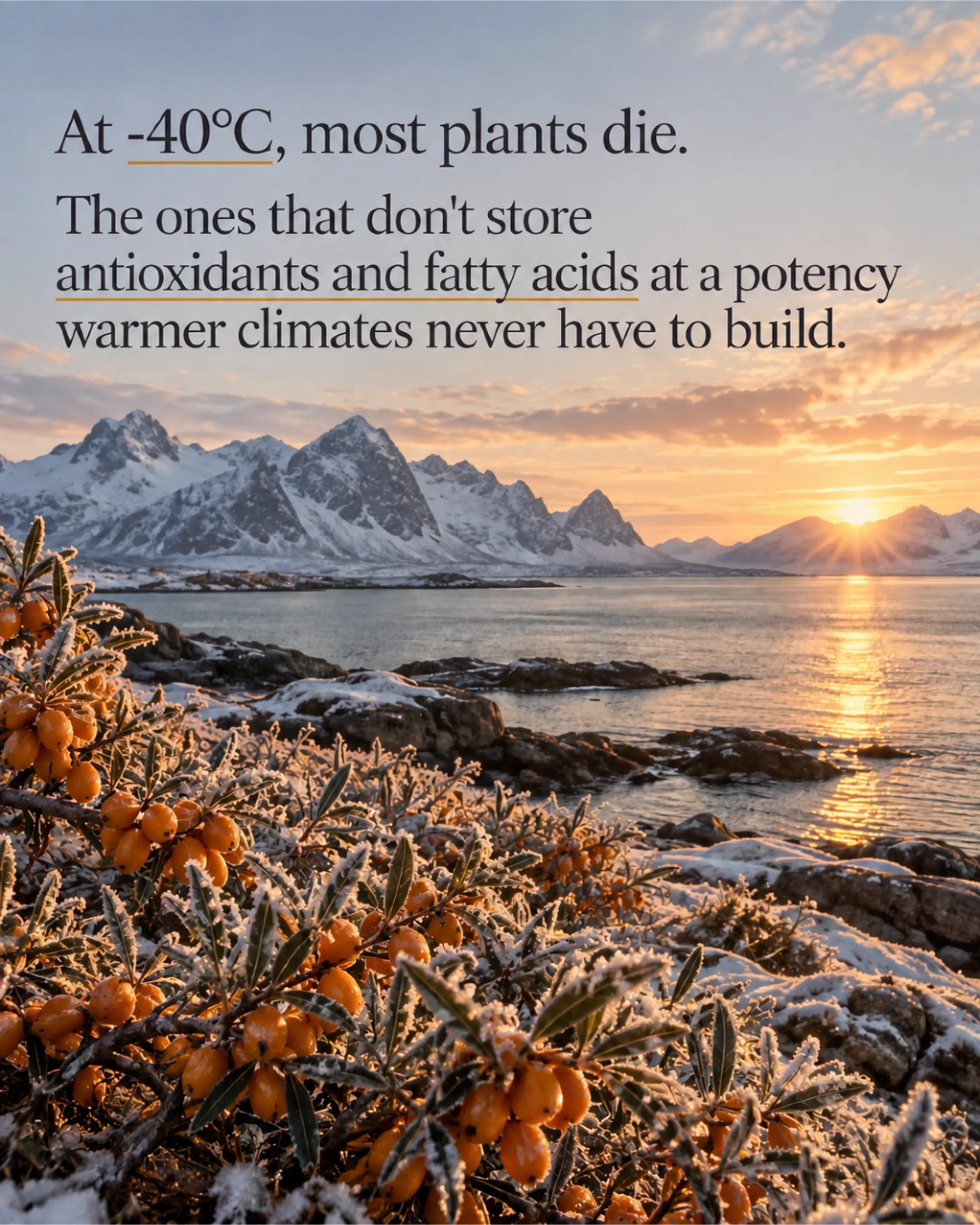
Cold-pressed from Arctic coastlines.
Nordic Wellness Secrets
Up to 60% off + free gifts 🎁
Nordic Wellness Secrets
Up to 60% off + free gifts 🎁
Nordic Wellness Secrets
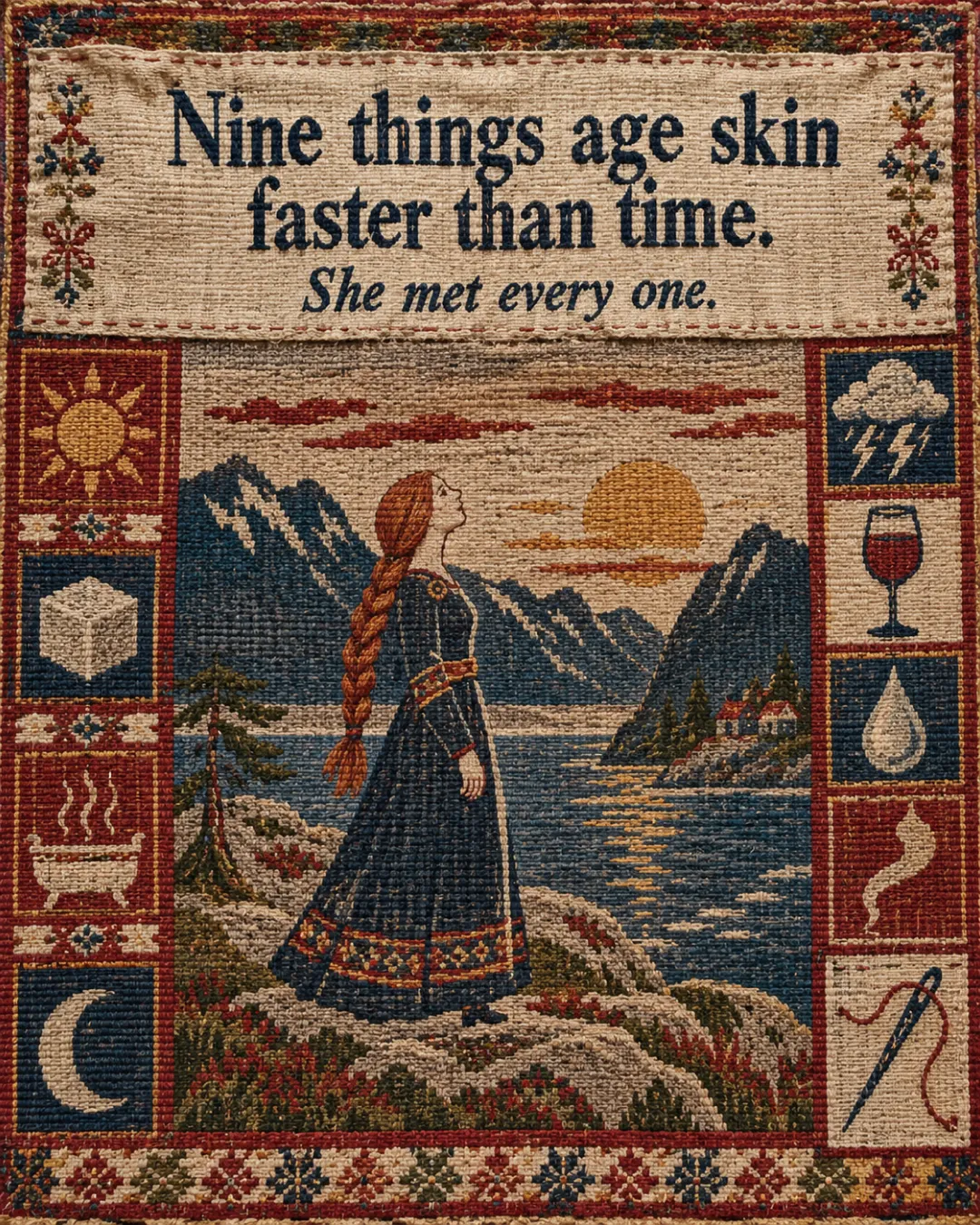
What your skin is missing 🔍
Nordic Wellness Secrets
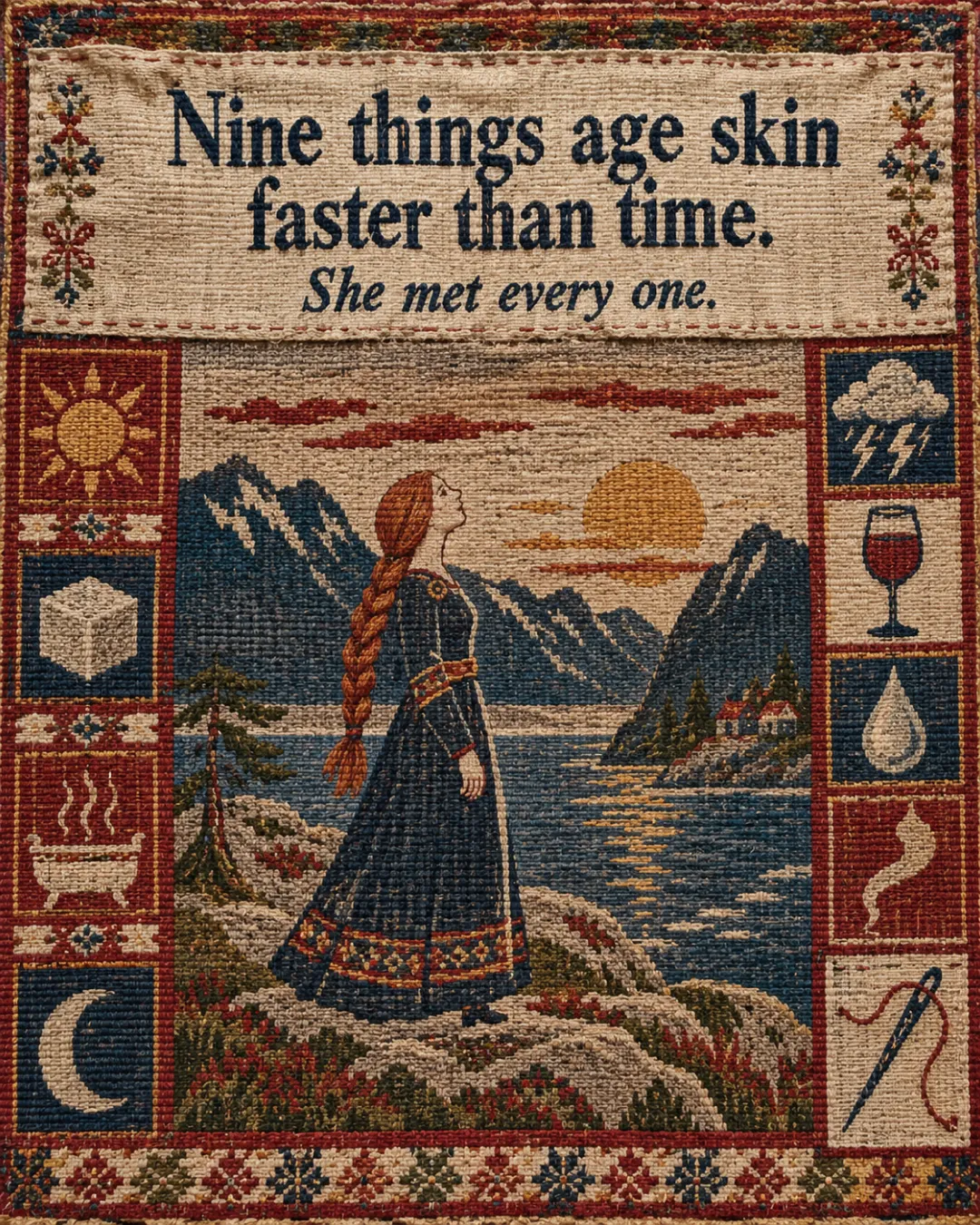
What your skin is missing 🔍
Nordic Wellness Secrets
Your glow isn't gone
Nordic Wellness Secrets
Your glow isn't gone
Nordic Wellness Secrets

 Add to Chrome