I Owe My Life to the Homeless Man at IHOP
Ad Copy
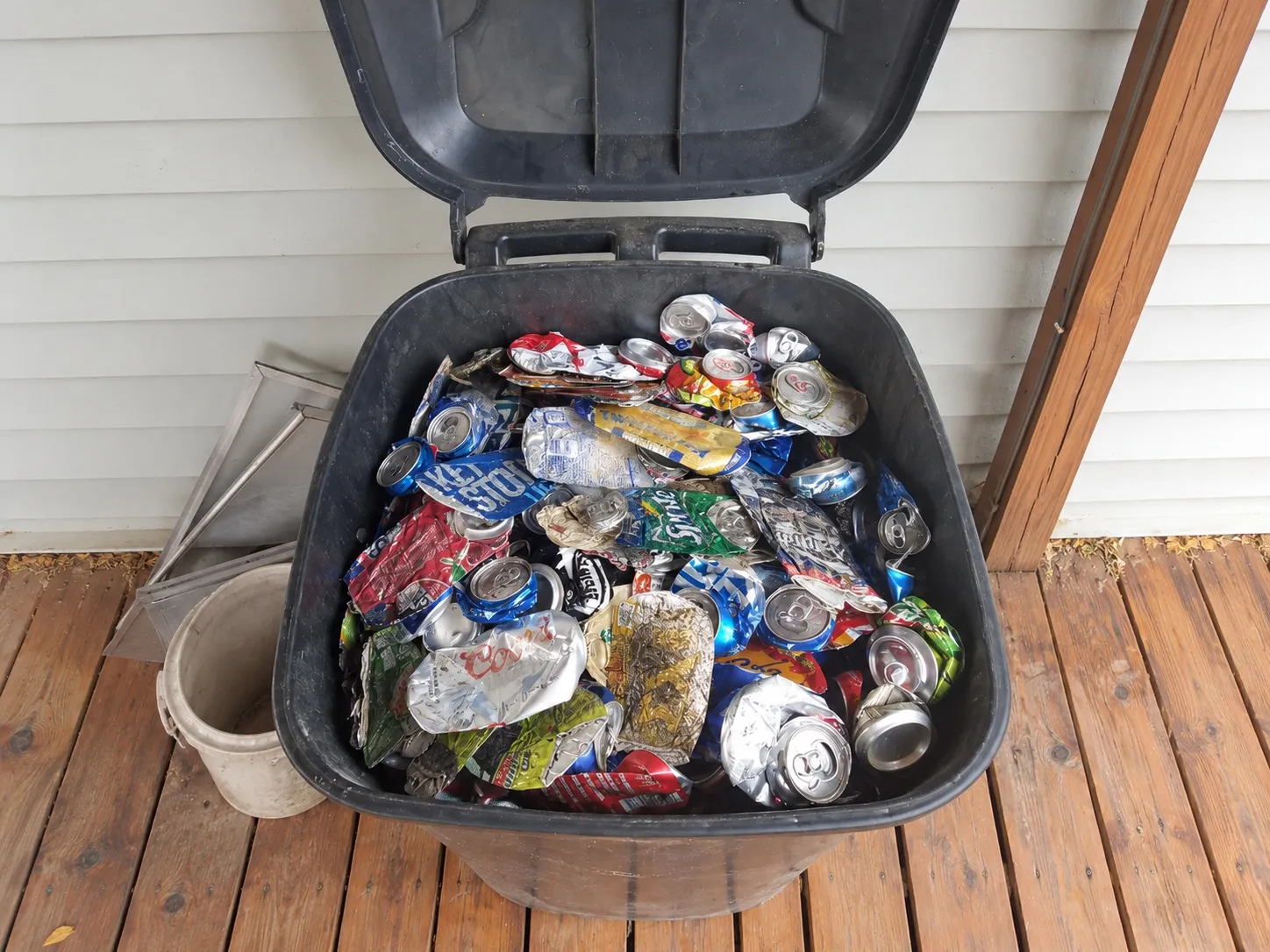
He came in at 1:03 AM. I know because I was looking at the clock over the pie case instead of the short stack I'd ordered. The waitress, Donna, said "Hon, you can't be in here," before the door closed behind him. He said, "I'm not staying. I'm just thanking somebody." And he walked to my booth. Nine hours earlier I'd handed him a twenty and a bottle of water out the window of my truck at the light at Jacksboro Highway and Azle Avenue. I'd seen him at that light eleven times. I'd counted. Once for every appointment I'd driven to Fort Worth for since my liver quit making sense. He held a piece of cardboard every time. It said I DON'T DRINK. I remember thinking, the first time: that's what they all say. Here's where I was at 1:03 that morning, so you understand why I was sitting in an IHOP instead of in my bed. I'm 58. I ran a five-axis mill at the Lockheed plant on the west side for 31 years. Retired at 55 with a pension, a bass boat, and a wife named Carla who still laughs at my jokes after 34 years, which is more than I deserve. Three years ago my enzymes came back high on a routine draw. ALT 92. My doctor asked me how much I drank. Two beers on a Cowboys Sunday. Maybe a third if they were losing, which means a third. He wrote something down. Said we'd recheck in three months. Three months. 108. He asked again how much I drank. Same answer. He sent me to a hepatologist off Camp Bowie. The hepatologist asked how much I drank. Ultrasound. "Some thickening of the bile ducts, nonspecific." Fibrosis scan. 9.8, which he said was more scar than a man my age should have. Hepatitis panel, clean. Iron, clean. Autoimmune, clean. "Cryptogenic," he said. Which I looked up in the parking lot. It means we don't know. Every three months after that, I drove Jacksboro Highway into Fort Worth, sat in a chair, got asked how much I drank, got a number that was worse than the last one, and drove home. ALT 126. Scan 11.4. ALT 140. Scan 13.1. And every time I passed the man with the cardboard sign at the light. What was happening to me by then: A fullness under my right ribs that felt like I'd swallowed a softball. I'd press on it at red lights. Itching. All over. Worst from about midnight to 3. Nothing on the skin. Carla bought new sheets, new detergent, then a different detergent. I itched through all of them. Tired at 2 in the afternoon in a way that put me in the recliner with the TV on and my eyes shut. Nausea at breakfast. I'd made two eggs every morning of my adult life. I stopped. And Carla had started looking at me. Not mean. Worried. But I knew the look. I caught her checking the recycling bin one Tuesday. Counting cans. Thirty-four years and she was counting cans. I never said anything about it. I didn't know how to. The appointment that day, the one before the IHOP, was the one where the hepatologist said the word biopsy. And then he said, "If the biopsy shows what the scan suggests, we should start talking about transplant evaluation. Better to be ahead of it." Ahead of it. I drove home down Jacksboro Highway with that in my head and stopped at the light at Azle Avenue, and there was the man with the sign, and I reached back for the case of water I keep on the floorboard because the hepatologist said hydrate, and I rolled the window down and gave him a bottle and a twenty. He said, "God bless you, sir." I said, "Yeah." I didn't look at him. I was looking at the light. That night the itching started at 11:40. By 12:30 I'd scratched my shins until they bled through my pajama pants. I didn't want to wake Carla. I put on jeans and drove to the only thing open, which is the IHOP on Quebec Street, and ordered a short stack and coffee. And at 1:03, he walked in. Up close he was older than I'd thought. Sixty, maybe. Gray hair cut short like somebody with clippers had done it for him. A Carhartt jacket with the elbows gone. And a wedding ring on a shoelace around his neck, outside his shirt. "You gave me a water today at the light. And a twenty. I wanted to say thank you with my face instead of through a window." I said, "You didn't have to do that." "I know." He stood there. Donna was watching from the register. I don't know why I did it. I think because his eyes were yellow. Not a little. The whites were the color of a manila folder. I knew that color. I'd been watching for it in my own bathroom mirror every morning for a year. I said, "Sit down. Let me buy you breakfast." He sat. His name is Marvin. He's 61. He owned a roofing company in Weatherford for 22 years. Fourteen trucks at the peak. Did the roof on the First Baptist there, which he told me the way a man tells you about his kids. He ordered eggs, scrambled, and a glass of milk. He ate slow. He said that was the first time he'd been inside an IHOP in two years. I asked how long he'd been on the street. "Nineteen months." I asked what happened. And then I sat in that booth until 3:40 in the morning. Here's what Marvin told me. Nine years ago his enzymes came back high on a physical. His doctor asked how much he drank. Marvin's a Baptist deacon. Was. He'd had a beer at a cousin's wedding in 1994 and that was the last one. He said that. The doctor wrote something down. Ultrasound, thickened ducts. Scan, stiff. Hepatitis, clean. Everything clean. Then the hepatologist in Fort Worth, a different one than mine, looked at his scan and said, "Mr. Pruitt, I'm going to be direct. This liver looks like the liver of a man who drinks heavily. I see this pattern every week. I'm not here to judge you. I'm here to help you. But I can't help you if you're not honest with me." Marvin said, "I told him I don't drink. He nodded like a man nods at a drunk." That line went in his chart. "Patient denies alcohol use. Imaging inconsistent with history." Inconsistent with history. He said those three words to me across that table like he was reading them off the inside of his skull. "That's the thing that ended my life, Wade. Not the liver. Those three words." Because his wife read the chart. Her name was Sheila. She read "inconsistent with history" and she went looking. She didn't find bottles, because there weren't any. So she decided he was good at hiding them. His daughter in Aledo sat him down. His son drove in from Lubbock. His pastor came to the house. They told him they loved him. They told him his liver didn't lie and he was lying. They had a place picked out in Kerrville. Thirty days. He said, "I sat in my own living room while four people I'd die for told me I was a drunk, and the only proof they had was a picture of my liver, and I couldn't argue with it, because I'd seen the picture too." He refused Kerrville. Because he wasn't a drunk and he wasn't going to say he was. Sheila moved to the daughter's. The son stopped calling. The pastor said the church would be there when he was ready to be honest. That's what everyone said. When you're ready to be honest. And his liver kept getting worse. The hepatologist said transplant evaluation. Marvin said no, because the transplant committee asks the same question, and he already knew what his chart said about his honesty. So he went looking. A "liver restoration" clinic in Scottsdale. IV glutathione, ozone, a $900 supplement protocol. Eleven days. $18,400. A place outside Tijuana that did coffee enemas and "cellular detox." Two weeks. $11,000, cash. A gastroenterologist in Dallas who said it might be gallstones blocking the ducts and took out his gallbladder. $31,000 after insurance fought it. No stones. Ducts still thick. Stents in the ducts. Twice. They clogged. Milk thistle, NAC, dandelion, a liver "flush" with olive oil. A functional medicine doctor in Southlake who ran $4,000 in tests and put him on 23 supplements. Three years of that. The roofing company went first. Then the trucks. Then the house, because he'd put it up for the Scottsdale money. Then the Silverado. Then a room at a motel on 199 by the week, then by the night, then the strip center behind the IHOP. "Four hundred and some thousand dollars, Wade. I counted it once. I was a man who could afford to not count money, and I counted it, because it was all I had left to count." I asked him if they ever found out what it was. He looked at me for a long time. "Yeah. Four months ago. After all of it." He'd gone to JPS, the county hospital, because he'd had no money for anything else. Spent the night in the ER with his belly full of fluid. A resident saw him. Young guy. Indian name Marvin couldn't pronounce. The resident had done part of his training in a hospital in Thailand, and he looked at Marvin's scan and asked a question nobody had asked in nine years. Not how much do you drink. He asked, "Where do you get your food?" Marvin had roofed in the sun for 22 years. He ate like a horse. Two footlongs from Subway most days, piled with lettuce, tomato, spinach, cucumber, whatever the kid behind the counter would put on. Tacos off the truck that parked at the job site, cilantro and onion out of a tub that sat in the sun. Sushi from the HEB counter on Fridays because it was fast and he could eat it on the tailgate. The resident ordered three stool samples, three different days. Marvin said the first one came back clean and he almost didn't do the second. The second one had eggs. "Liver flukes," Marvin said. "You ever heard of a liver fluke?" I hadn't. He told me what the resident told him. A flatworm about an inch long. Looks like a leaf. You swallow it as a cyst too small to see and too tough to wash off. It rides in on anything grown near water. Watercress. Lettuce. Berries. Herbs. On the water itself, out of a well, a creek, a lake, a hose. On fish out of that lake. Your own stomach acid opens the cyst. The young fluke bores through the wall of your gut, crosses your abdominal cavity, and tunnels into your liver. It spends months chewing tracks through liver tissue until it finds a bile duct. Then it stays. Five to ten years. Some thirty. It feeds on the duct wall. Lays up to twenty thousand eggs a day. The eggs ride the bile back down into the gut and out. Every day it's in there, the liver patches the bite with scar. Irritation, swelling, scar. Again. For a decade. And the picture that makes? Thick ducts. A stiff, scarred liver. "It looks exactly like a drunk's liver on a scan, Wade. Exactly. That's what the resident said. He said in Thailand they'd look at my scan and say worms. Here they look at it and say whiskey." I said, "I fish Lake Worth. Forty years. Crappie, mostly." He didn't say anything. I said, "Carla buys bagged salad. We eat it every night because the doctor said to eat salad." Marvin said, "The lettuce in that bag came out of the Rio Grande Valley or California or Mexico, and that field was irrigated with canal water, and the canal has snails in it, and the snails are where the flukes come from. One exposure is all it takes." Then he told me the part I think about every day now. The resident wrote him a drug. Triclabendazole. One day, two doses. He said it was the right drug for this, and that it should take care of it, and if it didn't, sometimes it takes two rounds. Marvin took it in a shelter bathroom. Two days later he passed them. Flat, brown, leaf-shaped, in a toilet at the Presbyterian Night Shelter. He said he stood there and looked at them for ten minutes and cried, because for the first time in nine years he had proof. He went back to Aledo. Stood on his daughter's porch with a printout of the lab report. She didn't open the screen door. She said, "Daddy, you've had a lot of papers." Six weeks later, recheck at JPS. Eggs again. Second round. Six weeks. Eggs again. The resident said, "We'll try again in a few months." Marvin said, "And I knew. Standing there. I knew that drug was never going to be the end of it, and I was out of time and out of money and out of family." I said, "So why didn't it work?" He pulled the wedding ring on the shoelace out of his shirt and held it while he talked. "I roofed a sale barn in Weatherford in 2009. The vet there, Doc Alvarado, been doing it 40 years. After the second round failed I walked out there. Asked him if he'd ever heard of liver flukes." "He laughed at me. He said son, I've been fighting liver flukes in cattle since before you could drive. Every rancher in this county knows more about flukes than every doctor in Fort Worth." "And he told me why the drug doesn't hold." Here's what the vet told Marvin, and what Marvin told me, across a short stack at 2:50 in the morning. The drug kills the adults in the ducts. It doesn't touch eggs. And a fluke doesn't start in the liver. It starts in the gut. The young ones are in the gut. The eggs land back in the gut every day. You've got worms in two places and you're treating one. So you kill the adults, you feel better for a month, and the eggs hatch and the next batch bores up into the liver, and you're right back. "Doc said in cattle the only thing that holds is something that hits both ends. The gut and the ducts. And he said it has to go in as an oil. Powder dissolves in the stomach and barely makes the gut and never makes bile. Oil gets through to the gut whole. And oil gets pulled out of the blood by the liver and packed into bile, and bile is the only thing that runs down a duct." "He said what you want is wormwood for the adults, black walnut for the young ones in the gut, clove for the eggs, pumpkin seed so they let go instead of dying anchored in the duct and rotting there, and oregano to keep both places hostile to worms after." Marvin let go of the ring. "And then he asked me if I had money for it. And I didn't. Doc gave me a ride back to 199. That was four months ago." I asked, "You know this and you can't do anything about it?" He said, "Wade, I know exactly what's killing me." Donna refilled his milk without being asked. It was 3:12. I paid. I gave him what I had in my wallet, which was $63. I asked him where he slept and he told me, behind the Dollar Tree in the strip center, and I said I'd come find him. I drove home. Carla was asleep. I sat down at the kitchen table at 3:50 AM with my laptop and the softball under my ribs and I did not get up until she came down at 6:30 and asked what in the world I was doing. Here's what I found. Everything Marvin said was in the medical literature. CDC pages. Fasciola hepatica. The tracks through the liver. The thick ducts. The eggs. The three stool samples, because the eggs come out in waves and one sample misses two out of three. The colonoscopy that doesn't reach the small intestine. The scan that "looks like alcoholic liver disease." The drug was in there too. Triclabendazole. Kept at the CDC until 2019. You couldn't fill it at a Walgreens. A doctor had to call Atlanta. Most never did. I found cattle studies, because the vet was right, that's where the real research is. Wormwood. Black walnut. Clove, for the eggs. Pumpkin seed. Oregano. And at 5:20 in the morning I found Holior. Oil softgel, not a powder. Wormwood, black walnut, clove, pumpkin seed, oregano, in the order Marvin had said them to me. A blend for the gut lining they bore through. Eighteen ingredients. The strength of 6,600 milligrams a serving. Three before breakfast. Every single thing a cattle vet in Weatherford had told a homeless man, who told me, at an IHOP, at 3 in the morning. I ordered two bottles. One for me. Carla came down at 6:30. I told her all of it. The sign. The water. Marvin. The eggs. The salad. She sat down. She said, "I counted the cans, Wade." I said, "I know." She put her hand on my arm and didn't take it off for a while. I started on a Thursday. Day two, cramping low in my gut and the softball under my ribs got bigger, not smaller. That's them dying. Day four, I passed them. Both kinds. Small pale ones, and the flat brown leaves. Nine, I counted. I called Carla into the bathroom. She looked. She went and sat on the edge of the bed for a while, pale as a ghost. Day six, I drove to the Dollar Tree on Quebec Street at 7 in the morning with the second bottle and a case of water and found Marvin asleep on flattened boxes. I woke him up. I handed him the bottle. He read the label for a long time. Then he said, "Wormwood's first," and he started laughing and couldn't stop, and I stood in a parking lot with a homeless man laughing at a bottle at 7 AM and I didn't care who saw. Day ten, the softball under my ribs was gone. I pressed on it at a red light and there was nothing to press on. Day fifteen, I slept from 10 to 6. No itching. Carla said she woke up at 2 and listened for me scratching and it was quiet and she lay there and cried. Day twenty-two, two eggs. Scrambled. I ate both. Day forty-four, blood draw. ALT 78. From 140. Day sixty-one, I asked the hepatologist for three stool samples. He said that wasn't standard. I said do it anyway. Second sample had eggs. Not many. I kept taking it. Day ninety, three more samples. Clean. Day one hundred and four, fibrosis scan. 8.2. From 13.1. He looked at the screen for a while. He asked what changed. I told him. He said, "Flukes," like a man hearing a word from a textbook he hadn't opened in twenty years. He said, "Whatever you're doing, keep doing it. We'll push the biopsy." He didn't apologize for three years of asking how much I drank. I didn't need him to. It's been 131 days. I'm back on the lake. I don't eat what I catch. I'm not an idiot. Marvin. Day four on it, he passed them at the shelter. He told me he counted thirty-one. He kept taking it. He's on his second bottle, which I keep in my truck for him. He's gained eleven pounds. His eyes are white. He got on at a roofing crew out of Azle, ground labor, which he says is humbling for a man who had fourteen trucks and which he says like he's happy. Three weeks ago he asked me to drive him to Aledo. He stood on the porch with a JPS lab report that said no ova or parasites, three samples, and a bottle of Holior, and a face that wasn't yellow anymore. She opened the screen door that time. I don't know how that's going to go. He doesn't either. But she opened the door. If your liver numbers are climbing and you don't drink. If your scan says thick ducts, nonspecific. If there's a fullness under your right ribs. If you itch at night. If you’re tired. This is what I take. What Marvin takes. Three before breakfast. https://holior.com/products/wormwood-cc ~ Wade Hollis, Lake Worth, TX P.S. Marvin still stands at the light at Jacksboro and Azle on Sundays, not for money. He hands out bottles of water. He's got a new sign. It says ASK ME ABOUT YOUR LIVER. Two people have. One of them was a hepatologist's nurse on her way home. She asked a lot of questions. She wrote Holior on the back of her hand. P.P.S. If you've been told your liver looks like a drinker's and you're not one, if you've paid for a cleanse or a detox that didn't fix it, this reaches the two places the drug doesn't. Gut and ducts. Oil, not powder. Thirty-day money-back guarantee, which is thirty days more than the $18,400 in Scottsdale came with. https://holior.com/products/wormwood-cc P.P.P.S. Three before breakfast. Cramping day two or three. You'll pass them day four or five. Keep taking it after that, because the eggs hatch in three weeks and you want the next batch to hit clove before it ever reaches your liver. Get three stool samples at day sixty, not one. Then three more at ninety. A county resident and a cattle vet figured it out. It shouldn't have taken a man losing his house and family. P.P.P.P.S. The IHOP receipt from that night is on my fridge. Donna gave me the ticket when I went back to tip her properly. 1:03 AM. $12.84. I look at it every morning while I take three softgels. If you'd driven past that light you would have seen a drunk. I did, eleven times. https://holior.com/products/wormwood-cc
More from Bruce Harold
What If Your Gut Isn’t Slow, It’s Jammed?
Bruce Harold
Bloating, Low Iron, Brain Fog. What If They’re Connected?
Bruce Harold
What If Your Gut Isn’t Slow, It’s Jammed?
Bruce Harold
The Herbal Blend Used for Generations
Bruce Harold
The Herbal Blend Used for Generations
Bruce Harold
What If Your Gut Isn’t Slow, It’s Jammed?
Bruce Harold
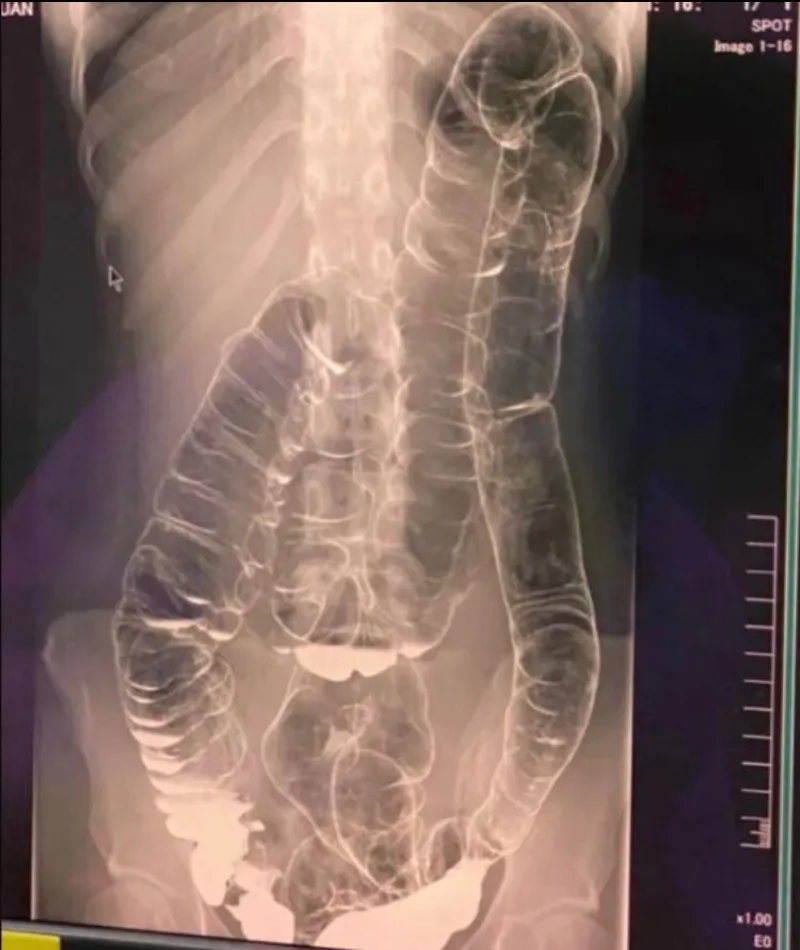
What If Your Gut Isn’t Slow, It’s Jammed?
Bruce Harold

The Hidden Cause Behind Nutrient Depletion
Bruce Harold
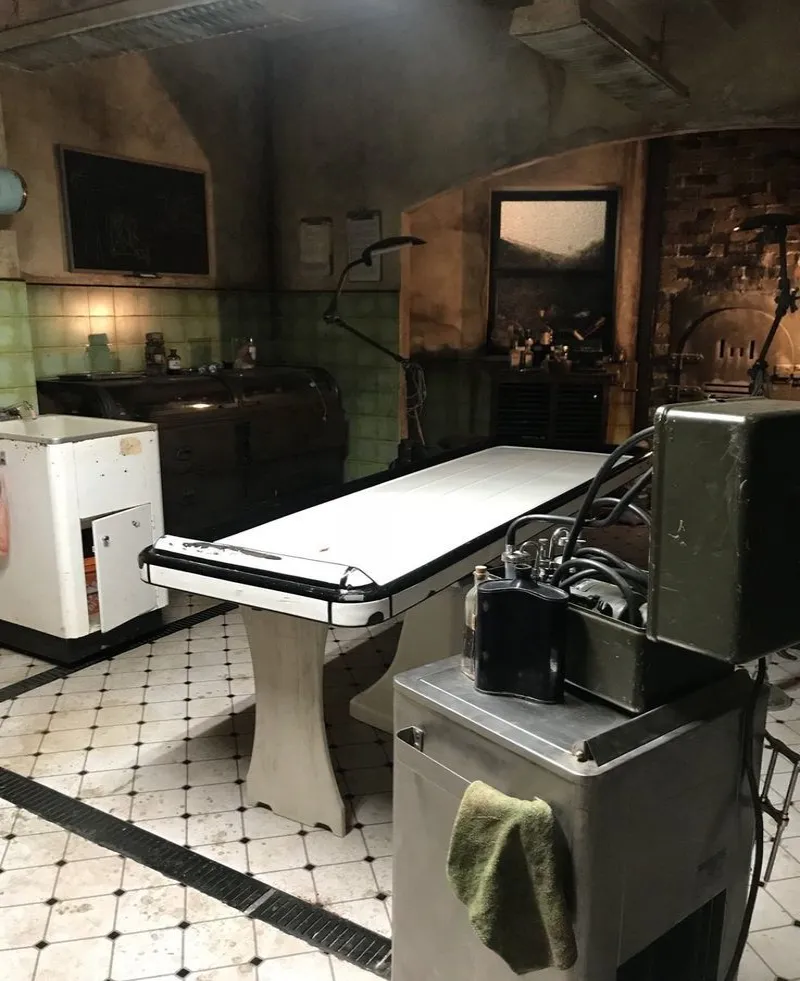
The Thick Gray Coating That Seals Parasites To Your Gut Wall
Bruce Harold
The #1 Parasite Red Flag Most People Ignore
Bruce Harold
The #1 Parasite Red Flag Most People Ignore
Bruce Harold
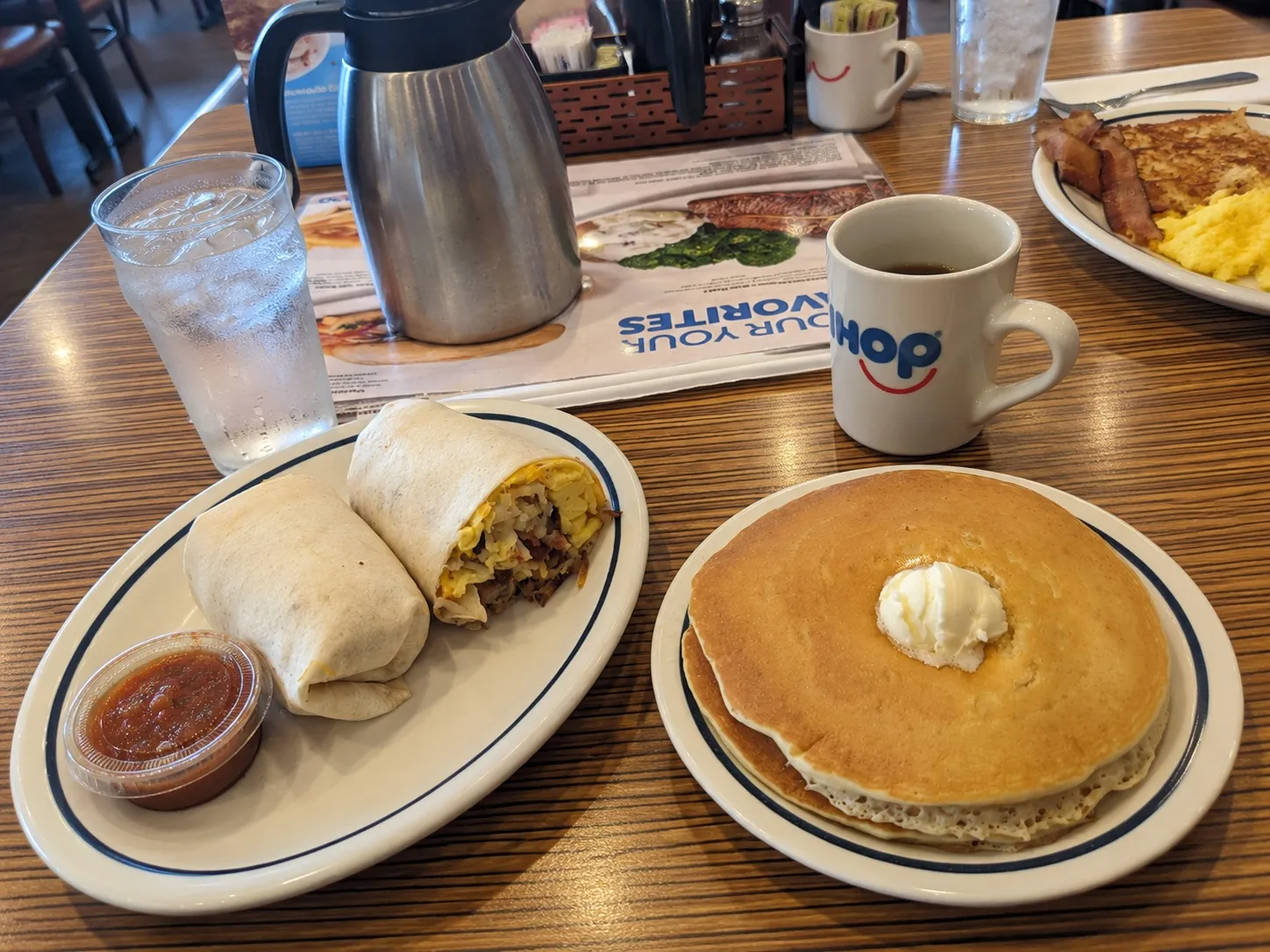
I Owe My Life to the Homeless Man at IHOP
Bruce Harold

 Add to Chrome